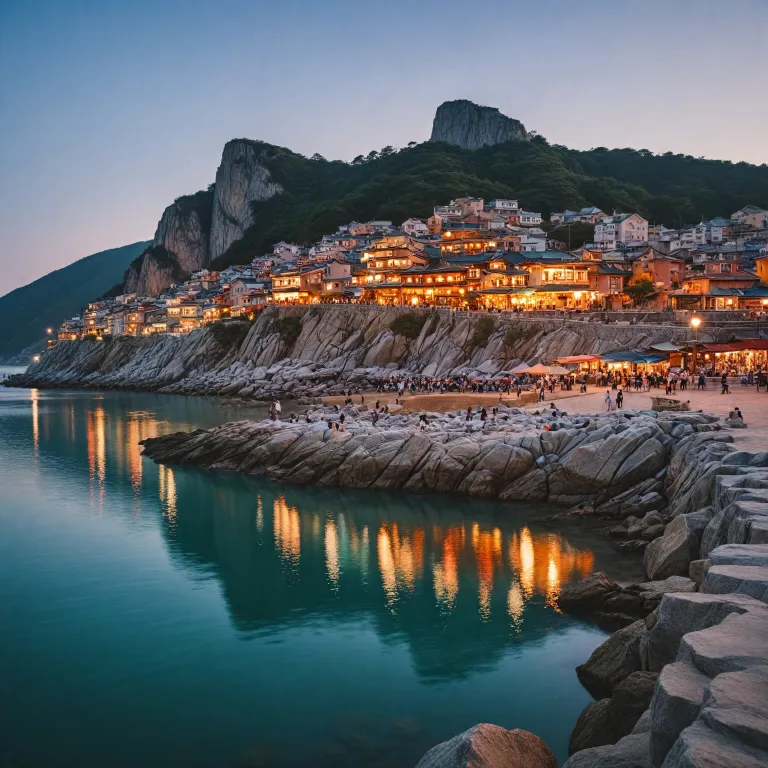
Coastal elegance in Busan: beaches, sky capsules and city views
Busan is a coastal city where urban energy meets serene sea horizons. Along this stretch of south Korea shoreline, you will find refined spaces that pair luxury hotels with easy access to the best things to do in Busan South Korea. Many travelers plan several days Busan stays specifically to balance relaxation, culture and premium comfort.
Start with Haeundae Beach, the city’s most famous beach and a natural anchor for upscale stays. Luxury properties line this area, giving direct access to the sand, curated street food stalls and some of the most iconic Busan attractions along the waterfront. With efficient transport, you can visit other districts while still returning to a calm coastal retreat each evening.
Gwangalli Beach offers a different mood, framed by the illuminated Gwangan Bridge and a slightly quieter coastal rhythm. Here, sea facing rooms provide sweeping views that turn the city into a glittering backdrop at night, and many guests highly recommend reserving upper floors for the best views. The length of Gwangalli Beach, at about 1.4 kilometres, makes it ideal for evening walks between cafés, bars and refined restaurants.
For a playful yet elegant experience, ride the sky capsules that glide above the shoreline between Mipo and Cheongsapo. These colourful cabins offer elevated views of the sea, the city and the surrounding area, and they have quickly become one of the best things for couples and families in Busan South travel plans. Combining a sky capsules ride with a sunset drink at a nearby hotel lounge creates a memorable first evening.
Cultural depth: temples, villages and refined urban escapes
Beyond the beach, Busan reveals a layered Korean culture that rewards curious visitors. Many guests pair coastal relaxation with visits to a temple, a culture village and a traditional market, creating a balanced itinerary of spiritual calm, artistic colour and everyday city life. This mix of things Busan offers is especially appealing for travelers who value authenticity alongside premium comfort.
Haedong Yonggungsa is one of the most striking temples in south Korea, perched dramatically on a rocky coastal cliff. From many vantage points, you enjoy sweeping views of the sea while hearing the sound of waves below, which creates a serene contrast to the dense city streets. Arriving early is one of the best things you can do to experience the temple in a quieter atmosphere.
Gamcheon Culture Village, often simply called the gamcheon culture village, transforms a hillside into a maze of colourful houses, murals and small galleries. This village began as a modest settlement but has evolved into one of the signature Busan attractions, where you can explore narrow lanes, viewpoints and cafés. Many visitors highly recommend allowing enough time to wander slowly, as each turn reveals new art, city views and glimpses of everyday Korean life.
Back in the modern core, Centum City showcases another side of Busan south urban development. Here, a vast department store complex, cinemas and cultural venues sit close to premium hotels that cater to both leisure and business guests. If you are planning refined winter or mountain getaways elsewhere in the country, this is also a convenient place to research an elegant guide to skiing in South Korea’s most refined mountain resorts before heading inland.
Markets, street food and seafood: tasting Busan’s coastal flavour
Food is central to any stay in Busan, and the city’s markets and street food alleys are essential stops. Even when you choose a luxury hotel with acclaimed restaurants, stepping into a traditional market or fish market reveals another dimension of Korean culture. Many visitors say that tasting local dishes in these settings becomes one of their favourite things to do in Busan South Korea.
Jagalchi Fish Market, often referred to simply as Jagalchi fish by locals, is the most famous seafood hub in the city. Inside this vast market, stalls display an impressive variety of fish and shellfish, while upstairs restaurants prepare your selections on the spot. This fish market experience connects the coastal environment, the working harbour and the plate in a very direct way.
Nearby, Gukje Market and surrounding streets form a dense area of stalls selling clothing, household goods and, importantly, street food. Here you can sample tteokbokki, hotteok and other Korean favourites while watching the flow of city life around you. Many travelers highly recommend visiting these markets during weekdays, when the crowds are lighter and you have more time to appreciate the atmosphere.
Throughout Busan south districts, you will find specialised street food zones that stay lively late into the evening. These areas are ideal for casual dinners after a day of sightseeing, especially if you want to contrast fine dining at your hotel with more informal flavours. Balancing market visits, street food tastings and refined hotel meals helps you experience the full spectrum of Busan attractions related to cuisine.
Iconic viewpoints and urban landmarks for memorable days in Busan
Busan’s hilly terrain and coastal setting create numerous vantage points for panoramic views. Planning your days Busan itinerary around a mix of viewpoints, urban landmarks and waterfront walks ensures you experience the city from multiple angles. Many of these sites are easily combined with nearby luxury or premium hotels, making logistics straightforward.
Busan Tower rises above Yongdusan Park, offering sweeping views over the harbour, the dense city grid and the surrounding mountains. From the observation deck, you can trace the line of the coast and identify key areas you have visited or plan to visit, such as Haeundae Beach or Gwangalli Beach. Visiting Busan Tower around sunset is one of the best things for photographers and couples seeking a romantic moment.
For a different perspective, consider a busan cruise that glides along the harbour and out toward the open sea. These cruises showcase the city skyline, the port facilities and the coastal cliffs, and they are particularly striking in the evening when lights reflect on the water. Combining a busan cruise with a late dinner at a nearby hotel restaurant creates a polished end to a busy day.
Elsewhere in the city, a cable car ride up to Geumjeongsan or other elevated points reveals how closely the mountains embrace the urban area. The highest peak of Geumjeongsan reaches about 801.5 metres, giving a sense of the dramatic topography surrounding Busan south districts. Many visitors highly recommend pairing a cable car ascent with a gentle hike and then returning to a spa equipped hotel for restorative relaxation.
Planning refined stays: premium hotels, areas and practical tips
Choosing the right area for your hotel is essential when you are evaluating things to do in Busan South Korea. Haeundae Beach, Gwangalli Beach and the central city each offer distinct atmospheres, and your priorities will determine the best match. Many travelers plan three to five days Busan stays to balance sightseeing, rest and culinary exploration.
Haeundae Beach is ideal if you want direct access to the sea, upscale dining and a lively yet polished nightlife. Gwangalli Beach suits guests who prioritise bridge views, slightly quieter evenings and easy access to both coastal and inner city attractions. The central area around Nampo and Jungang offers proximity to markets, Busan Tower, Jagalchi fish stalls and a dense network of street food alleys.
Families and multi generational groups often look for properties that combine spacious rooms, pools and convenient access to major Busan attractions. For tailored inspiration on elevated family stays across south Korea, you can review this guide to premium hotel offers for families in Korea, which highlights exclusive stays and family friendly amenities. Couples, meanwhile, may focus on spa facilities, sea facing suites and easy access to sky capsules, cable car rides and evening busan cruise departures.
Regardless of your profile, it is wise to use the city’s efficient public transport to move between each area. Buses and subways connect the main districts, while taxis remain relatively affordable for late night returns to your hotel. Checking the weather and planning indoor options, such as a department store visit in Centum City, ensures your days Busan itinerary remains flexible.
Seasonal experiences, sustainable travel and trusted local guidance
Busan welcomes visitors in every season, and each period offers distinct experiences. Spring and autumn bring mild temperatures and clear air, which many consider the best time to visit for balanced city and coastal activities. Summer highlights the beach culture, while winter remains milder than many other parts of south Korea, making sightseeing comfortable.
As interest in sustainable travel grows, more travelers seek ways to enjoy the best things in Busan without placing undue strain on local communities. Choosing hotels that support eco friendly practices, using public transport and respecting local customs at each temple or culture village all contribute positively. Trying local food at markets and small restaurants also helps circulate spending within the city’s neighbourhoods.
Local institutions play a key role in shaping and promoting responsible tourism across the area. Busan Metropolitan City oversees the administration and development of Busan, including its tourist attractions. Korea Tourism Organization promotes tourism in South Korea, providing information on destinations like Busan.
Digital tools now make it easier to plan things Busan itineraries that align with your interests and values. Official tourism websites, mobile navigation applications and multilingual information centres help you move confidently between a beach, a village, a market and a department store. By combining this guidance with your own preferences for luxury, culture and food, you can craft a Busan south journey that feels both refined and deeply connected to Korean life.
Key statistics for planning your stay in Busan
- Annual visitors to Haeundae Beach : approximately 10 000 000 people, underlining its status as one of the most important Busan attractions for both domestic and international travelers.
- Length of Gwangalli Beach : about 1.4 kilometres of coastal promenade, offering ample space for walks, cafés and sea facing hotels in this lively city area.
- Height of Geumjeongsan’s highest peak : around 801.5 metres, providing expansive views over Busan, the surrounding mountains and the south Korea coastline during clear weather.
Essential questions about visiting Busan
What is the best time to visit Busan?
Spring from April to June and autumn from September to November offer pleasant temperatures and vivid natural colours. During these periods, you can comfortably combine beach walks, temple visits and market exploration without extreme heat or cold. Many travelers plan their days Busan itineraries around these seasons to enjoy both outdoor and urban experiences at their best.
Are there any traditional markets in Busan worth visiting?
Yes, several markets in the city are particularly notable for visitors interested in Korean food and everyday culture. Jagalchi Fish Market is renowned for its fresh seafood and on site restaurants, while Gukje Market offers a wide range of goods, snacks and street food options. Including both markets in your list of things to do in Busan South Korea gives you a fuller sense of local life.
Is it easy to get around Busan without knowing Korean?
It is generally straightforward to navigate the city even if you do not speak Korean. Many subway and bus signs are written in English, and announcements on major lines are often multilingual, which helps visitors move between each area and attraction. Translation applications and hotel concierge teams can further assist with directions, restaurant bookings and other practical needs during your stay.