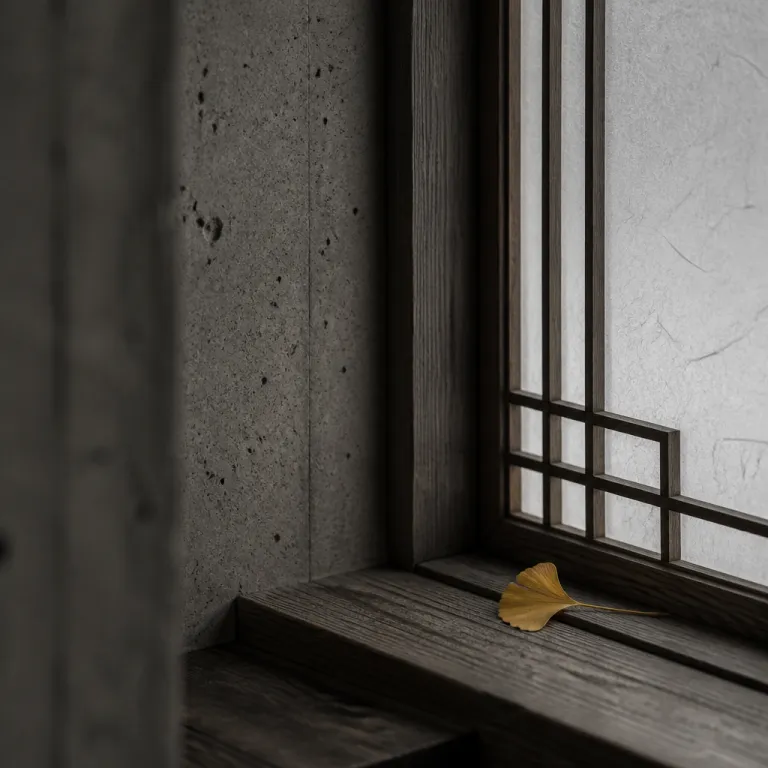
Why Seoul’s new design hotels matter for architecture lovers and families
Seoul is no longer just a convenient stop between flights. The city has become a living gallery where every new design hotel in Seoul turns architecture into a quietly theatrical backdrop for your stay. For families choosing a hotel in Seoul, this shift means that the room is not just a place to sleep but a contemporary space that frames your time in the city.
Across South Korea, architects are using concrete, timber, and glass to create hotels that feel rooted in Korean daily life. This new wave of hotels in Seoul blends hanok village references, brutalist geometry, and soft minimalism, giving travelers a boutique-style stay that feels both local and international. The result is a network of hotels Seoul wide where each room, corridor, and courtyard is designed as a calm pause between subway transfers, palace visits, and late night dinners.
The trend is not abstract; it is visible from Gangnam to Seoul Station. Properties such as The Link Seoul, Hanok Heritage House, and renovated guesthouses like Hillo Jae show how hotel designers collaborate with local artisans to reinterpret traditional Korean houses. City tourism data and hotel listings indicate roughly a dozen to 20 hanok-style hotels in Seoul and more than one million annual visitors to Bukchon Hanok Village, which explains why so many hotel Seoul projects now integrate tiled roofs, courtyards, and stone walls into their design language.
The K Life philosophy behind Seoul’s hotel design
What sets these properties apart is the K Life mindset. Rather than creating sealed-off luxury bubbles, many hotels are located inside real neighborhoods where rentals in Seoul, cafés, and schools share the same streets. Families choosing a design-forward hotel in Seoul can step out of the room and immediately feel the rhythm of the city.
This approach is especially clear in districts like Seongsu, Ikseon-dong, and Euljiro. In Seongsu, industrial warehouses become modern hotels with exposed concrete and double-height spaces, while Ikseon-dong turns hanok village alleys into intimate stays that still respect traditional rooflines. Euljiro, once known mainly for hardware shops, now offers some of the best small design-focused hotels in Seoul, where neon signs and retro interiors echo the area’s history.
For premium families, this means a more authentic but still comfortable stay. You can book hotels in Seoul where the lobby doubles as a neighborhood living room and the café is used by locals during the day. When comparing options, look for family rooms that sleep three or four guests, check whether breakfast is included, and book at least three months ahead for peak summer if you want to secure the best boutique-style properties before they sell out. If you are planning a high-season trip and want to secure the best boutique-style properties before they sell out, consult this guide to where to book in South Korea before the crowds arrive.
Concrete, hanok lines, and light: Seoul’s new visual vocabulary
The core of Seoul’s design-led hotel movement is a precise visual language. Architects in South Korea are not choosing concrete just for fashion; they use it as a calm backdrop for wood, paper, and light. As one design trend summary puts it, “Seoul's hotels blend concrete, hanok, and light.”
In practice, this means that a hotel in Seoul might have a raw concrete façade but a lobby shaped like a contemporary hanok pavilion. Ceiling heights are generous, and natural light is carefully choreographed to fall across stone floors and timber screens at specific times of day. When you walk from your room to breakfast, you feel the transition from shadow to brightness as a deliberate part of the stay, not an accident of construction.
Inside the hotel room, the same principles apply. Families will notice sliding doors that echo hanok village panels, low furniture that encourages floor-level lounging, and built-in storage that keeps the space uncluttered for children. Lighting is layered rather than harsh, with warm bedside lamps, indirect cove lighting, and sometimes a single sculptural pendant that becomes the focal point of the room.
Maison Delano Seoul, Westin Seoul Parnas, and the K Life wave
Maison Delano Seoul in Gangnam is one of the clearest examples of this new vocabulary. Accor’s 2022 press announcement describes a project with 81 rooms and 52 branded residences, with a design inspired by the traditional Korean pavilion and a façade conceived as a vertical park facing the royal tombs of Seonjeongneung. For families, this means a hotel located in Gangnam that offers both privacy and a direct visual link to one of the city’s most atmospheric green spaces.
Westin Seoul Parnas, designed by Cheng Chung Design with uniforms by Korean fashion designer Minju Kim according to brand materials, takes a different approach. Here, the concept leans into a polished, international aesthetic, but details like textiles, ceramics, and artwork reference Korean culture in subtle ways. The result is a Seoul hotel that feels global yet unmistakably rooted in South Korea.
These K Life hotels are not isolated monuments. They are part of a broader movement where properties are integrated into the urban fabric, with easy access to a subway station, local restaurants, and cultural venues. If you are curious how this connects to pop culture tourism, read our analysis of how Seoul hotels are capitalizing on the K Pop travel boom, which shows how design, music, and neighborhood life intersect in today’s hotel Seoul landscape.
District by district: where to book for architecture led stays
Choosing the right area in Seoul is as important as choosing the right hotel. Each district offers a distinct design language, and the best hotels in Seoul use architecture to echo their surroundings. For families planning a design-conscious stay, thinking district by district helps match your expectations with the city’s character.
Gangnam is the obvious starting point for many travelers. Here, Maison Delano Seoul and Westin Seoul Parnas represent the polished, vertical side of the city, with generous rooms, high-floor views, and direct access to major shopping streets. Hotels located in Gangnam often sit within a five- to ten-minute walk of a subway station, making it easy to reach museums, palaces, and even Bukchon Hanok Village without changing lines too many times.
North of the river, the mood shifts. In Jongno and around Ikseon-dong, smaller design-focused hotels reinterpret hanok village layouts with courtyards, low sloping roofs, and intimate alleys. Families who want children to experience traditional Korean architecture without sacrificing modern bathrooms and climate control will find these hotels in Seoul just south of Bukchon particularly appealing, especially when combined with a day trip to the nearby palaces and markets.
From Seongsu to Myeong dong: industrial chic and neon nostalgia
Seongsu has become the city’s industrial chic laboratory. Former factories now house cafés, galleries, and hotels where exposed concrete, steel beams, and double-height spaces create a dramatic backdrop for contemporary furniture. A design-forward hotel here might offer large family rooms with mezzanines, giving parents and children separate sleeping zones within the same space.
Myeong dong, by contrast, leans into neon nostalgia and retail energy. Hotels located near this shopping district often prioritize compact but efficient rooms, with clever storage and soundproofing to keep the city’s noise at bay. For families, the appeal lies in being a short walk from street food stalls, skincare shops, and the subway that connects directly to Seoul Station and the airport express.
Between these poles, Euljiro and the areas around Seoul Station offer a more understated charm. Here, hotels in Seoul often occupy mid-rise buildings with retro façades, updated inside with modern materials and lighting. This is where you might find a palace boutique–inspired property that nods to the nearby imperial palace sites through artwork and color palettes rather than literal replicas.
Inside the rooms: how Korean design serves family travel
For premium families, the real test of any hotel in Seoul is the room. Korean hotel designers understand that parents need both visual calm and practical layouts, especially after a long day navigating the subway map with children. The best hotels in Seoul translate architectural concepts into details that make daily life on the road easier.
Many new properties prioritize flexible space. Sliding partitions allow one large room to become two semi-private zones, so children can sleep while adults read or work. Built-in benches along windows double as luggage platforms and seating, while under-bed drawers keep toys and clothes out of sight, preserving the minimalist feel that defines many of Seoul’s boutique hotels.
Bathrooms are another area where South Korea excels. Expect wet room–style showers with good water pressure, family-friendly storage, and often a separate toilet compartment for privacy. In some hanok-inspired hotels near Bukchon Hanok Village, deep stone tubs sit under skylights, turning bath time into a quiet ritual that contrasts with the energy of the city outside.
Lighting, materials, and the role of technology
Light is treated as a design material in its own right. Architects use clerestory windows, perforated screens, and indirect LED strips to create a gentle gradient from bright public areas to softer private zones. As one design expert explains, “How does light influence hotel design? Enhances ambiance and highlights features.”
Materials are chosen for both durability and tactility. Concrete floors are warmed by timber, textiles, and paper, while stone and ceramic surfaces reference traditional Korean craft. Families staying in hotels in Seoul will notice how these textures make even compact rooms feel more generous, especially when combined with carefully framed views of courtyards, streets, or distant hills.
Technology is present but discreet. Smart controls manage temperature and lighting without overwhelming guests with complicated panels, and many hotels located near business districts offer seamless Wi-Fi and charging options at every bedside. For parents, this balance between analog calm and digital convenience is one of the quiet luxuries of a well-designed hotel room in Seoul.
Local design versus global chains: value, character, and K Life
Travelers often ask whether to choose an international chain or a locally driven design hotel in Seoul. For families who care about architecture and atmosphere, the new Korean properties frequently offer better value in terms of character per square metre. They may not always have the largest loyalty programs, but they deliver a richer sense of place during your stay.
Local hotels in Seoul tend to integrate more deeply with their neighborhoods. A property in Seongsu might collaborate with nearby cafés for breakfast, while a hanok-inspired hotel near Bukchon Hanok Village could host craft workshops with local artisans. This K Life approach turns the hotel into a cultural bridge, giving children and adults alike a tangible connection to South Korea beyond the usual sightseeing circuit.
Price wise, these properties often sit between mid-range chains and ultra-luxury brands. You might pay slightly more than for a standard Seoul hotel near Seoul Station, but you gain thoughtful design, better use of space, and access to experiences that global chains rarely match. For many families, this balance makes a design-focused boutique stay the most rewarding option for a first or second visit.
Case studies: Owall Hotel, palace inspired stays, and rentals in Seoul
Owall Hotel is a good example of how a mid-sized property can feel both intimate and sophisticated. Located in a central district with easy access to a subway station, it offers rooms that combine warm woods, soft textiles, and carefully controlled lighting. Families appreciate the way the layout separates sleeping and living zones without wasting space, making longer stays in Seoul more comfortable.
Elsewhere in the city, palace-inspired properties reinterpret the idea of an imperial palace for contemporary travelers. Rather than copying historical architecture, these palace boutique–style hotels use color, proportion, and landscape design to evoke royal gardens and ceremonial halls. When compared with standard rentals in Seoul, they offer a more curated experience, with services and amenities tailored to families who value both privacy and hospitality.
For travelers who still prefer apartments, design-led rentals in Seoul can complement hotel stays. Some families choose to split their time between a hanok-style rental near Bukchon and a modern hotel in Gangnam, experiencing both sides of the city’s architecture. This hybrid approach works particularly well for longer trips, allowing you to sample different interpretations of Seoul’s contemporary hotel design.
Hidden gems: Seoul Station, jjimjilbang culture, and everyday luxury
Beyond the headline properties, Seoul hides a network of smaller hotels that quietly excel at design. Areas around Seoul Station and in districts south of the river host properties that may not appear on every international list but offer thoughtful architecture and easy transport. For families, staying within a short walk of a major subway station can transform the rhythm of the trip.
These hidden gems often occupy compact urban plots. Architects respond by stacking functions vertically, carving out double-height lobbies, and using light wells to bring daylight into interior corridors. The result is a boutique-style hotel in Seoul where every square metre is carefully considered, from the entrance sequence to the way rooms frame views of the city’s rooftops and rail lines.
Daily life around these hotels is part of the appeal. Children can watch commuters stream through the station, parents can slip out for late night snacks, and everyone can feel the pulse of South Korea’s capital without sacrificing comfort. For many premium families, this blend of convenience and character beats more isolated resort-style stays.
Jjimjilbangs, hanok walks, and how to read the city
Architecture in Seoul is best understood in motion. A morning walk through Bukchon Hanok Village shows how traditional wooden houses step down the hills, while an afternoon in Gangnam reveals the glass and concrete towers that define the modern skyline. Staying in hotels located between these worlds lets you experience both without long transfers.
Evenings are when another layer of Korean design culture appears. Many locals head to jjimjilbangs, the public bathhouses and saunas that shape everyday wellness rituals, and some hotel guests follow their lead. If you want to understand where design hotel staff actually relax after work, our guide to Seoul’s hidden jjimjilbang scene is an essential companion.
Reading the city through its hotels, bathhouses, and streets helps families appreciate the full spectrum of Korean design. From the imperial palace complexes to the smallest palace boutique–inspired lobby, every space tells a story about how South Korea balances heritage and innovation. A well chosen hotel in Seoul becomes your lens on that story, turning each return to your room into a continuation of the day’s exploration.
Key figures: Seoul’s design hotel landscape in numbers
- There are an estimated 15 or so hanok-style hotels in Seoul, based on Seoul Tourism Organization materials and current hotel directories, reflecting a strong demand for traditional architecture within the modern hotel market.
- Bukchon Hanok Village welcomes approximately 1,000,000 visitors per year, according to Seoul Metropolitan Government tourism statistics, which explains why many new hotels reference hanok forms and materials.
- The Link Seoul, Hanok Heritage House, and Hillo Jae are part of an ongoing wave of openings and renovations that focus on integrating concrete, hanok elements, and natural light into hotel design.
- Maison Delano Seoul has been announced with 81 rooms and 52 residences in Gangnam in Accor’s development press release, positioning it as a key player in the high-end design segment facing the royal tombs of Seonjeongneung.
- Westin Seoul Parnas features several hundred rooms designed by Cheng Chung Design, with Minju Kim–designed uniforms cited in brand communications, signaling how global brands are adopting Korean cultural aesthetics and collaborating with local creatives.
FAQ: Seoul’s new wave design hotels
What is a hanok and why does it matter for hotels in Seoul ?
A hanok is a traditional Korean house characterized by wooden beams, tiled roofs, and courtyards. In Seoul’s hotel scene, hanok-inspired design brings these elements into modern structures, creating rooms and public spaces that feel both rooted in history and adapted to contemporary comfort. Families choosing a design hotel in Seoul often appreciate how hanok references add warmth and cultural depth to their experience.
Why do so many new hotels in Seoul use concrete ?
Concrete offers durability and a neutral backdrop for other materials, which is crucial in a dense city like Seoul. Designers pair concrete with wood, stone, and glass to create calm interiors that can withstand heavy use while still feeling refined. As one expert explanation notes, “Why use concrete in design? For durability and modern aesthetics.”
How does light influence the experience of a hotel room in Seoul ?
Light is carefully orchestrated in many of Seoul’s new hotels, from clerestory windows to indirect LED strips. This approach softens transitions between public and private areas, making rooms feel larger and more serene. Thoughtful lighting design is especially valuable for families, helping children wind down after busy days in the city.
Are design focused hotels in Seoul family friendly ?
Many of Seoul’s design-driven properties are explicitly welcoming to families, with flexible room layouts, connecting rooms, and child-friendly amenities. Districts like Gangnam, Seongsu, and Jongno offer hotels located close to parks, museums, and subway lines, which simplifies logistics with children. When booking, look for room descriptions that mention extra space, sofa beds, or sliding partitions.
How can I choose the right neighborhood for my stay in Seoul ?
Gangnam suits families who want polished towers, shopping, and easy airport connections, while Jongno and Ikseon-dong appeal to travelers interested in hanok village streets and palaces. Seongsu and Euljiro are ideal for guests who enjoy industrial chic cafés and creative studios. Using a detailed subway map and checking walking times to the nearest station will help you match your hotel choice to your preferred pace of daily life in South Korea.
References: Seoul Tourism Organization; Seoul Metropolitan Government; Korea Tourism Organization; Accor development press releases; Marriott and Westin brand materials.