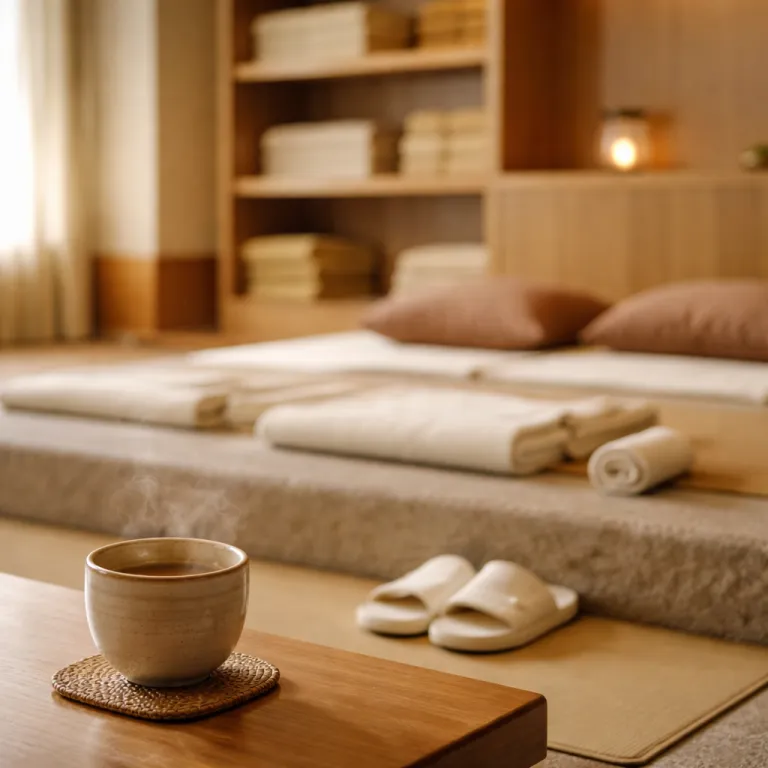
Section 1 – What a jjimjilbang really is in modern Seoul
A jjimjilbang is a traditional Korean bathhouse that functions as a social wellness hub. A typical jjimjilbang experience in Seoul blends hot bathing, dry saunas and relaxed sleeping areas under one roof, creating a ritual that feels both restorative and quietly communal. When you plan a jjimjilbang Seoul hotel spa experience, you are stepping into the everyday rhythm of Korean culture rather than a staged attraction.
Locals use jjimjilbangs as casually as gyms, and many people visit weekly with family or friends. These Korean bathhouse complexes usually include a gender segregated bathing area with pools at different temperatures, powerful showers and a Korean sauna zone with intense heat that softens dead skin before scrubs. Beyond the water, you move into a common area in loose spa uniforms, where sleeping floors, snack bars and television corners turn wellness into an easygoing overnight stay.
For international travel planners, the etiquette matters as much as the facilities. You will shower thoroughly before entering any bathing area, and you leave shoes at the entrance to keep floors clean and calm. Staff provide towels and uniforms, and you follow the flow between saunas, steam rooms and rest areas at your own pace, shaping a jjimjilbang experience that can last a focused two hours or an unhurried full night.
Section 2 – Hotel saunas versus neighborhood jjimjilbangs in South Korea
Luxury hotels in Seoul have refined spa suites, yet their Korean sauna offerings feel different from standalone jjimjilbangs. A high end Korean spa inside a hotel Seoul property usually prioritizes privacy, shorter sessions and treatment rooms, while neighborhood jjimjilbangs in Seoul emphasize communal bathing, shared sleeping areas and long, unstructured time. When you compare both, the most rewarding jjimjilbang Seoul hotel spa experience often combines a polished hotel treatment with at least one visit to a local Korean jjimjilbang.
Take Banyan Tree Club and Spa Seoul, where curated Korean spas integrate traditional Korean heat rooms and oncheon inspired pools into a controlled, design led environment. Guests move from a quiet Korean sauna to a treatment room for ginseng infused massages, echoing the philosophy of luxury hotels with hot springs in Korea that elevate hydrotherapy into a full ritual. Outside the hotel, a short taxi ride brings you to larger jjimjilbangs Korean locals frequent, where the scale, noise and 24 hour rhythm feel closer to a wellness village than a spa annex.
Families planning a trip through South Korea often split their time between both styles. You might book a hotel Seoul stay with a refined seoul spa for structured treatments, then schedule one evening at a Korean bathhouse where children can explore warm pools and playful common areas. This layered approach to Korean culture means your travel memories will include both the polished calm of hotel saunas and the lively, authentic energy of jjimjilbangs Seoul residents rely on every week.
Section 3 – Dragon Hill Spa, Siloam and the jjimjilbangs locals rate
Among the hundreds of jjimjilbangs in Seoul, a few names consistently surface in conversations with Korean spa regulars. Dragon Hill Spa, often shortened to Dragon Hill by locals, is a sprawling complex near Yongsan that combines themed saunas, arcade style entertainment and multiple sleeping floors into a single, almost cinematic jjimjilbang experience. Siloam, close to Seoul Station, feels more compact yet still offers varied bathing areas, steam rooms and a loyal crowd of people who treat it as a second living room.
Dragon Hill leans into spectacle, with kiln like Korean sauna rooms, salt caves and a hill spa terrace that families appreciate for its playful atmosphere. You move from a hot bathing area where attendants offer intense body scrubs that lift dead skin, to a common area lined with mats where sleeping becomes part of the wellness ritual rather than an afterthought. Siloam, by contrast, feels more like a neighborhood Korean jjimjilbang, with stacked floors of saunas and rest zones that reward slow exploration over a single rushed visit.
Women seeking a quieter jjimjilbang in Seoul often add Spa Lei to their trip, as this women only Korean spa balances privacy with the full range of bathing and sauna options. Whether you choose Dragon Hill, Siloam or a smaller Korean bathhouse, the pattern remains similar, because “Bath areas are gender-segregated; common areas are co-ed.” That simple structure makes jjimjilbangs Korean families friendly, and it reassures first time visitors who want cultural immersion without compromising comfort or modesty.
Section 4 – How luxury hotels weave jjimjilbang rituals into a Seoul stay
High end hotels across South Korea increasingly treat jjimjilbang culture as a core part of their wellness narrative. Properties like Four Seasons Hotel Seoul and Banyan Tree Club and Spa Seoul offer Korean sauna circuits, hot and cold bathing areas and meticulous skin treatments that echo the rhythm of a traditional Korean jjimjilbang while maintaining hotel level privacy. For many premium family travelers, this hybrid model becomes the gateway jjimjilbang Seoul hotel spa experience before venturing into larger public complexes.
Inside these hotels, therapists often incorporate Korean culture through ingredients rather than architecture, using red ginseng oils, mugwort compresses and mineral rich salts to mimic the detoxifying effects of long sauna sessions. Parents can book a Korean spa package while children enjoy pools or supervised play areas, then reunite in a calm common area lounge for tea and light snacks. When you extend your trip beyond Seoul to jeju island or other regions in South Korea, you will find resort spas that pair volcanic stone saunas with ocean view resting floors, creating a softer, nature driven version of the Korean bathhouse tradition.
Travelers who want to align their wellness plans with seasonal highlights can pair a jjimjilbang focused itinerary with cherry blossom or autumn foliage routes, using a curated guide to luxury stays in South Korea as a planning base. One useful reference is a detailed article on springtime luxury stays and blossoms, which helps you map spa rich cities and scenic areas in a single journey. By treating jjimjilbangs, hotel spas and regional retreats as one connected wellness circuit, you turn a standard city break into a layered, slow travel experience that respects how Korean people actually relax.
Section 5 – After hours jjimjilbang rituals and practical etiquette for families
Seasoned visitors to Seoul often speak about the late night jjimjilbang visit as the real insider move. After dinner, you slip out of your hotel Seoul base, arrive at a seoul spa such as Dragon Hill or Siloam, and let the city noise fade into the hum of saunas and quiet conversations. This after hours jjimjilbang experience suits jet lagged families, because children can alternate between warm pools, cool bathing areas and padded sleeping floors while adults unwind in steam rooms.
Etiquette remains straightforward, yet it shapes how comfortable your trip will feel. You remove shoes at the entrance, store valuables in lockers and shower thoroughly before entering any bathing area or Korean sauna, respecting both hygiene and Korean culture norms. In the nude zones, people focus on bathing, scrubbing dead skin and moving between pools, while the common area in uniform becomes the place for snacks, screen time and relaxed sleeping without self consciousness.
For wellness focused travel across South Korea, pack a small kit with your preferred skincare, a hairbrush and a light change of clothes for the return to your hotel. Families often plan one jjimjilbang night in Seoul and another near jeju island or a regional city, using local Korean spas as anchors for slower days between sightseeing. When you balance structured hotel treatments, neighborhood jjimjilbangs and perhaps a stay at a property known for elevated hot spring spa experiences for discerning travelers, your jjimjilbangs Seoul hotel spa experience will feel both luxurious and genuinely local.
FAQ
What is a jjimjilbang and how does it differ from a regular spa ?
A jjimjilbang is a traditional Korean bathhouse offering various spa services, including hot and cold pools, multiple saunas, steam rooms and large common sleeping areas. Unlike a regular spa, a jjimjilbang in Seoul usually operates 24 hours, welcomes families and encourages long, unstructured stays that combine bathing, resting and socializing. Hotel spas in South Korea tend to be more private and treatment focused, while jjimjilbangs function as everyday wellness spaces for local people.
Are jjimjilbangs suitable for families with children ?
Many jjimjilbangs in Seoul and across South Korea are designed with families in mind, offering shallow pools, warm saunas and spacious common areas where children can rest or play quietly. Because bathing zones are gender segregated, one adult will accompany each child into the appropriate bathing area, then everyone reunites in the shared floors for snacks and sleeping. Parents should choose well known Korean jjimjilbang venues such as Dragon Hill or Siloam, where facilities are extensive and staff are used to guiding first time visitors.
Can I sleep overnight in a jjimjilbang during my trip ?
Yes, many jjimjilbangs in Seoul and other parts of South Korea provide simple sleeping areas where guests can stay overnight on heated floors or reclining chairs. This can be a practical option for late arrivals, early departures or budget conscious segments of a luxury trip when you prefer to allocate more spending to hotel nights in other areas. While comfort is basic compared with a hotel Seoul room, the experience of sleeping among local people in a Korean bathhouse can be a memorable cultural highlight.
What should I bring to a jjimjilbang in Seoul ?
Most jjimjilbangs Korean travelers use provide towels, uniforms and basic toiletries, so you only need your own skincare, hairbrush and any specific products you prefer. It is wise to bring a water bottle to stay hydrated between saunas and steam rooms, as well as a small pouch for locker keys and phone. For families, a simple change of clothes for the return to your hotel and a light snack for children can make the jjimjilbang Seoul hotel spa experience smoother.
How much does a jjimjilbang visit usually cost in South Korea ?
Entry to most jjimjilbangs in Seoul is typically priced in an accessible range, often comparable to a casual restaurant meal rather than a luxury spa treatment. The base fee usually covers access to bathing areas, saunas, steam rooms and common sleeping floors, while extras such as body scrubs or massages are charged separately. Compared with hotel spa menus in South Korea, jjimjilbang pricing allows you to extend your stay for many hours, making it a high value wellness experience within a premium travel itinerary.