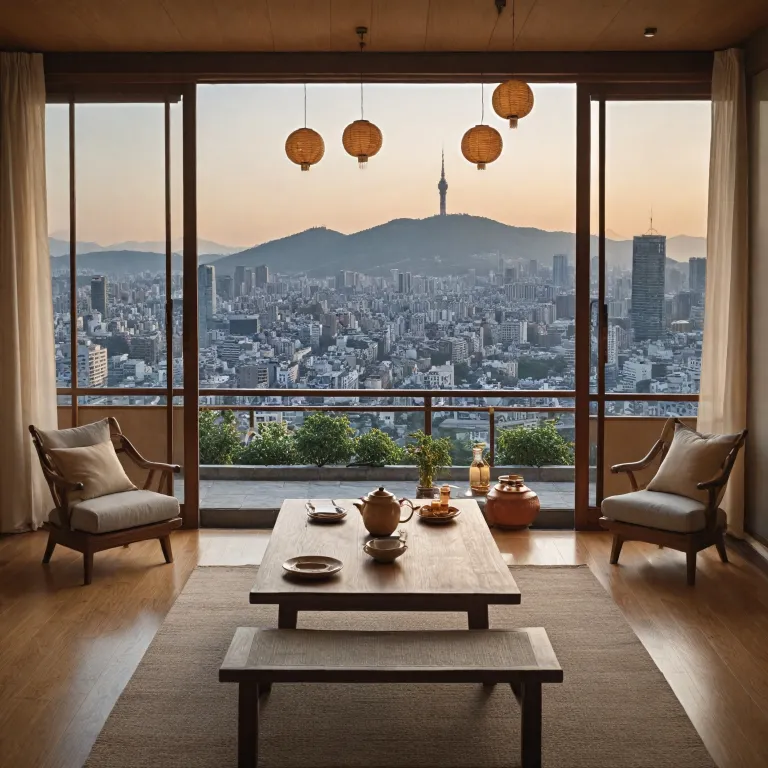
Choosing how many days in Seoul for a refined first stay
Many travelers ask how many days in Seoul they need for a meaningful stay. For a first visit to the city, three to five days in Seoul usually balance depth, comfort, and realistic time constraints. Luxury guests often extend their time to a full week to slow the pace and enjoy premium hotel services.
When planning how many days in Seoul you need, think in layers of experience rather than a checklist of attractions. A three day stay lets you see a royal palace, a hanok village, and one major shopping street, while five days open space for a curated market tour and a relaxed afternoon in a park. The official tourism guidance suggests a period of three to seven days, which aligns well with most premium and luxury itineraries.
Seoul is a city where traditional Korean heritage and cutting edge design coexist in the same district. In a short time you can walk from Gyeongbokgung Palace to Bukchon Hanok Village, then end the day with contemporary art and fine food in a nearby neighborhood. This density of experiences means even a limited number of days in Seoul can feel rich, provided your hotel location and transfers are planned with care.
For luxury and premium hotel booking in South Korea, the length of stay directly shapes your choice of property. Guests staying only one day or two days in Seoul often prefer central city hotels in Jung gu or Jongno gu to minimize travel time. Those with more days in South Korea can split their time between a riverside retreat near the Han River and an urban address close to a palace or hanok village.
Seoul Metropolitan Government and the Korea Tourism Organization both emphasize that Seoul is a vibrant city offering a rich blend of historical sites, modern attractions, and cultural experiences. This official positioning supports the idea that your time in the city should not be rushed. When you ask how many days in Seoul are ideal, consider not only the number of sights, but also the quality of rest and service you expect from a luxury hotel in Korea.
Designing a luxury seoul itinerary from three to seven days
Once you have decided how many days in Seoul you can spare, the next step is shaping a seoul itinerary that reflects your travel style. With three days in Seoul, focus on the essentials of South Korea’s capital city, combining one palace, one hanok village, and one major shopping or food district. With five to seven days in Seoul, you can add a day trip beyond the city and more time for spa and wellness in your hotel.
On the first day, start with Gyeongbokgung Palace in the morning, when the light is soft and crowds are lighter. From there, walk to Bukchon Hanok Village and the nearby Bukchon hanok streets, where traditional Korean houses contrast with the modern skyline of Seoul. In the afternoon, head to Insadong or Ikseon dong for tea houses, galleries, and refined street food that introduce you gently to Korean flavors.
On the second day, many visitors dedicate time to Myeongdong, one of the most popular shopping areas in the city. Here you can combine a market tour style stroll with skincare boutiques, department stores, and casual food stalls serving some of the best quick bites in Seoul. Later, ride the cable car up N Seoul Tower for sweeping views of South Korea’s capital, then return to your hotel for a late dinner.
By the third day, your seoul itinerary can slow down with a visit to Changdeokgung Palace and its famous Secret Garden. The palace grounds and the Secret Garden offer a calm park like setting within the city, ideal for guests who value quiet time and measured pacing. If you are planning a refined stay around the weather, consult guidance on planning a refined stay around the weather in South Korea to align your days in Seoul with the best seasons.
With more days in Seoul, you can add flexible time for hotel spa treatments, private guided tours, or curated day trips. A five day seoul itinerary might include a half day in Seoul Forest, an evening by the Han River, and a night market visit for late food and people watching. When you extend your time to a full week in Korea, you can comfortably add a day trip to Nami Island or another region, returning to your luxury base in the city each night.
Balancing heritage, food, and shopping within your available days
Understanding how many days in Seoul you need also depends on how you balance heritage, food, and shopping. Some travelers devote almost every day to palaces and museums, while others prioritize markets, street experiences, and contemporary culture. In a luxury context, the best itineraries weave these elements together so each day in the city feels varied yet unhurried.
For heritage, plan at least one full day across Gyeongbokgung Palace, Changdeokgung Palace, and a hanok village. Bukchon Hanok Village and the smaller lanes of dong hanok areas show how traditional Korean architecture still shapes daily life in Seoul. If you have more days in Seoul, consider returning at different times of day to see how the light and atmosphere change in each village and palace courtyard.
Food is central to any refined stay in South Korea, and Seoul offers everything from Michelin starred dining to humble market stalls. Dedicate one evening to a guided market tour that includes a night market, where you can taste tteokbokki, hotteok, and other popular snacks alongside locals. Myeongdong, Ikseon dong, and several central districts each have their own style of street food, so spread your visits across multiple days in Seoul to compare.
Shopping focused guests often ask how many days in Seoul they should reserve purely for retail. For premium fashion, beauty, and lifestyle brands, one day in Myeongdong and another in Gangnam or Apgujeong usually works well. If your time in the city is short, combine a palace visit in the morning with an afternoon of shopping, then end the day with a relaxed dinner near your hotel.
Nature and open spaces also deserve a place in your seoul itinerary, especially if you are staying in the city for several days. Seoul Forest offers walking paths, art installations, and a park like environment that contrasts with the dense city streets. The Han River, with its riverside parks and occasional suspension bridge crossings, provides another way to spend time outdoors without leaving Seoul.
Integrating luxury and premium hotels into your seoul itinerary
For travelers focused on luxury and premium hotel booking in South Korea, the question of how many days in Seoul becomes a question of how to maximize comfort and service. A three day stay might emphasize a central city hotel with fast access to a palace, a hanok village, and a major market. A longer stay of five to seven days in Seoul allows you to choose a property with extensive spa facilities, river views, or direct park access.
Location is crucial when you plan your seoul itinerary around a high end hotel. Staying near Gyeongbokgung Palace or Bukchon Hanok Village places you close to heritage sites, while a base near Myeongdong or a major street in Jung gu offers easy access to shopping and food. Guests who value quiet often prefer hotels near the Han River or close to Seoul Forest, where a short walk leads to green space and calmer city views.
Many luxury properties in South Korea now curate experiences that help you use your time in the city more efficiently. Concierge teams can arrange private market tours, after hours palace visits, or chauffeured day trips to Nami Island and nearby regions. When you stay several days in Seoul, these tailored services reduce transit stress and free more time for relaxation.
If wellness is a priority, consider combining your urban stay with a property that offers thermal facilities or advanced spa programs. For inspiration, review this guide to luxury hotels with hot springs in Korea, then decide how many days in Seoul you want to dedicate to pure rest. Splitting your days between a central city hotel and a resort style property elsewhere in South Korea can create a balanced overall tour.
Transportation planning also shapes how you experience the city during your stay. Purchase a T money card or a Seoul City Pass to streamline metro and bus travel, especially if your seoul itinerary includes multiple districts each day. Walking tours, guided tours, and private transfers all have a place in a luxury plan, and the right mix depends on how many days in Seoul you have and how much energy you want to spend navigating the city yourself.
Extending your stay with day trips and seasonal experiences
When travelers have already allocated four or five days in Seoul, they often ask whether to add a day trip beyond the city. The answer depends on how deeply you want to experience the capital versus the wider landscapes of South Korea. If you extend your time to six or seven days in Seoul, adding at least one curated day trip can be very rewarding.
Nami Island is one of the most popular day trip options from Seoul, known for its tree lined paths and calm riverside views. A private transfer or small group tour lets you leave the city in the morning, spend several hours on the island, and return to your hotel by evening. This kind of day trip works best when you already have at least three full days in Seoul dedicated to city experiences.
Other day trips from Seoul might include mountain areas with a suspension bridge, small towns with preserved hanok village streets, or coastal regions for fresh seafood. Each option requires careful time management so your days in Seoul do not feel rushed before and after the excursion. Luxury travelers often prefer to schedule a lighter city day after a long day trip, perhaps with only a park visit or a gentle walk along the Han River.
Seasonality also influences how many days in Seoul you should plan. Spring and autumn are widely regarded as the best time to visit Seoul, with mild temperatures and colorful foliage in palace gardens and city parks. Winter stays can be magical for festive lights and hearty food, while summer invites evening strolls by the river and late night market visits.
As K culture continues to grow in global popularity, more visitors are extending their time in Korea to include concerts, exhibitions, and themed tours. This trend means that a short two day stopover in Seoul may no longer feel sufficient for fans who want to attend events and still visit a palace, a hanok village, and a major market. When planning your own seoul itinerary, consider whether you might regret not having an extra day or two in the city once you arrive.
Practical tips for making the most of your time in seoul
To decide how many days in Seoul you truly need, start by listing your non negotiable experiences. These might include Gyeongbokgung Palace, Bukchon Hanok Village, a night market, and a walk along the Han River. Once you see how many day and night activities you want, you can estimate how many days in Seoul will allow a comfortable pace.
Plan to cluster nearby sites on the same day to reduce transit time. For example, combine Gyeongbokgung Palace, Bukchon hanok streets, and a traditional Korean tea house in one compact area of the city. On another day, focus on Myeongdong, a market tour, and an evening cable car ride to N Seoul Tower, keeping your movements within a manageable radius.
Language is rarely a barrier in major tourist zones of Seoul, especially around popular districts and premium hotels. While Korean is the primary language, English is commonly understood in tourist areas and by younger generations. Credit cards are widely accepted throughout South Korea, though carrying some cash is still helpful for small food stalls or local markets.
To avoid crowds, plan palace and park visits for weekday mornings whenever possible. This strategy is particularly valuable if you have only a few days in Seoul and want clear photos and calmer walks through each village or garden. Staying in central districts like Jung gu or Jongno gu further reduces travel time, leaving more hours for the city itself rather than commuting.
Finally, remember that how many days in Seoul you choose will shape your overall impression of Korea. A short stay can still be great if carefully planned, but a longer visit allows more spontaneous moments, such as lingering in Ikseon dong or exploring a quiet street near Seoul Forest. Aim for at least three days in Seoul for a first visit, then add extra days if you value slow mornings, hotel amenities, and unplanned wanderings through this layered city.
Key tourism statistics for planning your stay
- Annual foreign tourists in Seoul: 8 860 000 people.
- Total visitors to Gyeongbokgung Palace over recent decades: 56 030 499 people.
- Recommended overall stay in the city region: three to seven days.
Frequently asked questions about time in seoul
What is the best time to visit Seoul ?
Spring from April to June and autumn from September to November offer pleasant temperatures and beautiful scenery in parks, palace gardens, and along the Han River. These seasons are ideal if you plan several days in Seoul with a mix of outdoor walks, palace visits, and evening market tours. Luxury travelers often align their seoul itinerary with these months to enjoy comfortable weather and clear city views.
Is English widely spoken in Seoul ?
While Korean is the primary language, English is commonly understood in tourist areas and by younger generations. Premium hotels, major attractions, and many restaurants in central city districts usually have English speaking staff or clear signage. This makes it easier to navigate your days in Seoul, arrange tours, and ask for recommendations on food, markets, and parks.
Are credit cards accepted in Seoul ?
Yes, major credit cards are widely accepted across Seoul and throughout South Korea, especially in hotels, department stores, and popular restaurants. It is still wise to carry some cash for small food stalls, traditional markets, and local street vendors. When planning how many days in Seoul you will stay, inform your bank of your travel dates so your cards work smoothly during your time in the city.