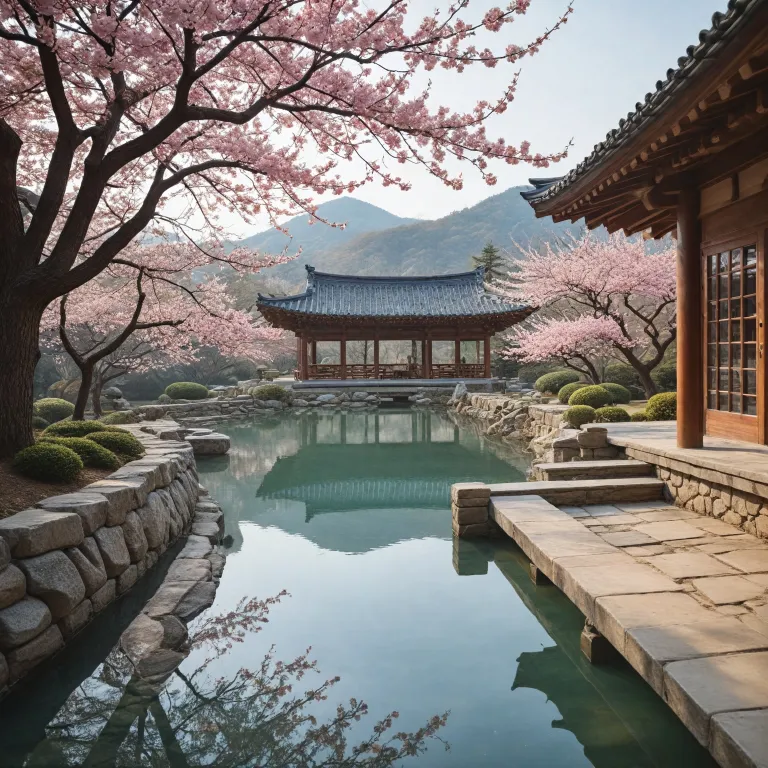
Springtime elegance in South Korea for luxury hotel seekers
Spring in South Korea brings mild air, soft light, and refined travel moods. From late March to May, temperatures usually rise from around 10 °C to the low twenties, creating ideal conditions for a korea spring itinerary that balances city energy and coastal calm. This gentle climate makes it easier to plan a spring korea journey that includes both cherry blossoms and premium hotel experiences without weather extremes.
For many travellers, the phrase spring in South Korea immediately evokes cherry trees in full blossom and riverside walks in Seoul. According to the South Korean Meteorological Administration, average temperatures climb steadily through the season, so you can time your trip to match peak cherry blossoms or later flower festival events. Because korea is long from north to south, cherry blossom and plum blossoms appear earlier on jeju island and later in the northern regions, which allows flexible planning for different cherry blossom and blossom festival dates.
Luxury and premium hotel booking in south korea during spring requires attention to both weather and demand. Cherry blossoms typically bloom in late March to early April, varying by region. As a result, rooms with hangang river or grand park views in seoul, as well as suites on jeju, often sell out quickly around each major cherry blossom festival. To enjoy the best properties, plan your day tour schedule, airport transfers, and money card arrangements before reservations open for peak spring korea weekends.
Planning a refined cherry blossom itinerary across Seoul and beyond
Designing a sophisticated itinerary for spring in South Korea starts with mapping key blossom areas. In seoul, many premium travellers combine seoul forest walks, eungbongsan mountain viewpoints, and riverside paths along the hangang river in a single day tour. This allows you to enjoy cherry blossoms, plum blossoms, and other spring flowers while returning to a central luxury hotel each evening.
Yeouido, near the hangang river, is famous for avenues lined with more than 1 400 cherry trees, and it pairs well with a stay in a high floor suite overlooking the water. The Korea Tourism Organization notes that spring in South Korea is characterized by mild temperatures, blooming cherry blossoms, and various cultural festivals. From this base, you can reach seoul forest or a nearby grand park by bus or taxi, then return for afternoon tea or a korean fine dining experience in your hotel.
Beyond seoul, many guests extend their trip to nami island and the garden of morning calm on a curated day tour. These routes often include stops at a flower festival or smaller village markets, giving a more intimate view of korea spring landscapes. When booking, check whether your preferred property can arrange a private bus transfer or small group tour, as this adds comfort and saves time during busy blossom festival weekends in south korea.
Luxury stays near hanok villages, mountains, and coastal landscapes
Spring in South Korea is not limited to urban cherry blossoms, and many premium travellers seek quieter stays. In jeonju hanok areas, you can book refined rooms that echo traditional hanok village architecture while still enjoying modern comforts and attentive service. These properties are ideal for guests who want to experience korean heritage, taste regional cuisine, and walk among plum blossoms in nearby lanes during a calm spring korea morning.
Further afield, jeju island offers dramatic coastal scenery, volcanic landscapes, and luxury resorts that frame the season differently from seoul. Many visitors plan a multi day trip that starts with cherry blossoms along the hangang river, then continues south by plane from seoul airport to jeju for ocean views and quieter flower festival experiences. Because jeju and other south coastal areas warm earlier, cherry blossom and plum blossoms can appear sooner than in the capital, extending the overall korea spring window.
Mountain lovers often add eungbongsan mountain viewpoints or other ridges near seoul to balance city stays with nature. Some high end hotels coordinate sunrise transfers by bus or private car, so guests can enjoy the first light over cherry blossoms before returning for a leisurely korean breakfast. When comparing properties, look for concierge teams that understand blossom festival timing across south korea, including jeonju hanok, jeju, and smaller village regions, as this expertise can transform a standard spring in South Korea trip into a seamless, elegant journey.
Navigating transport, tours, and money for a smooth spring journey
Thoughtful logistics are essential for enjoying spring in South Korea without stress. Airports in seoul and busan become busier during peak cherry blossom and blossom festival periods, so premium travellers often arrange private transfers in advance. Many luxury hotels offer airport pick up services or can book a dedicated bus or car, which is especially helpful after a long flight when you want to reach your room quickly and enjoy the first evening of korea spring.
Within cities, combining metro, taxi, and occasional bus rides keeps your spring korea schedule flexible. For day tour excursions to nami island, the garden of morning calm, or a grand park on the outskirts of seoul, consider small group or private tour options that depart from central hotels. These curated tours usually include timed entries for popular cherry blossom and flower festival sites, reducing queues and allowing more time to enjoy the scenery and your hotel amenities.
Financial planning matters as well, particularly when booking premium rooms during spring in South Korea. A rechargeable money card or local transport card simplifies payments for metro rides, bus fares, and small purchases in a hanok village or at a blossom festival stall. Many high end properties in seoul, busan, and jeju island also accept international cards, but having a money card ready ensures smoother transactions during busy cherry blossoms weekends and allows you to focus on the beauty of south korea rather than practical details.
Choosing premium hotels for festivals, riversides, and grand parks
Selecting the right property is central to a memorable spring in South Korea experience. In seoul, hotels near the hangang river, seoul forest, or a major grand park offer quick access to cherry blossoms and plum blossoms, which is valuable when mornings and evenings are the most photogenic times. Rooms with river or park views allow you to enjoy korea spring colours even on a quiet day when you prefer to stay close to the spa or lounge.
For guests focused on festivals, proximity to key blossom festival venues in south korea can outweigh other factors. Properties near popular cherry blossom avenues, or within a short bus or taxi ride of seoul forest and eungbongsan mountain, help you reach sunrise and sunset viewpoints without long commutes. In busan and jeju island, waterfront hotels provide a different angle on spring korea, combining ocean horizons with nearby flower festival events and coastal village walks.
When comparing options, look beyond room size and rate to evaluate concierge expertise and seasonal services. Ask whether the team can secure restaurant reservations, arrange a private day tour to nami island or jeonju hanok, or provide real time advice on cherry blossoms timing across korea. As yellow dust, originating from the Gobi Desert, can reduce air quality and visibility during spring months, it is also wise to choose hotels that share clear updates and can suggest indoor alternatives on affected days, ensuring your trip remains comfortable and refined.
Practical tips for weather, wellness, and cultural etiquette in spring
Understanding seasonal conditions will help you enjoy spring in South Korea with confidence. Average temperatures move from around 10 °C in March to the low twenties by May, but mornings and evenings can still feel cool, especially near the hangang river or on eungbongsan mountain. Pack light layers so you can adapt quickly during a day tour that starts with a fresh korea spring sunrise and ends with a warmer afternoon among cherry blossoms.
Weather services recommend checking forecasts regularly, because spring korea days can shift from clear skies to haze when yellow dust passes through. Be aware of yellow dust advisories and take necessary precautions, particularly if you plan extended walks in a grand park, seoul forest, or a coastal village on jeju island. Many premium hotels in seoul and busan monitor air quality and can advise whether to adjust your blossom festival or flower festival plans for the day.
Cultural awareness also enhances any trip focused on cherry blossom and plum blossoms. During busy weekends in south korea, parks, hanok village streets, and nami island paths can feel crowded, so move calmly, avoid blocking narrow walkways, and keep noise levels moderate near traditional jeonju hanok guesthouses. When you press the elevator button back at your hotel after a long day among cherry blossoms, you will appreciate how korean hospitality blends efficiency and grace, turning spring in South Korea into a season of both visual beauty and thoughtful service.
Key spring travel statistics for South Korea
- Average March temperature in south korea is approximately 10 °C, rising steadily through the season.
- Average April temperature reaches about 18 °C, ideal for cherry blossoms viewing and outdoor festivals.
- Average May temperature approaches 23 °C, supporting later flower festival events and coastal trips.
- Yeouido in seoul features around 1 400 cherry trees, creating one of the densest urban cherry blossoms displays in the country.
Essential questions about spring in South Korea
When do cherry blossoms bloom in South Korea?
Cherry blossoms typically bloom in late March to early April, varying by region. In the south, including busan and jeju island, cherry blossom and plum blossoms often appear earlier, while northern and inland areas bloom slightly later. This staggered pattern allows travellers to plan a flexible korea spring itinerary that follows cherry blossoms from south to north.
What is yellow dust, and how does it affect South Korea?
Yellow dust, originating from the Gobi Desert, can reduce air quality and visibility during spring months. When planning spring in South Korea, monitor advisories from the South Korean Meteorological Administration, especially if you have outdoor cherry blossom or blossom festival activities. On days with higher levels, consider indoor experiences at your hotel or museums in seoul and busan, and use masks if you still choose to walk in a grand park or along the hangang river.
Are there any major festivals in South Korea during spring?
Yes, festivals like the Jinhae Cherry Blossom Festival and Yeouido Spring Flower Festival are popular during spring. Many travellers combine these events with visits to seoul forest, nami island, jeonju hanok areas, and jeju island to enjoy a variety of cherry blossoms and flower festival atmospheres. Because these festivals attract large crowds, book hotels, day tour options, and transport from the airport or between cities well in advance to secure the best premium choices.