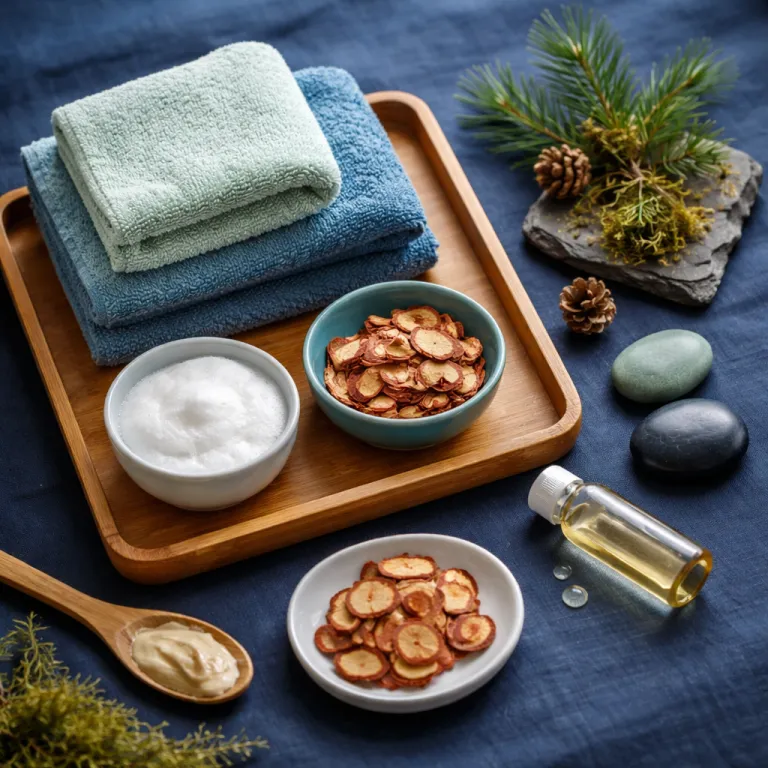
Why Korean wellness feels different from the rest of East Asia
Wellness in South Korea is not a borrowed trend from abroad. It is a layered culture where hanbang, or traditional Korean medicine, shapes how a wellness retreat or spa resort treats your body and mind. In a single stay, you feel how the country combines clinical precision with rituals that have been refined over thousands of years.
In Seoul, a spa therapist might blend red ginseng oils with acupressure rooted in Korean wellness philosophy. Travel south to a mountain resort and the same programs will reference forest science, volcanic bedrock geology and the mineral profile of local water. This is where a wellness-focused resort in South Korea stands apart from many properties elsewhere in East Asia.
Across the country, the best resort wellness teams work closely with medical institutions and wellness experts. They design programs that move beyond a generic spa menu and instead align treatments with your sleep patterns, stress levels and preferred pace of experience. When you choose a hotel in South Korea for restorative travel, you are entering a system that treats the body, the mind and the landscape as one continuous room.
Thermal waters, hot springs and the power of Korean oncheon culture
Long before the first luxury hotel in Seoul towered over the Han River, Koreans were soaking in oncheon, the country’s hot springs. These thermal traditions run through South Korean culture, from Asan’s alkaline pools to Jeju Island’s mineral-rich baths. A serious destination spa or wellness resort will reference this history rather than simply installing decorative swimming pools.
Resom Forest & Have9 Healing Spa in Jecheon leans into water as therapy, pairing forest trails with hydrotherapy circuits that echo classic oncheon bathing. The resort’s wellness center uses both warm and cool water to stimulate circulation, while outdoor swimming areas frame the surrounding mountain park. For travelers comparing luxury hotels with hot springs in Korea, this kind of integrated water journey offers more depth than a simple indoor–outdoor pool complex, and you can read a detailed perspective in this elevated hot spring spa guide.
On Jeju Island, Haevichi Hotel & Resort Jeju and WE Hotel Jeju both draw on volcanic bedrock and exceptionally pure bedrock water in their spa programs. WE Hotel Jeju, for instance, is known for medically oriented programs that use mineral-rich water in inhalation therapy and relaxation pools. When a wellness property in South Korea talks about natural water, it usually means a specific geological story rather than a vague marketing phrase.
From spa seoul to forest retreats: where to stay for deep reset
Seoul is where many solo travelers first test the waters of Korean wellness. In Gangnam, Spa 1899 builds entire facial and body rituals around red ginseng that has been cultivated for six years before use. This is the kind of detail that signals a serious wellness-led hotel experience in South Korea rather than a spa added as an afterthought.
For a hotel Seoul base with a strong spa, Banyan Tree Club & Spa Seoul stands out, with large room layouts that feel more like private wellness suites than standard city keys. The property’s indoor–outdoor swimming pools and hydrotherapy areas overlook Namsan mountain park, giving you a rare sense of space in the capital. When you want to go deeper into local culture, step beyond the hotel and explore the jjimjilbang scene that staff actually frequent, using this guide to Seoul’s hidden jjimjilbangs as a discreet starting point.
Outside the capital, Park Roche Resort & Wellness in Gangwon-do has become a reference point for resort wellness in South Korea. Set near a quiet mountain station, Park Roche offers structured programs that balance meditation, movement and nutrition in a way that genuinely resets both body and mind. The property’s architecture, use of natural materials and views over the surrounding park landscape make it feel like a Korean wellness village rather than a conventional South Korean resort.
Forest therapy, mountain air and the rise of nature based wellness
Nature is not a backdrop in Korean wellness; it is an active treatment tool. The National Center for Forest Therapy in Yeongju has helped formalize forest bathing into measurable programs, with data-driven approaches to stress reduction. According to Korea Forest Service reports, participants in certified forest therapy programs show measurable drops in cortisol and blood pressure after guided sessions. Luxury properties now borrow this science, turning a simple mountain walk into a structured wellness experience.
Park Roche integrates guided forest walks, breathing exercises and silent trails into its core programs, rather than treating them as optional extras. Guests move from a calm room session to a mountain path, then back to the wellness center for thermal spa rituals that anchor the day. For travelers who enjoy refined ski trips, combining a stay here with a visit to the country’s most polished alpine properties makes sense, and this elegant guide to skiing in South Korea outlines how to link both experiences.
Resom Forest adds water-focused healing to the forest therapy mix, using pools and baths set against dense woodland. Over on Jeju Island, WE Hotel Jeju sits amid a highland forest where volcanic bedrock and clean air shape both medical and relaxation programs. In each case, the resort wellness philosophy is clear: the landscape is as important as any treatment room or spa therapist.
Designing a wellness focused itinerary across South Korea
Planning a wellness journey across South Korea works best when you think in chapters. Start in Seoul for an urban spa immersion, where you can sample hanbang treatments, jjimjilbang rituals and refined hotel spas in a single long weekend. Then move south or east to a mountain or coastal resort where silence, forest air and natural water take over.
A classic route begins with two or three nights in a hotel Seoul property such as Banyan Tree Club & Spa Seoul or Paradise City Incheon, both of which blend club-style facilities with serious spa programs. From there, you might take a train to a mountain station near Park Roche or Resom Forest, where structured programs help align your body and mind after the city’s intensity. Finish on Jeju Island at Haevichi or WE Hotel Jeju, where volcanic bedrock, bedrock water and ocean views create a softer landing before you fly home.
When booking, look for clear information on wellness programs, medical partnerships and practical details such as indoor–outdoor swimming pools, quiet room categories and healthy dining options. Serious properties will provide a direct contact email for the wellness center so you can tailor your stay in advance. As one industry overview notes, “Rise in wellness tourism in South Korea,” “Integration of medical services in wellness resorts” and “Emphasis on sustainable and eco-friendly practices” are three trends that should guide how you choose your next wellness-focused escape in the country.
FAQ: planning your stay at a wellness spa resort in South Korea
What are the top wellness spa resorts in South Korea for first time visitors ?
For a first wellness-focused trip, Paradise City Incheon, Park Roche Resort & Wellness, Resom Forest & Have9 Healing Spa, Haevichi Hotel & Resort Jeju and WE Hotel Jeju form a strong shortlist. Together they cover urban convenience near Seoul, deep forest immersion and coastal relaxation on Jeju Island. Each resort offers structured programs that balance spa treatments, movement and rest.
Are Korean wellness programs suitable for international travelers who do not speak Korean ?
Most leading wellness resorts in South Korea design their programs with international guests in mind. English-speaking staff are standard at properties such as Paradise City Incheon, Park Roche and the major Jeju Island resorts. Before booking, use the wellness center contact email to confirm language support for specific classes or consultations.
How many days should I spend at a wellness spa resort in South Korea ?
Three nights is usually the minimum to feel a meaningful shift in body and mind. Many structured programs at Park Roche, WE Hotel Jeju or Resom Forest are designed around three- to five-night stays, with progressive activities each day. If you are combining Seoul and a rural resort, plan at least one week in South Korea to avoid rushing.
What makes Korean hot spring resorts different from other thermal destinations ?
South Korean oncheon culture combines bathing with hanbang principles, so the focus is not only on relaxation but also on circulation, skin health and sleep quality. Resorts often highlight the specific mineral composition of their water, whether it flows through volcanic bedrock on Jeju Island or alkaline sources near Asan. Many properties integrate these waters into both public pools and private room baths for a more personal experience.
How can I keep a healthy routine while enjoying hotel dining options ?
At serious wellness properties, dining options are built into the overall program rather than treated as a separate indulgence. Expect seasonal Korean menus with lighter versions of classics, plenty of vegetables and careful control of salt and spice. When you reserve, ask the wellness center via contact email to coordinate any dietary needs with the hotel kitchen so your meals support your spa and movement schedule.