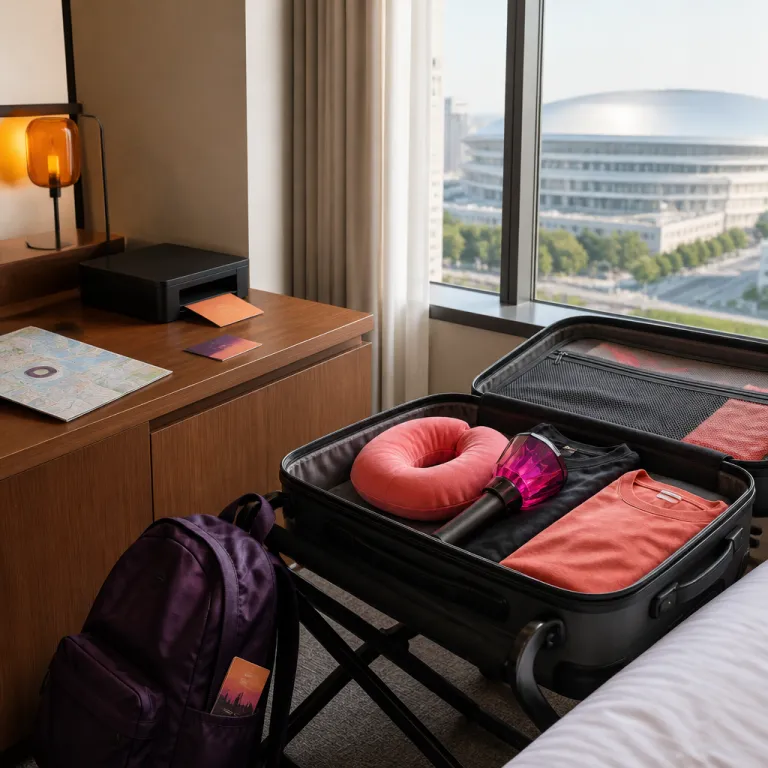
Choosing a hotel near K-pop concert Seoul Jamsil arena without losing your sanity
Booking a hotel near K-pop concert Seoul Jamsil arena has become a tactical sport. Demand from international pop fans has pushed Seoul hotel occupancy close to pre-pandemic peaks, especially around Jamsil Sports Complex and the main stadium. If you want a calm stay instead of a chaotic scramble, you need to think like a local travel planner, not just a fan with a ticket.
Concert seasons follow a predictable rhythm in Seoul: announcements, ticket sales, then a wave of hotel reservations that hits Jamsil and Olympic Park within days. A 2023 CNBC analysis of global booking platforms reported hotel searches jumping several thousand percent around major K-pop tour dates, and that pressure is felt most in properties near the arenas. For a room close to the Jamsil stadiums, the savviest guests now reserve as soon as dates drop, then fine-tune room types and transportation plans later.
Focus first on geography, because in Seoul a few subway stops can mean an extra hour in fan queues. Jamsil sits in the southeast, anchored by the Jamsil Sports Complex, Olympic Park, and the KSPO Dome, with Lotte World Tower and the COEX area a short subway ride away. Staying near these venues gives you fast access to both the stadiums and the shopping and dining complexes that keep pop fans busy between shows.
For most visitors flying into Incheon International Airport, the journey into Seoul feels long after an overnight flight. That is why it helps to pre-book a ride-hailing transfer or airport limousine bus that drops you near Jamsil Station, rather than improvising with luggage on the Seoul subway. From Incheon or the second international airport at Gimpo, you can reach Jamsil in about an hour in light traffic, but only if you avoid peak commuter times and plan your transfers carefully.
Luxury hotels near Jamsil now lean into concert culture without losing their polish. You will see concierge teams quietly managing crowd flow in the lobby, steering pop fans toward elevators that serve only their floors, and suggesting quiet rooms facing away from the main stadium. The best packages include late check-out on concert days, flexible breakfast hours, and car services timed to the first and last subway trains back from the sports complex.
Solo travelers often underestimate how intense fan traffic can feel around a hotel Seoul property during a major tour. A five-minute walk on the map can become a twenty-minute shuffle through light sticks, merch stalls, and fan-organized events. When you compare recommended hotels, look beyond distance and ask how the property manages access, crowd control, and noise after midnight, especially if your rooms face the complex or the Seoul sports facilities.
Solo fan & transport checklist (Jamsil, Gocheok, Olympic Park)
- Map your route: save offline directions from your hotel to each arena, including last-train times on the Seoul subway.
- Arrive early: add 20–30 minutes to any walking estimate on concert days to account for merch lines and fan events.
- Airport strategy: from Incheon or Gimpo, consider airport limousine buses that stop near Jamsil, Yeouido, or Hongdae instead of juggling heavy bags on multiple transfers.
- Late-night returns: choose hotels on well-lit streets near major stations, and check reviews for comments on safety and noise after midnight.
- Keep essentials separate: carry only part of your cash and one card to the venue; leave backups locked in your room safe.
Jamsil Sports Complex and KSPO Dome: where to stay for Seoul’s southeast stages
The Jamsil Sports Complex is the beating heart of southeast Seoul’s concert grid. Within one compact zone you have the main stadium, the baseball field, the indoor arena, and the KSPO Dome at Olympic Park, all linked by the Seoul subway and a dense web of bus routes. For anyone targeting a hotel near K-pop concert Seoul Jamsil arena, this cluster is both a blessing and a logistical challenge.
Think of Jamsil as a layered complex rather than a single venue, because each arena pulls different crowds and shapes your stay. When the KSPO Dome hosts a multi-night residency, hotels near Olympic Park fill with pop fans who want a short 10–15 minute walk back to their rooms after the encore. During stadium tours at the main arena, demand spreads further along the subway line toward COEX and Gangnam, where larger hotels can absorb the surge.
Luxury travelers often gravitate toward the Lotte properties that anchor this part of Seoul, especially those integrated into Lotte World Tower and the adjacent shopping complex. These hotels offer direct access to high-end dining, indoor theme parks, and riverfront walks, which matters when you are balancing jet lag with late-night concerts. A carefully chosen base near Jamsil lets you move between fan events, Korean restaurants, and quiet lounges without ever needing a taxi.
Transportation is your second filter after comfort. Jamsil Station on Line 2 and Line 8 is the main subway hub, but do not ignore smaller stations such as Jamsilsaenae or Mongchontoseong for easier platform access on concert nights. If you prefer the bus, several routes run directly between the sports complex and COEX, giving you alternatives when Seoul subway platforms are packed with fans in matching light-stick colors.
For solo visitors arriving from Incheon International Airport, it is worth timing your airport limousine bus to avoid rush-hour arrivals at Jamsil. The ride from Incheon to this district typically takes around 70–90 minutes, depending on traffic and the number of hotel stops. Once checked in, you can rely on ride-hailing apps for late-night returns from fan cafés or riverside gatherings when the subway has closed.
Some travelers prefer to base themselves slightly away from the stadiums, in quieter pockets near Olympic Park’s eastern gates. Here you will find hotel Seoul options that cater more to business guests during the week and pop fans on weekends, which can mean better rates if you book early. For design-forward properties that balance concert access with a sense of place, look at Seoul’s new wave of architecture-led hotels, many of which I profile in this guide to concrete, hanok and light in the city’s design language.
Gocheok Sky Dome and the southwest circuit: when Hongdae meets stadium nights
Shift your gaze to the southwest and the mood changes. Gocheok Sky Dome sits closer to the creative neighborhoods of Hongdae and Hapjeong, where live clubs, street performances, and indie cafés shape a different kind of stay. For pop fans who want both stadium-scale shows and late-night bar hopping, this is the part of Seoul that feels like an extended encore.
The key number here is travel time. The distance from Hongdae to Gocheok Sky Dome is approximately 25 minutes by subway, which makes it realistic to stay in a lifestyle-focused hotel near Hongdae while commuting to concerts. When you compare hotels near the dome itself with those closer to Hongik University Station, weigh the trade-off between a short walk to the venue and richer nightlife options after the show.
Many international visitors still fly into Incheon before heading straight to central Seoul, but a growing number now choose to base themselves in the western districts for easier access to both the airport and Gocheok. From Incheon International you can reach this area via the Airport Railroad Express and a quick transfer on the Seoul subway, or by direct airport bus to major stations. Ride-hailing services fill the gaps late at night, especially when you are carrying merch bags and want to avoid crowded trains.
Luxury and premium hotels are thinner on the ground near Gocheok Sky Dome compared with Jamsil, which is why I often recommend staying in higher-end hotel Seoul properties in Yeouido or Mapo. These districts sit between the dome and the city center, with strong transportation links by subway and bus. A short ride delivers you to the stadium, while your rooms remain insulated from post-concert noise and traffic.
Solo travelers should pay attention to how each hotel manages access after midnight. Some properties near major stations have separate entrances for late-night arrivals, with security staff used to concert crowds returning in waves. Others lean into the fan atmosphere, hosting informal meetups in the lobby bar, which can be a comfortable way to connect with other international visitors without feeling overwhelmed.
If you prefer a more polished environment with spa facilities and club lounges, consider the new generation of glass-clad luxury towers rising along the Han River. These properties, many of which I review in depth in this feature on Seoul’s five-star beauty hotels, offer a refined base with easy subway access to both Gocheok and Jamsil. You trade a doorstep location for better service, quieter corridors, and concierge teams who understand the rhythm of concert season.
From Seoul to Busan: regional concerts and why your stay feels different
Not every major tour stops only in Seoul. Busan has quietly become a second pillar in South Korea’s concert map, with stadium shows and festivals drawing pop fans who want a different flavor of city. The experience of booking a hotel near a Busan concert is distinct from chasing a room near the Jamsil arenas in Seoul, and that difference can work in your favor.
Busan’s venues, including the Asiad Main Stadium and the coastal complexes, sit closer to beaches and hillside neighborhoods than their Seoul counterparts. That means your stay naturally blends concert nights with seaside mornings, temple visits, and seafood markets, rather than just shopping malls and sports-complex plazas. Hotel offers here often include ocean-view rooms, spa packages, and curated tours that feel more like a resort stay than a quick urban dash.
Transportation patterns also shift. Many international visitors still land at Incheon Airport, spend a night in a hotel Seoul property near a major station, then ride the KTX high-speed train to Busan the next day. Others connect through the smaller Gimhae International Airport, which can be more convenient if your flights align, though it lacks the extensive currency exchange and shopping facilities of Incheon International.
Because Busan’s concert calendar is slightly less dense than Seoul’s, hotels near the stadiums there often have more flexibility with late check-out and room upgrades. You are still wise to book early, especially for headline acts, but the pressure is rarely as intense as around Jamsil or the KSPO Dome. That breathing room lets you prioritize Korean hospitality touches such as on-site jjimjilbangs, rooftop pools, and chef-led tasting menus.
Solo travelers often report feeling more relaxed in Busan, where the pace of fan activity is energetic but less compressed into a single sports complex. You can attend fan-organized events in the afternoon, walk along the beach at sunset, then take a short bus or subway ride to the venue without the same crush of bodies you find near Jamsil Station. For many first-time visitors to South Korea, this softer landing makes Busan an appealing complement to a high-intensity Seoul concert weekend.
When you compare itineraries, consider splitting your trip between a hotel near K-pop concert Seoul Jamsil arena and a quieter coastal property in Busan. This two-city approach lets you experience both the electric charge of Seoul sports nights and the slower rhythms of the south. It also spreads your risk, since weather or schedule changes in one city will not derail your entire stay.
Hidden gem neighborhoods in Seoul for K-pop fans who want more than arenas
Staying directly next to a stadium is not the only way to do concert season well. Some of the most rewarding trips I have seen come from pop fans who base themselves in less obvious corners of Seoul, then commute to Jamsil, Gocheok, or Olympic Park. These travelers treat the arenas as nightly destinations, not the center of their entire stay.
Consider Seongsu, often called Seoul’s answer to Brooklyn, where converted warehouses now house cafés, galleries, and independent Korean fashion labels. From here you can reach Jamsil Sports Complex in under twenty minutes by Seoul subway, yet your days are spent exploring riverfront paths, roastery-lined alleys, and low-key wine bars. Hotels near this district tend to be smaller and more design focused, offering rooms that feel like creative studios rather than generic boxes.
Another strong option is Ikseon-dong and the surrounding historic core, where narrow lanes hide hanok-style guesthouses and contemporary restaurants. If you are curious about traditional architecture but still want hotel-level service, look at refined hanok residences and manor-style stays highlighted in this guide to elegant hanok manors in Korea. From this central base you can reach COEX, Jamsil, or the KSPO Dome by subway or bus, while your immediate surroundings remain calm and atmospheric.
For those who prefer river views, Yeouido offers a polished business-district feel with weekend access to parks and cycling paths. Luxury hotel Seoul properties here often have excellent transportation links, including direct airport buses to Incheon International and quick subway connections to both Gocheok Sky Dome and Jamsil. You gain easy access to the arenas while returning each night to a quieter island enclave that feels removed from fan chaos.
Hidden gem stays also shine when it comes to practicalities. Many of these neighborhoods have convenient currency exchange counters, late-opening convenience stores, and cafés where you can recharge devices and yourself between fan events. Because they are not directly next to a sports complex, you are less likely to face long elevator waits or crowded lobbies filled with light sticks and banners.
One data-based insight is worth repeating here for planning. When asked about popular areas to stay in Seoul for K-pop concerts, many fans still default to Myeongdong, Hongdae, and Gangnam, but the real sweet spot often lies in these slightly off-center districts that balance access and atmosphere. If you are willing to trade a five-minute walk for a fifteen-minute ride, your overall stay can feel far more luxurious and grounded.
Luxury versus budget near the arenas: what premium stays really buy you
With hotel prices near Seoul’s arenas climbing during concert season, the question is not just where to stay but how much to invest. A luxury hotel near K-pop concert Seoul Jamsil arena can easily cost several times more than a budget option a few stations away. The premium only makes sense if you understand what you are actually buying.
Start with time and energy. High-end hotels near Jamsil, Olympic Park, and COEX often guarantee a genuine five- to ten-minute walk to the venue gates, which matters when you are queuing for merch or fan events before the show. After the encore, that same proximity means you are back in your room within minutes, showered and in bed while others are still navigating bus transfers and crowded platforms.
Service is the second differentiator. Luxury hotel Seoul properties typically offer concierge teams who can secure restaurant reservations in Korean, arrange private transfers when ride-hailing apps surge, and advise on the safest late-night routes back from fan gatherings. Many also provide multilingual staff who understand fan culture, so you can ask detailed questions about Seoul sports schedules, stadium entry rules, or last train times without feeling judged.
Room quality matters more than you might think during a high-intensity concert trip. Premium hotels near the arenas invest in soundproofing, blackout curtains, and high-quality bedding, which can make the difference between a restorative sleep and a restless night. When you are balancing jet lag from Incheon Airport arrivals with back-to-back shows, that extra layer of comfort becomes a form of insurance.
On the practical side, luxury properties usually have on-site currency exchange, 24-hour room service, and laundry options that can rescue outfits between concert nights. They also tend to manage access more carefully, with keycard-controlled elevators and security teams who keep non-guests from crowding corridors. For solo travelers, this controlled environment can feel significantly safer than a cheaper property where anyone can wander in from the station.
Budget stays still have their place, especially for repeat visitors who know the transportation system well and prioritize merch over amenities. If you choose this route, focus on hotels near major subway lines rather than those directly next to the sports complex, and check reviews for noise and cleanliness during concert periods. The right balance might be a mid-range hotel a few stops from Jamsil, where you gain both value and a more local slice of Seoul life.
Timing, booking tactics, and solo fan safety in Seoul and beyond
Securing the right hotel near K-pop concert Seoul Jamsil arena is as much about timing as location. Concert seasons in South Korea follow a clear pattern, and the most prepared pop fans treat accommodation like a second ticket drop. If you wait until after your seat is confirmed, you are already behind the curve.
The booking wave usually hits within days of major tour announcements, long before ticket sales actually open. Savvy travelers reserve flexible-rate rooms at recommended hotels near Jamsil, Gocheok, or Olympic Park as soon as dates appear, then adjust or cancel once their concert plans are locked. This strategy is especially useful for those flying into Incheon International, where flight schedules can shift and you want the freedom to tweak your stay without penalty.
Tools matter here. Hotel booking websites, travel apps, and fan community recommendations now work together as an informal planning ecosystem, with real-time data on which hotels near each sports complex are filling fastest. Some fans even coordinate shared stays through community platforms, turning a standard hotel Seoul booking into a mini fan hub with pre-arranged meetups in the lobby or nearby cafés.
Solo travelers should layer safety into every decision. Choose properties with clear access controls, well-lit routes from the nearest station, and staff on duty around the clock, especially if you plan to return after the last subway or bus. When possible, request rooms on mid-level floors rather than ground level, and share your itinerary with a trusted contact at home, including hotel names and expected arrival times from Incheon Airport or other entry points.
On the ground, basic habits go a long way. Keep a physical card with your hotel address in Korean for taxi or ride-hailing drivers, and save offline maps that show the route from the stadium to your stay. Avoid carrying all your cash to the venue, since currency exchange counters and ATMs are widely available in Seoul’s major complexes and stations.
One more data insight underlines the value of planning. According to 2023 figures from K POP Ticket Navi, average hotel prices near the KSPO Dome hover around 100 USD per night in standard periods, but can climb sharply during headline tours, especially when tourism spending across South Korea is already rising. If you treat your stay with the same strategic care you give to ticketing, you will arrive in Seoul not just for a concert, but for a well-orchestrated trip that respects both your budget and your energy.
Key figures shaping concert season stays in Seoul and Busan
- Average hotel prices near the KSPO Dome sit around 100 USD per night in regular periods, according to 2023 data from K POP Ticket Navi, but can rise significantly during major tours when demand spikes.
- The travel platform K POP Ticket Navi also notes that the distance from Hongdae to Gocheok Sky Dome is approximately 25 minutes by subway, which makes it feasible to stay in nightlife-rich Hongdae while attending southwest Seoul concerts.
- Statistics from the Korea Tourism Organization show tourism spending in South Korea surpassing 3.21 trillion won in a recent first quarter, representing growth of more than 20 percent and signaling sustained pressure on hotel inventory during concert seasons.
- CNBC’s 2023 reporting on K-pop tour impacts highlights hotel searches around major dates surging by several thousand percent on global booking platforms, a pattern that explains why rooms near Jamsil Sports Complex and Olympic Park often sell out within days of announcements.
- K-pop tourism now accounts for a significant share of first-time international visitors to South Korea, which means more guests navigating Incheon International Airport, Seoul subway lines, and stadium complexes for the first time.
FAQ: planning your hotel stay around Seoul’s arenas
What are popular areas to stay in Seoul for K-pop concerts?
Myeongdong, Hongdae, and Gangnam are popular areas. These districts balance access to the Seoul subway with dense dining and shopping options, making them strong bases for reaching Jamsil Sports Complex, Gocheok Sky Dome, and Olympic Park. If you want a hotel near K-pop concert Seoul Jamsil arena specifically, Jamsil and Songpa remain the closest choices, while Gangnam and Seongsu offer a good compromise between proximity and atmosphere.
How far is Hongdae from Gocheok Sky Dome?
Approximately 25 to 30 minutes by subway. You travel from Hongik University Station toward Gocheok Sky Dome with a straightforward transfer, which keeps your total ride under half an hour in most cases. This makes it realistic to enjoy a nightlife-focused stay in Hongdae while attending concerts at the dome.
Are there K-pop themed accommodations in Seoul?
Yes, some hotels offer K-pop themed rooms. These can include décor inspired by idol groups, photo zones, and curated playlists, often targeted at younger pop fans and small groups of friends. If you prefer a more understated luxury experience, look for premium hotel Seoul properties near Jamsil or COEX that understand fan culture without turning your entire stay into a themed set.
When should I book my hotel for a Seoul concert?
Book as soon as concert dates are announced, ideally before ticket sales open. Many experienced fans reserve flexible-rate rooms at hotels near Jamsil, Gocheok, or Olympic Park, then adjust once their seats and flights are confirmed. Waiting until after you secure tickets often means higher prices and fewer choices, especially near the sports complex you need.
Is it better to stay next to the stadium or near a central station?
It depends on your priorities. Staying next to a stadium like Jamsil Sports Complex or the KSPO Dome minimizes walking time and late-night transportation worries, which is ideal for short trips focused only on concerts. Choosing a hotel near a central station such as Seoul Station, Gangnam, or Hongdae offers more varied dining, shopping, and sightseeing, at the cost of a longer ride to each arena.
Sources and further reading
- CNBC – 2023 reporting on hotel search spikes and K-pop tour impacts on travel demand (consult CNBC’s travel and entertainment business coverage for the latest figures).
- K POP Ticket Navi – 2023 data on average hotel prices near KSPO Dome and travel times to Gocheok Sky Dome (see the platform’s statistics and travel tips sections).
- Korea Tourism Organization – recent statistics on tourism spending and visitor trends linked to Hallyu and concert travel (available through official KTO reports and data releases).