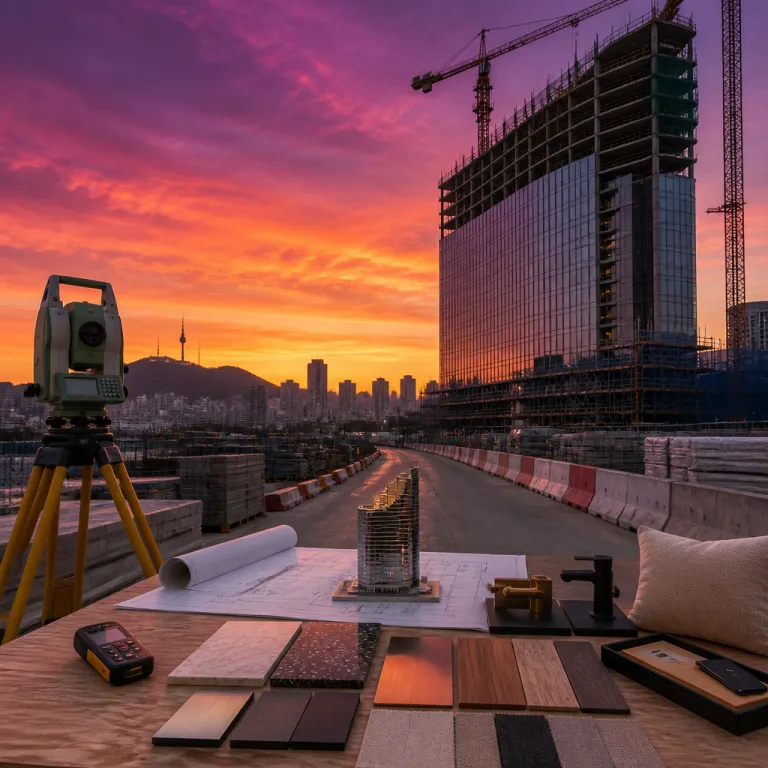
Seoul’s luxury hotel boom and the new power address
Seoul is in the middle of an unprecedented luxury hotel build out. For travelers tracking the next generation of high end openings in the city, it helps to separate the brands: Rosewood Hotels & Resorts has confirmed Rosewood Seoul for The Parkside Seoul development, while Aman is pursuing a separate mixed use tower in Cheongdam. Together, these projects signal that global operators view South Korea as a long term strategic market, and the city now feels like a live case study in how hotels, resorts and real estate can reshape an urban skyline.
Occupancy for high end properties in Seoul has reached record levels, and investors are responding with a pipeline that stretches across the city and deep into the next decade. Rosewood Seoul is slated to open beside Yongsan Park with around 250 rooms and suites, anchoring The Parkside Seoul on the historic former United Nations Command site, and the hotel will sit at the crossroads of business, diplomacy and leisure. Rosewood’s 2023 press announcement described the project as a “new urban sanctuary” for Seoul, and for guests who care about being first, this flagship is less about bragging rights and more about securing a front row seat to how the city is rewriting Asian hospitality.
The main SEO phrase often used to describe these developments captures only part of the story, because The Parkside project will feature rooms, suites and branded residences integrated into a larger mixed use district. This Rosewood hotel in Seoul is expected to frame Yongsan Park like a private garden, while the spa and wellness facilities are positioned to compete directly with the best in Hong Kong and Tokyo. For business travelers extending a stay into leisure, the combination of a serious fitness center, destination dining and park side running routes turns a work trip into a credible reset.
From Seoul Station to Cheongdam: how Aman and Rosewood redraw the map
The other half of the luxury hotel narrative sits across the river in Cheongdam. Aman originally explored a project near Seoul Station, but the plan shifted and the brand committed to a mixed use tower in Cheongdam, the neighborhood where LVMH is expanding Louis Vuitton and Dior flagships and where Brochu Walker will open its first international Maison. That move tells you exactly where the highest spending guests in South Korea are shopping, sleeping and holding their next event.
Aman’s Cheongdam tower is planned as a 49 story complex that will feature rooms, branded residences, wellness facilities and elevated dining, effectively creating a vertical resort in the city. When this Aman hotel south of the river opens, it will sit in dialogue with Rosewood Seoul north of the river, giving travelers two very different luxury hotel experiences within one metropolitan area. For executives who already split their time between Hong Kong, Singapore and Tokyo, Seoul’s new hotels and resorts cluster will feel instantly familiar yet distinctly Korean.
Legacy properties are not standing still while these next generation competitors arrive, and the reimagining of the former InterContinental COEX into a Westin illustrates how quickly the market is moving. If you want a sense of how established brands are upgrading rooms, suites and wellness offerings ahead of the new wave, study the transformation outlined in this Westin Seoul Parnas hotel review. The message is clear for anyone planning a visit to Seoul; the coming seasons in this city will be defined by sharper design, more ambitious spas and a race to lock in loyalty before Rosewood and Aman open their doors.
Mixed use playgrounds: where luxury hotels, retail and wellness converge
Every serious new luxury hotel in Seoul now arrives as part of a mixed use ecosystem. The Parkside Seoul, which includes Rosewood Seoul, blends hotel, real estate, retail and green space, while Aman’s Cheongdam tower layers hospitality over high end residences and shopping. This is the same logic that drives luxury brands like Goyard, The Row and Longchamp to cluster around Cheongdam, Pangyo and Incheon International Airport, turning hotels into gateways to the wider luxury economy of South Korea.
For travelers, that means your hotel Seoul choice is no longer just about rooms and suites but about the entire neighborhood experience. Step out of a lobby in Cheongdam and you are minutes from LVMH flagships, while a short drive to Pangyo brings you to Hyundai Department Store, where Goyard and other brands are riding a surge in luxury jewelry and watch sales. Recent disclosures from major retailers such as Shinsegae and Lotte show double digit growth in key luxury categories, and that spending power underpins why hotel and resort developers and global capital are comfortable committing billions to the city.
Airport access is evolving in parallel, and premium hotels near Incheon now function as soft landing pads before guests transfer into the city. If you are planning a late arrival or early departure, it is worth studying a curated guide such as this overview of refined hotels near Incheon Airport to align your first night with your broader itinerary. Once you reach central Seoul, the latest luxury hotel projects from Rosewood, Aman and their peers will anchor districts where wellness, dining and shopping are all within a short walk, making it easier to compress a full season’s worth of experiences into a three night stay.
Wellness, Asaya and the new standard for urban retreats
Wellness is where Seoul’s next wave of luxury hotels becomes genuinely future ready. Rosewood’s Asaya Wellness concept, already proven in Hong Kong and other cities, is expected to bring a more holistic approach to spa culture in South Korea, blending serious fitness with emotional wellbeing and nutrition. In a city where traditional jjimjilbang bathhouses sit alongside cutting edge dermatology clinics, that combination feels perfectly calibrated.
Travelers can expect the Rosewood hotel will feature rooms and suites that connect directly to Asaya Wellness zones, allowing guests to move from a morning meeting to a tailored treatment without crossing the lobby. A serious fitness center, hydrotherapy areas and quiet spaces for reflection will turn the spa into a daily ritual rather than a one off indulgence, especially for business travelers extending their stay into the weekend. Aman’s own wellness facilities in Cheongdam will likely lean into the brand’s meditative DNA, creating a different but complementary experience for those who prefer a more retreat like atmosphere in the city.
This focus on wellness is not limited to the flagship openings, because other luxury hotels across Seoul and hotel south destinations like Busan and Jeju are upgrading their spa and fitness offerings to stay competitive. Resort style complexes outside the capital are adding Korean inspired wellness programs, from forest bathing to temple food dining, to capture guests who want a slower pace after meetings in the city. For travelers comparing hotels and resorts options, the question is no longer whether a property has a spa, but whether its wellness facilities feel as thoughtfully designed as its rooms, suites and public spaces.
Investment, pipeline and how to book ahead of the curve
Behind the headlines about new luxury hotels in Seoul sits a deeper investment story. Global capital from players like Goldman Sachs and Singapore’s GIC is flowing into hotel real estate across South Korea, from the Mercure Ambassador Hongdae to the Glad Hotel portfolio, signaling confidence that tourism and luxury demand will keep rising. According to data cited by the Korea Tourism Organization, visitor spending has climbed to multi trillion won levels in recent years, with several quarters showing sustained double digit growth in expenditure.
Seoul’s pipeline stretches well beyond Rosewood and Aman, with Capella Residences in southern Seoul, a future Mandarin Oriental near Seoul Station and a Ritz Carlton planned for the former Millennium Hilton site, creating a ladder of openings through the next several years. Each new entrant raises the bar for service, design and loyalty programs, and the competition among global chains, luxury hotels and independent players will benefit guests through richer benefits and sharper pricing. For travelers who like to plan around openings, this is the moment to map out which hotel will align with your preferred neighborhoods and travel seasons.
mysouthkoreastay.com tracks these developments closely, and our analysis of how South Korea’s visitor numbers are evolving helps explain why brands are racing into the market. As one industry summary puts it, “Luxury brands expanding in South Korea.” and “High consumer spending on luxury goods.” and “Growth in travel retail luxury spaces.”. When you next visit the city, use a specialist website rather than a generic platform, because a curated view of hotel Seoul openings, rooms and suites configurations and wellness facilities will help you secure the right address before everyone else catches up.
FAQ
Why are so many new luxury hotels opening in Seoul and South Korea ?
Seoul is seeing record occupancy for luxury hotels, and tourism spending in South Korea has risen sharply, which gives investors confidence to fund new projects. The Korea Tourism Organization has reported multi trillion won levels of visitor expenditure in recent years, with double digit percentage growth in several quarters. This combination of international arrivals and domestic spending makes the market attractive for long term hotel and real estate investment.
What makes the new Rosewood Seoul and Aman Cheongdam projects significant for travelers ?
Rosewood Seoul, part of The Parkside Seoul development near Yongsan Park, and the future Aman in Cheongdam represent a new tier of luxury hotel in the city. Both projects integrate rooms, suites, wellness facilities and dining into larger mixed use complexes that also include retail and residences. For travelers, that means staying in properties that function as complete urban resorts while still being plugged into key business and shopping districts.
How should business travelers choose between different luxury hotels in Seoul ?
Start by deciding whether you want to be near traditional business hubs, shopping districts or cultural sites, because each hotel Seoul cluster serves a different need. Properties around Yongsan and Seoul Station work well for meetings and rail connections, while Cheongdam and Gangnam suit guests focused on fashion, dining and nightlife. Then compare wellness facilities, fitness center quality and room layouts, since these details matter when you are extending a work trip into leisure.
Are wellness and spa facilities really improving in Seoul’s new hotels ?
Yes, wellness has become a central differentiator for luxury hotels in South Korea, especially in Seoul. Concepts like Rosewood’s Asaya Wellness and Aman’s integrated spa programs are raising expectations for what an urban retreat should offer, from hydrotherapy to tailored treatments. Even established hotels and resort style properties are upgrading their spas and gyms to keep pace with these new entrants.
How far in advance should I book new luxury hotels in Seoul ?
For headline openings such as the Rosewood Seoul and Aman Cheongdam projects, it is wise to monitor announcements and join brand loyalty programs early. Once pre opening rates are released, book as soon as your travel dates are firm, especially if you want specific room and suite types or access to launch events. For peak travel seasons like cherry blossom or autumn foliage, securing reservations several months ahead will give you the best choice of luxury hotels across the city.