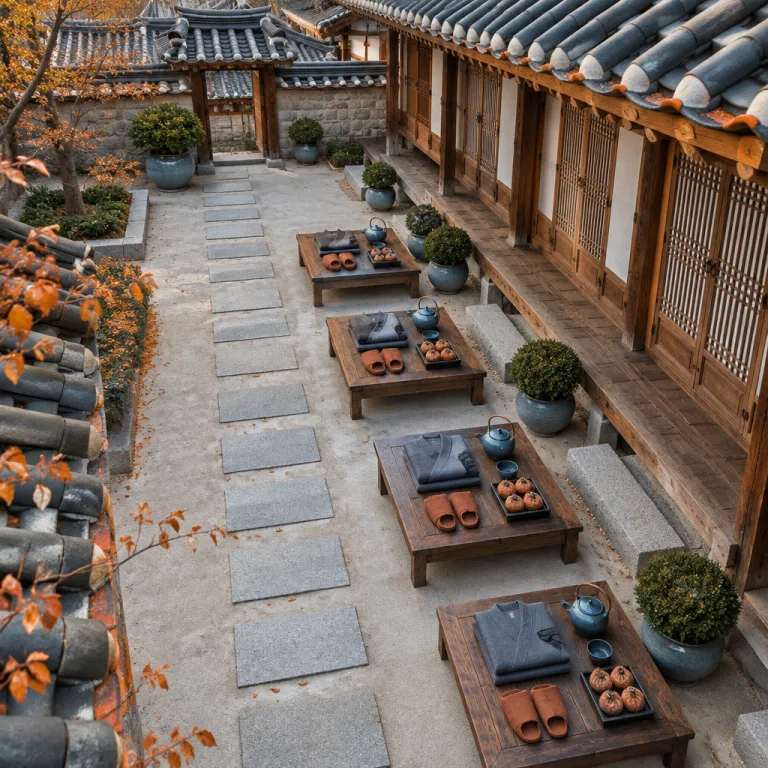
Why a hanok stay belongs on every luxury Seoul itinerary
A refined hanok stay in Seoul offers something no modern tower can match. Within a single traditional hanok house, you step into a quiet world of timber beams, paper doors, and stone courtyards that feel far removed from the neon energy of south Seoul. For many guests, this contrast between a serene hanok village and the dynamic city outside becomes the defining experience of their time in South Korea.
In premium hanok houses, the architecture itself is the luxury, with heated ondol floors, inner courtyards, and sliding doors framing views of tiled roofs in Bukchon Hanok Village or Seochon’s narrow lanes. High-end Seoul hanok properties now combine this traditional Korean layout with discreet technology, so your room can feature underfloor heating, rainfall showers, and curated tea sets while preserving the original hanok structure. When you stay hanok style in a carefully restored house, you gain both comfort and a tangible connection to centuries of Korean culture.
Travelers comparing hotels in Seoul often look first at rating scores and guest reviews, yet a hanok experience requires a different mindset. Instead of a vast lobby and dozens of identical rooms, a hanok guesthouse might offer only a handful of suites, each shaped by the original hanok houses on the plot. This intimacy means that every guest, or group of guests, receives more attentive hosting and a more personal stay in South Korea.
Staying in bukchon hanok village and seochon’s quieter lanes
The most famous area for a hanok stay is Bukchon Hanok Village, a historic neighborhood between Gyeongbokgung Palace and Changdeokgung Palace in central Seoul. Here, narrow alleys climb gentle hills, and traditional hanok roofs rise above stone walls, creating one of the Seoul best walking routes for architecture lovers. Choosing a stay Seoul option in this village Seoul district lets you wake to temple bells and stroll to nearby palaces before the tour groups arrive.
Many premium hanok stays in Bukchon offer just a few room categories, often named after the cardinal directions or the original house owners. A single hanok Bukchon property might have one courtyard suite, one family room, and one compact room for solo guests, each with different views of the hanok village rooftops. Before you check availability, study the floor plans carefully, because the quirks of each traditional Korean house mean that no two rooms feel alike.
Across the main avenue, Seochon presents a more residential take on the hanok experience, with smaller guesthouse options tucked between cafés and galleries. Here, guests can enjoy a quieter stay hanok style, with easy access to Gyeongbokgung Palace on foot and quick subway links to other parts of South Korea’s capital. For travelers seeking authentic elegance in a Seoul hanok setting, resources such as this guide to hanok hotel stays in Seoul for discerning travelers can help narrow down the most refined houses in both Bukchon and Seochon.
Design details that define a luxury traditional hanok experience
What separates a simple guesthouse from a premium hanok stay is the meticulous attention to design and service. In high-end hanok houses, artisans restore original beams, paper windows, and stone foundations, then layer in modern comforts such as deep soaking tubs and high thread count bedding. The goal is to let guests feel the rhythm of a traditional Korean house while enjoying the standards expected from leading hotels in South Korea.
Inside your room, you might sleep on a thick futon laid directly on the heated ondol floor, or on a low platform bed that respects the proportions of the original hanok structure. Sliding doors open onto a private courtyard or shared garden, where guests can sip Korean tea and listen to the wind in the pine trees after a day exploring village Seoul streets. Many Seoul hanok properties now curate cultural activities on site, and platforms such as this overview of immersive cultural experiences that Korean hotels curate for guests highlight how these stays go far beyond a standard room booking.
Service style also differs from conventional hotels, because hosts often live on site and treat each guest as a temporary member of the household. This intimacy shapes the hanok experience, from personalized breakfast times to tailored walking routes through Bukchon Village or Ikseon-dong. When you read reviews, look for mentions of how the hosts interacted with guests, since this can matter as much as the physical house in shaping your overall stay.
From palaces to alleyways : mapping your hanok stay in Seoul
Location is everything when planning a hanok stay, especially in a city as layered as Seoul. Many travelers choose Bukchon hanok or Seochon because these areas sit between Gyeongbokgung Palace and Changdeokgung Palace, making it easy to explore royal history on foot. Staying in a hanok village near these landmarks also means you can photograph the palaces in soft morning light, then retreat to your house before the midday crowds build.
Ikseon-dong offers a different mood, with narrow lanes where renovated hanok houses now host cafés, design shops, and intimate guesthouse options. A stay hanok style in this district suits guests who enjoy nightlife and dining, since many traditional Korean restaurants and wine bars occupy former family homes. When you check availability for Ikseon-dong properties, pay attention to noise levels in reviews, because some houses sit directly above popular venues.
Travelers who prefer a more urban feel might combine a night or two in a hanok with several nights in a contemporary property such as Shilla Stay Seocho, which is profiled here as a refined urban stay near Gangnam’s hidden gems. This pairing lets you experience both the quiet intimacy of hanok houses and the convenience of modern hotels in south Seoul’s business districts. By splitting your stay Seoul wide in this way, you gain a fuller picture of life in South Korea’s capital, from palace courtyards to glass towers.
How to read ratings and reviews for hanok houses
Standard hotel metrics such as star rating and brand recognition only tell part of the story for a hanok stay. Because many hanok houses operate as independent guesthouse properties with just a few rooms, guest reviews become your most valuable research tool. When you scan reviews, focus less on generic praise and more on detailed descriptions of the hanok experience, from room size to bathroom layout and heating performance.
Look for comments about noise, privacy, and temperature control, since traditional hanok walls and windows can transmit sound and drafts differently from concrete hotels. Guests who are new to traditional Korean architecture sometimes underestimate how thin paper doors can be, so honest feedback about sleep quality matters. Pay attention to how hosts respond to criticism, because a thoughtful reply often signals a commitment to improving the stay for future guests.
It also helps to compare ratings across several platforms, as a hanok village guesthouse with fewer reviews might still deliver a superior stay hanok experience. Cross check photos from guests against official images to confirm that the room and house match your expectations. Before you check availability, list your non negotiables, such as private bathrooms or western style beds, then filter hanok stays in Bukchon Village, Seochon, and Ikseon-dong accordingly.
Planning the perfect hanok stay for different types of guests
Every traveler approaches a hanok stay with different priorities, whether romance, family time, or cultural immersion. Couples often favor smaller hanok houses in Bukchon Hanok Village, where a single courtyard room can feel like a private retreat within central Seoul. Families, by contrast, may prefer larger hanok Bukchon or Seochon properties that offer interconnected room layouts and more flexible sleeping arrangements for multiple guests.
Solo travelers sometimes choose a compact guesthouse room in Ikseon-dong or a quieter corner of village Seoul, balancing affordability with access to cafés and subway lines. Business travelers might book one or two nights in a Seoul hanok near Gyeongbokgung Palace, then move to a modern property in south Seoul for meetings, creating a layered view of life in South Korea. In each case, the key is to align your chosen hanok experience with your daily rhythm, from early palace visits to late night dining.
When planning, map out walking distances from your hanok village base to key sights such as Changdeokgung Palace, Gyeongbokgung Palace, and nearby markets. Then, check availability across several hanok stays that match your preferred neighborhood, comparing room types, cancellation policies, and included services such as breakfast or cultural activities. By treating your hanok stay as the central house around which your itinerary revolves, you transform Seoul from a vast metropolis into an intimate, walkable city that feels briefly like home.
Key figures on hanok stays and cultural travel in South Korea
- According to the Korea Tourism Organization, more than 17 million international visitors arrived in South Korea in 2019, and surveys show that traditional Korean culture is one of the top motivations for visiting (Korea Tourism Organization, 2020).
- Data from the Seoul Metropolitan Government indicate that the Bukchon Hanok Village area receives several million visitors annually, with peak daily foot traffic exceeding 10 000 people during major holiday periods (Seoul Metropolitan Government, 2019).
- Industry reports on Seoul accommodation trends show that small scale traditional hanok stays and guesthouse properties account for a growing share of premium cultural bookings, even though they represent a small fraction of total hotel room supply (Korea Culture and Tourism Institute, 2021).
- Visitor satisfaction surveys conducted by the Korea Culture and Tourism Institute consistently rank palace districts such as Gyeongbokgung Palace and Changdeokgung Palace among the highest rated experiences in Seoul, which reinforces the appeal of staying in nearby hanok houses (Korea Culture and Tourism Institute, 2022).
FAQ about planning a hanok stay in Seoul
What is a hanok stay and how does it differ from a hotel ?
A hanok stay means sleeping in a traditional Korean house with wooden beams, paper doors, and heated floors, often arranged around a courtyard. Unlike large hotels, most hanok houses offer only a few rooms and more personal hosting, sometimes with the owners living on site. The experience feels closer to staying in a historic home than in a standardized hotel tower.
Which areas of Seoul are best for a hanok stay ?
The most popular districts for a hanok stay are Bukchon Hanok Village, Seochon, and Ikseon-dong, all located in central Seoul. These neighborhoods place you within walking distance of Gyeongbokgung Palace, Changdeokgung Palace, and key museums, while surrounding you with traditional streetscapes. Each area has a distinct mood, from Bukchon’s famous views to Seochon’s quieter residential lanes and Ikseon-dong’s lively cafés.
How far in advance should I book a hanok house ?
Premium hanok houses often have only a handful of rooms, so they can sell out quickly during cherry blossom season, autumn foliage, and major holidays. For these peak periods, aim to check availability and book at least two to three months ahead, especially in Bukchon Village. Outside peak times, you may find more flexibility, but last minute options are still limited compared with large hotels.
Are hanok stays comfortable in winter and summer ?
Traditional Korean houses use ondol underfloor heating, which keeps rooms pleasantly warm in winter when well maintained. In summer, many renovated hanok stays add modern air conditioning, but insulation can vary, so reviews are essential reading. If you are sensitive to temperature, choose properties that clearly state they have both heating and cooling systems in all guest rooms.
What should I look for in hanok stay reviews and ratings ?
When reading reviews, focus on comments about noise, bathroom facilities, and host communication, since these factors shape comfort more than décor alone. A slightly lower rating can still indicate an excellent hanok experience if guests praise the atmosphere, cleanliness, and location. Cross checking several platforms and guest photos helps you choose a house that matches your expectations for both authenticity and comfort.
References
- Korea Tourism Organization
- Seoul Metropolitan Government
- Korea Culture and Tourism Institute