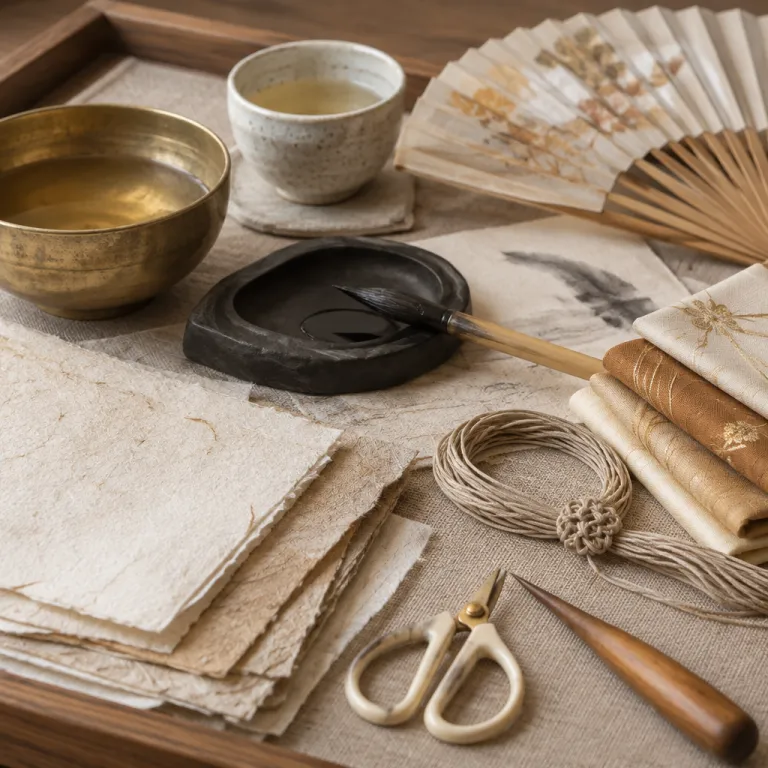
From lobby spectacle to hands-on korean hotel cultural workshop experience
Luxury hotel stays in Korea are shifting from passive viewing to active doing. The most interesting properties in Seoul and beyond now treat every cultural workshop as a core amenity, not a side activity. Guests no longer settle for watching a performance in the lobby when they can sit at the same table, take a brush in hand and shape their own traditional Korean story.
This change runs deep across the country, from glass towers in Seoul to restored hanok compounds in smaller cities, where each hotel curates sessions that feel both personal and quietly educational. Families who travel together want an experience that keeps children engaged, respects grandparents’ comfort and still feels like a genuine window into Korea. A well designed Korean cultural program inside the hotel answers all three needs at once, turning a rainy afternoon into shared memories instead of screen time.
For premium travelers, the new status symbol is not only the largest room or the most dramatic infinity pool, but access to a private session with a respected calligrapher or temple food chef. When you book a stay now, you are often booking a cultural program as much as a bed, especially in Seoul where competition is intense and every luxury hotel wants its own signature workshop style. The smartest guests read cultural offerings as carefully as room categories, because the right mix of traditional Korean activities will shape the rhythm of the entire trip.
What korean hotel cultural workshop experience really means for families
For a premium family, the ideal korean hotel cultural workshop experience balances depth with ease. You want sessions short enough for younger children, yet rich enough that adults feel they have touched something traditional Korean rather than a themed playroom. The best hotels in Korea design their programs around this balance, using flexible time slots and small groups so each guest can work at a comfortable pace.
Typical offerings now include hanbok styling in a quiet house like salon, tea and temple food tastings, ceramics, knot craft and calligraphy, all hosted inside the hotel or in a partner hanok nearby. In Seoul, large properties often pair indoor workshops with weather aware planning, and you can use a refined seasonal guide to align activities with your travel dates. This means that even if rain keeps you from the palace grounds, your family still has a meaningful cultural experience within a few steps of your room.
Parents also value how these workshops turn abstract culture into something literally held in the hand. A child who glazes a celadon cup or folds a traditional Korean lucky pouch will remember the texture and color long after the trip, not just the hotel lobby scent. When you book, ask whether the korean hotel cultural workshop experience is open to different ages, whether private family sessions are possible and how many participants share the space at one time.
From hanok courtyards to sky lounges: where workshops happen
Not every korean hotel cultural workshop experience looks the same, and location inside the property matters more than many guests expect. In Seoul’s high rise luxury hotels, classes often unfold in light filled lounges or repurposed meeting rooms, with floor to ceiling windows framing the city while you learn a traditional Korean craft. The contrast between contemporary architecture and centuries old techniques can be striking, especially for international families seeing Korea for the first time.
Elsewhere in Korea, restored hanok properties use their timber framed courtyards and ondol heated rooms as natural stages for cultural sessions. Here, a tea ceremony or calligraphy class feels anchored in the house itself, because the same style of room once hosted scholars and merchants who lived this culture daily. These stays align closely with the idea of living like a local, and curated K-life hotels now help travelers find addresses where the workshop is woven into the architecture.
Some hotels even extend the korean hotel cultural workshop experience beyond their own walls, partnering with nearby studios where artisans open private spaces to guests. In those cases, the hotel will usually arrange transfers and handle translation, so your travel time becomes part of the narrative rather than a chore. When comparing options, look at photos of the actual workshop room, courtyard or hanok house, because the setting shapes how immersive the experience will feel.
How hotels partner with artisans to give workshops real substance
The difference between a meaningful korean hotel cultural workshop experience and a quick photo opportunity usually comes down to who leads the session. Serious luxury hotels in Korea invest in long term relationships with artisans, temple food specialists and tea masters who already have respected careers outside hospitality. These partners bring their own standards into the hotel, which raises the quality of every class and keeps the content aligned with traditional Korean practice.
In Seoul, you will often find that the same calligrapher who teaches at a cultural center also hosts small group sessions in a hotel lounge, or that a ceramics master opens their studio for private firings after an introductory class. Some properties collaborate with museums or cultural foundations, ensuring that every workshop reflects current scholarship rather than a simplified tourist version. When a hotel describes its cultural program, ask whether the instructor maintains an independent practice, exhibits work or teaches at an institution, because these details signal depth.
Partnerships also shape how accessible the experience feels for international guests who may not speak Korean. Strong programs provide bilingual hosts, printed explanations and time for questions, so you can connect the hands on activity with the broader history of Korea. Before you book, request a sample schedule or outline of the workshop, including how long each segment will take and whether there is space for personal interaction with the artisan.
How to evaluate and book the right korean hotel cultural workshop experience
Choosing the right korean hotel cultural workshop experience starts before you ever step into the lobby. When you compare hotels, read beyond the headline and look for specific details about class size, instructor background, materials used and whether sessions are private or shared. A property that lists clear timings, age guidelines and maximum numbers per room is usually taking the program seriously.
For food focused travelers, it can be helpful to cross check cultural offerings with the strength of the culinary team, using trusted guides to identify properties that already value craft. When a hotel invests in a thoughtful kitchen, it often extends that respect for technique into tea ceremonies, temple food tastings and seasonal market visits. Ask whether your stay can include a combined package, where a cooking class, market tour and traditional Korean dinner are woven into one coherent experience.
Families should also consider how workshops fit into the overall travel rhythm, especially if you are moving between Seoul and other parts of Korea. A morning class in a hanok style house followed by free time in the city can feel more relaxed than stacking multiple sessions back to back. When you book, request written confirmation of dates, times, language support and any personal touches, such as having your child’s name written in calligraphy to take home as a keepsake.
Why hands-on culture is becoming the new luxury amenity
In the past, luxury in a Korean hotel was measured mainly in square meters, thread counts and skyline views. Today, the ability to offer a nuanced korean hotel cultural workshop experience is just as important, because affluent travelers want meaning alongside comfort. A family that spends an hour learning to tie a norigae charm or brew tea in a traditional Korean style often values that time as much as any spa treatment.
This shift reflects a broader change in how international guests relate to Korea, moving beyond K drama locations toward slower, more tactile encounters with daily life. Hotels respond by curating programs that feel personal rather than generic, whether that means a private pottery session in a quiet room or a small group calligraphy class in a hanok courtyard. The most successful properties treat culture as something to be handled gently, with respect for history and space for guests to ask questions.
For premium families, this trend is good news, because it turns the hotel itself into a calm cultural hub between city excursions. Children can engage with Korea through their hands, parents can find depth without complicated logistics and grandparents can participate at their own pace. When you choose a property where the cultural workshop program is thoughtfully designed, you are not just booking a room, you are booking a shared story that will travel home with you.
FAQ
How far in advance should I book hotel workshops in Korea ?
For popular Seoul hotels and well known hanok properties, you should book your korean hotel cultural workshop experience at least two to four weeks before arrival. Private sessions with artisans or temple food chefs often have limited time slots, especially during school holidays. If workshops are central to your travel plans, secure them at the same time you confirm your room.
Are korean hotel cultural workshops suitable for young children ?
Many luxury hotels in Korea design their workshops with families in mind, offering shorter sessions and hands on activities like ceramics, knot craft or simple calligraphy. Always check the recommended age range and ask whether materials and seating are adapted for children. Some properties can arrange private family classes, which allow you to adjust the pace and keep the atmosphere relaxed.
Do I need to speak Korean to enjoy these hotel experiences ?
You do not need to speak Korean, because most high end hotels in Seoul and major destinations provide bilingual staff or interpreters for cultural workshops. Printed explanations and demonstrations help bridge any language gap, especially in visual crafts like pottery or hanbok styling. When you book, confirm which languages are available so every family member feels comfortable.
How can I tell if a workshop is authentic or just a photo opportunity ?
Authentic programs usually name the artisan or institution involved, specify class size and describe the techniques you will learn in some detail. You can ask whether the instructor teaches or exhibits outside the hotel, and whether the workshop takes place in a dedicated room, studio or hanok house. If information is vague or focused only on costumes and photos, the experience may be more about images than substance.
Can non hotel guests join korean hotel cultural workshop experiences ?
Policies vary by property, but some luxury hotels in Korea open selected workshops to outside guests, especially in Seoul where local demand is strong. There is often a higher fee for non residents, and spaces are limited, so advance booking is essential. If you are staying elsewhere, contact the hotel directly and ask whether day visitors can join a specific session.