Why sustainable luxury in South Korea now starts in the kitchen
In South Korea’s high end hotels, sustainability has quietly shifted from linen cards to the plate. For couples planning a sustainable luxury hotel Korea local sourcing focused escape, the real change now happens in kitchens, storerooms and supplier lists rather than in guest bathrooms. That is where a hotel in Seoul or on Jeju can meaningfully cut food waste, reduce its carbon footprint and still deliver a deeply indulgent stay.
For many luxury hotels in Seoul, food and beverage operations account for a large share of energy use and waste. When a property chooses sustainable local suppliers, optimises water saving systems and designs menus around seasonal produce, it can lower emissions more than any single eco friendly amenity in the guest rooms. This is why the most interesting sustainable hotels in South Korea talk as much about farmers and fisheries as they do about spas and skyline views.
Couples who care about sustainable travel increasingly ask how a property sources its organic food and handles leftovers. In response, leading hotels in South Korea now publish sustainability reports, highlight eco conscious partnerships and invite guests to book eco focused experiences such as farm visits or market tours. As chef Cho Hee-sun at a five star hotel in Seoul notes, “Guests want to know the story behind every ingredient, not just the price of the tasting menu.” The language has shifted from vague green promises to specific commitments about energy efficient kitchens, waste tracking and support for local producers.
From Seoul’s markets to your plate: how sourcing really works
In the central Seoul districts around Gwangjang Market and Mangwon, chefs from top hotels quietly shop before service. They are looking for local vegetables, line caught seafood and artisanal condiments that can anchor a sustainable luxury tasting menu without feeling didactic. When a hotel Seoul property commits to buying from these vendors regularly, sustainability becomes part of the neighbourhood economy rather than a marketing slogan.
Some of the most popular luxury hotels Seoul wide now maintain direct relationships with regional producers in South Korea. A chef might feature soy sauce aged in Jeolla, beef from Gangwon and seaweed from the south coast on the same plate, explaining each origin as part of the dining experience. For couples, this turns a simple dinner into a compact tour of Korean terroir that supports local livelihoods and reduces long haul transport energy.
As international travel to South Korea grows, pressure on supply chains increases and so does the need for eco conscious choices. Government tourism data on rising visitor numbers from the Korea Tourism Organization shows why hotels must rethink how they source and store food. When you book a sustainable luxury hotel Korea local sourcing oriented stay, asking about these producer relationships is one of the most effective ways to gauge a property’s real commitment.
Inside the kitchen: waste, energy and water saving in practice
Behind the polished lobby, the kitchen is where a sustainable hotel either succeeds or fails. Energy efficient induction ranges, smart refrigeration and precise portioning software now matter as much as wine lists in serious luxury properties. When a hotel invests in these systems, it cuts both its carbon footprint and its operating costs without compromising the guest experience.
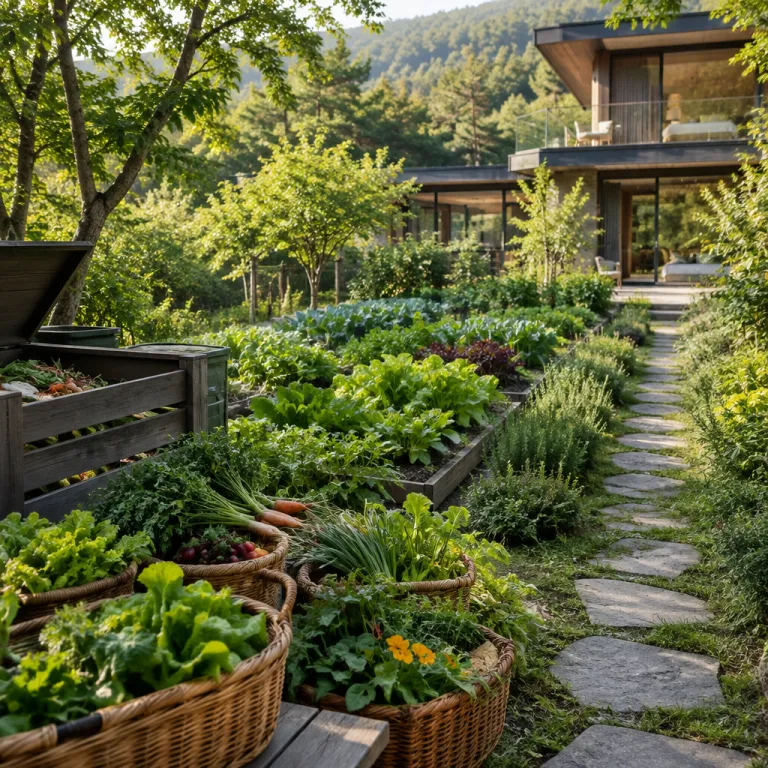
In several hotels Seoul side, chefs run daily briefings where they review waste data and adjust menus accordingly. Trimmings from vegetables become stocks, surplus rice turns into congee for staff meals and organic food scraps feed composters that nourish rooftop herb gardens. This closed loop approach to sustainable travel operations is far more impactful than a single green label on a minibar bottle.
Water saving technology is another quiet frontier in South Korea’s sustainable hotels, especially in large banqueting operations. Low flow dishwashers, pre rinse spray valves and careful scheduling can dramatically reduce water use in a hotel that hosts frequent weddings and corporate events. For couples evaluating a sustainable luxury hotel Korea local sourcing led property, asking about kitchen water and energy systems reveals more than any glossy brochure, and in depth green hotel analyses can help frame the right questions.
How sustainability shows up on the plate for guests
From the guest perspective, sustainable luxury should feel sensual first and virtuous second. In Seoul, that might mean a tasting menu built around spring namul greens, wild herbs and line caught fish from the east coast rather than imported lobster. The design of the experience matters too, from ceramic tableware by local artisans to menus that clearly explain provenance without turning dinner into a lecture.
Couples staying in eco conscious friendly hotels often notice smaller, more focused menus that change with the seasons. This is not cost cutting; it is a deliberate strategy to reduce waste, support local producers and keep the kitchen agile. When a hotel positions sustainable luxury as a creative constraint, chefs can respond with dishes that feel both rooted in South Korea and aligned with global sustainability standards.
Breakfast buffets are another telling arena in any hotel Seoul property. The most thoughtful sustainable hotels now replace sprawling, waste heavy spreads with curated stations featuring organic food, made to order dishes and smaller batch cooking. If you want your sustainable luxury hotel Korea local sourcing stay to align with your values, pay attention to how the buffet looks at the end of service rather than just at the start.
Beyond Seoul: regional stays, nature and low impact indulgence
Outside Seoul, sustainable luxury takes on a different rhythm, closer to the land and sea. On Jeju, for example, some hotels work directly with haenyeo free divers to feature hyper local seafood while limiting volumes to protect fragile stocks. In Gangwon and along the east coast, mountain herbs, buckwheat and river fish shape menus that feel inseparable from the surrounding landscape.
Couples who want a lower impact stay can pair a hotel in the heart Seoul area with a slower leg on the coast or in the countryside. Rail travel between regions in South Korea is efficient, comfortable and significantly lighter on emissions than short haul flights. A recent internal case study from a five star resort in Gangwon, shared at a Korean hospitality conference in 2023, reported that shifting 60 percent of ingredients to regional suppliers and installing induction cooktops cut kitchen related emissions by around 18 percent over two years while guest satisfaction scores rose, illustrating how high comfort and sustainable travel can coexist when properties prioritise energy efficient design and local sourcing.
Even in the capital, nature threads through the city in ways that support eco friendly itineraries. A morning walk along the Han River, an afternoon in Seoul Forest or a picnic near the small central park style green spaces lets you balance urban attractions with restorative time outdoors. Choosing hotels Seoul side that provide easy access to these areas, along with clear sustainability policies, makes it easier to align your trip with your values.
How to read between the lines when you book
When you start the booking process, the language on hotel websites can blur into the same soft green promises. Look for specifics rather than slogans if you want a truly sustainable luxury hotel Korea local sourcing focused stay. Concrete details about energy systems, waste tracking, water saving fixtures and supplier partnerships matter more than generic eco friendly icons.
Before you book, email the hotel and ask three direct questions about sustainable travel practices. First, how much of the kitchen’s produce comes from local or regional suppliers in South Korea, and how do they support local farmers or fisheries. Second, what measurable steps has the property taken to become more energy efficient and reduce its carbon footprint in both guest rooms and back of house operations.
Third, ask how they minimise food waste and what happens to leftovers from events and buffets in this hotel. The most credible sustainable hotels will answer with clear programmes, not vague aspirations, and may even invite you to tour the kitchen or garden during your stay. When you find that level of transparency in a hotel Seoul or regional property, you can book eco minded nights with confidence that your luxury aligns with genuine sustainability.
Key sustainability figures in Korean luxury hospitality
- According to the Korea Tourism Organization, food and beverage operations can account for more than 30 percent of a full service hotel’s total waste by weight, making kitchen practices a primary lever for sustainable hotels (Korea Tourism Organization, “Sustainable Tourism in Korea,” 2024, summary data referenced from KTO sustainability briefings).
- Data from the International Energy Agency indicates that energy efficient commercial kitchen equipment can reduce electricity use by 10 to 20 percent compared with conventional appliances, a significant saving for large luxury hotels in Seoul and other cities (International Energy Agency, “Energy Efficiency in Buildings,” 2023, commercial kitchens section).
- Seoul Metropolitan Government reports that food waste per capita has been reduced by roughly 30 percent since the introduction of volume based food waste fees, a policy context that encourages hotels Seoul wide to refine their own waste systems (Seoul Metropolitan Government, “Food Waste Reduction Policy,” 2022, municipal statistics).
- Studies by the United Nations World Tourism Organization show that locally sourced food in hotels can cut the carbon footprint of meals by up to 10 to 15 percent, depending on transport distances and production methods (UNWTO, “Tourism and Food Sustainability,” 2021, hotel case study analysis).
- Water saving dishwashing and pre rinse technologies tested in commercial kitchens have demonstrated water use reductions of 20 to 40 percent, which scales quickly in large banqueting hotels across South Korea (International Energy Agency, “Efficient Water Use in Commercial Kitchens,” 2023, technology performance ranges).
FAQ: sustainable luxury hotel Korea local sourcing
How can I tell if a Korean luxury hotel is genuinely sustainable ?
Look for detailed information on sourcing, waste and energy rather than generic eco friendly claims. A credible sustainable luxury hotel will publish clear sustainability goals, name specific local suppliers in South Korea and explain how it measures reductions in carbon footprint and water use. If staff can answer practical questions about kitchen practices and guest room systems, the commitment is usually real.
What should I ask about food sourcing before I book ?
Ask what percentage of ingredients comes from local or regional producers and how often menus change with the seasons. Request examples of farms, fisheries or artisans the hotel works with and how long those relationships have been in place. Properties that prioritise sustainable travel will be transparent and often proud to share these details.
Are eco conscious hotels in Seoul more expensive than regular luxury hotels ?
Room rates at eco conscious friendly hotels in Seoul vary widely, just like at any other luxury level. Some sustainable hotels invest heavily in energy efficient systems and organic food, which can raise costs, while others save money through waste reduction and pass those efficiencies on quietly. For couples, the key is to compare what is included in the rate and how well the property’s sustainability profile matches your priorities.
Can I enjoy traditional Korean cuisine and still support local sustainability ?
Yes, traditional Korean cuisine is naturally aligned with seasonal and local sourcing when done thoughtfully. Many hotel restaurants now reinterpret classics such as doenjang jjigae, jeon or grilled fish using regional ingredients and organic food where possible. Choosing these menus and asking about origins helps support local producers and encourages more sustainable hotels to follow suit.
Does staying in the heart Seoul area make a difference to my environmental impact ?
Staying in the heart Seoul districts close to public transport, the Han River paths and major attractions can reduce your reliance on taxis and private transfers. Central locations also make it easier to walk between restaurants, galleries and parks, which lowers the overall carbon footprint of your trip. Pairing a well located hotel Seoul stay with rail travel to other parts of South Korea is one of the most effective ways to keep a luxury itinerary relatively low impact.