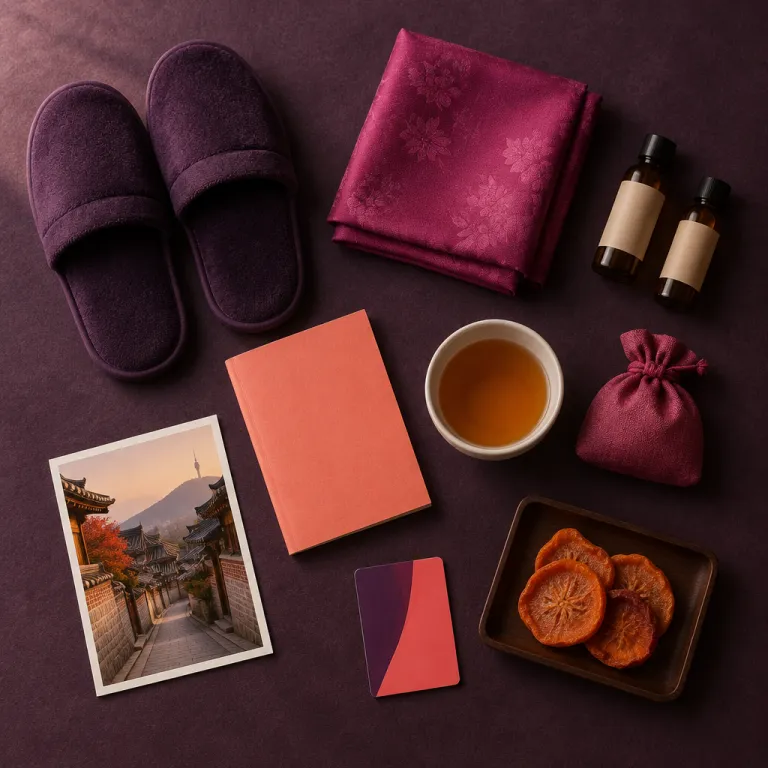
Understanding where to stay in Seoul, South Korea for a refined trip
Choosing where to stay in Seoul, South Korea shapes the entire rhythm of your journey. The city stretches over a vast basin, so the right hotel and neighborhood can save you hours of transit time and elevate every stay. Think of each area as a different chapter in your Seoul story, from royal palaces to neon nightlife.
Central districts such as Myeongdong, Insadong, and the area around Seoul Station work beautifully for first time visitors who want easy access to major sights. These locations offer a dense concentration of Seoul hotels, from discreet luxury to polished mid range properties, all within walking distance of at least one subway station. When you check maps before booking, always note the exact station exit, because in this city a two minute walk can feel very different from a ten minute uphill climb.
For travelers focused on culture, a stay in or near a traditional hanok village such as Bukchon Hanok or Ikseon Dong creates a strong sense of place. These neighborhoods sit between royal palaces and modern galleries, so you can move from a quiet hanok courtyard to a rooftop cocktail bar in a single afternoon. If you prefer a more contemporary mood, Gangnam, Seongsu Dong, and the streets around Hongdae station offer some of the best area choices for design forward hotels and late night dining.
When deciding which stay options make the most sense, start with your daily priorities. If shopping and street food matter most, a hotel with a Myeongdong address keeps you close to markets, while a property near Seoul Station or another major train station works better for day trips. For those planning to continue across South Korea by KTX high speed rail, staying near a key station in the city can turn a complex transfer into a simple elevator ride.
Luxury and premium travelers often ask where to stay in Seoul, South Korea to balance privacy with access. In practice, that means choosing hotels on quieter side streets that remain within walking distance of a busy subway station, so you can slip between calm and energy whenever you like. Check not only the star rating but also the exact neighborhood block, because a serene lane in Itaewon or Gangnam can feel worlds apart from the main road just one corner away.
Myeongdong, Insadong, and Seoul Station as a polished central base
For many visitors, the best answer to where to stay in Seoul, South Korea starts with the triangle of Myeongdong, Insadong, and Seoul Station. This central band of the city offers quick access to palaces, Namsan Park, and major shopping streets, while still keeping airport and train station transfers simple. If you want to stay in comfort without sacrificing convenience, this area deserves a close check.
Myeongdong is often considered the best area for travelers who want a lively atmosphere from morning to late evening. A hotel in Myeongdong places you near department stores, underground malls, and casual eateries, and many hotels here are within easy walking distance of Myeongdong subway station exits 5 to 8. Premium and mid range Seoul hotels in this neighborhood tend to offer compact but efficient rooms, so you spend more time outside and use the hotel as a polished retreat.
Insadong, by contrast, feels calmer and more traditional, making it a refined choice for guests who value galleries and teahouses. Staying in this neighborhood means you can walk to Bukchon Hanok, the main royal palaces, and the charming alleys of Ikseon Dong within a short time. When you check hotel options here, look for properties that highlight hanok inspired design details, because they subtly echo the nearby hanok village architecture without sacrificing modern comfort.
The area around Seoul Station works especially well if your Seoul itinerary includes multiple train journeys across South Korea. A hotel near this major train station allows you to roll your luggage directly from the KTX platforms to your room in minutes, which is invaluable after a long travel day. For an elegant base that connects easily to hidden neighborhoods, a stay at Roynet Hotel Seoul Mapo places you one subway stop from Seoul Station while keeping you close to the creative streets of Seongsu Dong and Hongdae.
Whichever of these central districts you choose, pay attention to the exact subway station and station exit listed in the hotel description. Being within a five minute walking distance of a major line can cut your daily transit time significantly and make spontaneous detours across the city feel effortless. Map your top three sights and then select hotels that minimize backtracking between Myeongdong, Insadong, and Seoul Station.
Gangnam, Seongsu Dong, and southern Seoul for contemporary luxury
Travelers who ask where to stay in Seoul, South Korea for a sleek, modern atmosphere often gravitate south of the river. Gangnam and its neighboring districts offer some of the city’s most polished hotels, with easy access to business hubs, upscale shopping, and fine dining. This part of the city feels different from the historic core, so your stay will naturally lean toward contemporary experiences.
Gangnam itself is a broad area, so choosing the right micro neighborhood matters as much as the hotel brand. Properties near Gangnam subway station or Sinnonhyeon station place you close to nightlife and restaurants, while hotels closer to COEX or Samseong station feel more corporate and spacious. For many guests, the best area in southern Seoul balances quick subway station access with quieter side streets, so you can step away from the main road when you return to your room.
Seongsu Dong, sometimes called the “Brooklyn of Seoul”, has transformed from an industrial zone into a creative neighborhood filled with cafés, galleries, and concept stores. Staying here suits travelers who want to explore Seoul’s hidden gems rather than only the classic sights, and the area’s mid range and premium hotels reflect that creative energy. When you check options in Seongsu Dong, look for properties within walking distance of Seongsu or Seoul Forest stations, because that keeps the rest of the city within easy reach.
Southern Seoul also includes more residential pockets that work well for longer stays, especially if you value calm evenings. A refined example is the urban retreat described in this guide to Shilla Stay Seocho in southern Seoul, which illustrates how a carefully chosen hotel can feel both connected and secluded. For guests planning a trip that mixes business meetings with leisure time, such locations allow you to move between appointments in Gangnam and relaxed dinners in nearby neighborhoods without long commutes.
When comparing Seoul hotels south of the river, consider how often you plan to cross back to Myeongdong, Insadong, or Hongdae. If your itinerary focuses mainly on southern districts, staying near a key station exit in Gangnam or Seongsu Dong will save time and taxi costs across South Korea. Use travel time estimates in mapping apps as a final check before confirming your preferred base in this part of the city.
Hongdae, Itaewon, and creative neighborhoods for nightlife and culture
Some travelers asking where to stay in Seoul, South Korea care most about nightlife, live music, and late cafés. For them, Hongdae and Itaewon stand out as compelling bases, each with a distinct personality and mix of hotels. These neighborhoods also connect well to other parts of the city, so you can enjoy energetic evenings without sacrificing daytime sightseeing.
Hongdae, anchored by Hongik University and Hongdae station, is known for street performances, independent shops, and a youthful atmosphere. The area offers a wide range of Seoul hotels, from stylish mid range properties to compact design focused rooms that prioritize public spaces over large suites. If you stay within walking distance of Hongdae station exits 8 or 9, you gain direct access to the airport railroad, which simplifies both arrival and departure for international guests.
Itaewon, by contrast, has a more international flavor, with embassies, global restaurants, and a diverse nightlife scene. Staying in this neighborhood suits travelers who enjoy mixing Korean dining with cuisines from across South Korea and beyond, all within a short walk of their hotel. When you check hotel options here, pay attention to the hillier streets and consider how comfortable you feel with evening walks back from Itaewon station, especially if you prefer a quieter side street.
Both Hongdae and Itaewon work well as bases for exploring lesser known corners of the city, including emerging areas like Ikseon Dong and Seongsu Dong. A carefully chosen hotel in these neighborhoods can keep your commute to central sights reasonable while still offering a strong sense of local character during your stay. Balance your time between the busy main roads and smaller alleys, because many of the best cafés, bars, and galleries hide just off the obvious paths.
For guests planning a longer Seoul city break, combining a few nights in Hongdae or Itaewon with a second stay in a more traditional area such as Insadong or near a hanok village can create a richer experience. This approach allows you to sample different sides of the city without changing countries or even leaving South Korea’s capital. When you decide how to divide your nights between neighborhoods, think about how your energy levels shift over time and plan your liveliest base for the first part of the journey.
Hanok villages, Bukchon Hanok, and Ikseon Dong for heritage stays
Guests who ask where to stay in Seoul, South Korea for a sense of history often find their answer in the city’s hanok districts. A hanok is a traditional Korean house built around courtyards, and staying in or near a hanok village offers a quieter, more atmospheric experience. These areas sit close to central sights yet feel surprisingly removed from the city’s faster rhythms.
Bukchon Hanok lies between two major palaces and remains one of the most photographed neighborhoods in the city. While many of the houses function as private residences, the surrounding streets host refined guesthouses and small hotels that echo hanok design elements. If you stay in this area, you can walk to Insadong, Ikseon Dong, and key palace gates within a short time, which makes it a strong candidate for the best area for culture focused travelers.
Ikseon Dong, once a quiet residential pocket, has evolved into a maze of narrow alleys lined with cafés, restaurants, and design shops housed in renovated hanok buildings. Hotels and guesthouses here tend to be smaller in scale, with a mix of mid range and premium options that emphasize atmosphere over grand lobbies. When you check availability, look for properties that specify their walking distance to Jongno 3 ga subway station, because that station connects multiple lines and shortens your daily travel time across Seoul and South Korea.
Staying near a hanok village does not mean sacrificing modern comfort, especially if you choose carefully. Many Seoul hotels in these neighborhoods blend underfloor heating, contemporary bathrooms, and soundproofing with traditional materials such as wood and stone. Read recent guest reviews that mention noise levels and room size, because hanok inspired buildings can vary more than standard high rise hotels.
For travelers planning a longer trip, combining a few nights in Bukchon Hanok or Ikseon Dong with time in Myeongdong or Gangnam creates a balanced itinerary. This mix allows you to experience both the historic and contemporary sides of the city without changing your overall base in South Korea. When you decide how to sequence your stays, consider starting in a central hotel near Seoul Station or Myeongdong, then moving into a hanok neighborhood once you feel comfortable navigating the city.
Planning your stay: transport, timing, and quiet luxury beyond Seoul
Once you have narrowed down where to stay in Seoul, South Korea, the next step is aligning your hotel choice with transport and timing. The city’s subway network is extensive, so proximity to a subway station often matters more than being directly on a main road. A hotel that sits three minutes from a station exit can feel far more convenient than one on a busy avenue but ten minutes away on foot.
When you check maps, focus on the exact walking distance between your hotel and the nearest station exit, not just the station name. In hilly neighborhoods such as Itaewon or around Namsan Park, a short distance on the map can involve steep climbs, which may affect how you plan your daily routes. For travelers carrying heavy luggage or traveling with children, staying near Seoul Station or another major train station can significantly reduce stress at both the beginning and end of the journey.
Timing also influences accommodation decisions, especially during peak cherry blossom or autumn foliage seasons. Central areas like Myeongdong, Insadong, and Hongdae book out quickly, so premium and mid range rooms with the best views or quietest corners disappear first. Confirm flexible rates where possible, so you can adjust your plans if your international flights or domestic connections across South Korea change.
Many visitors pair a city stay with time on the coast or in nature, using Seoul as a gateway. If you are considering a wellness focused extension, this guide to Jeju volcanic wellness and quiet luxury in the off season shows how easily you can transition from a hotel in Seoul to a resort environment. Planning your bookings with these onward journeys in mind ensures smooth transfers between city, island, and other parts of South Korea.
Across all these choices, the most successful itineraries combine a clear sense of neighborhood character with practical details such as station access and walking distance. Whether you choose a hanok inspired stay near Bukchon Hanok, a sleek tower in Gangnam, or a creative base in Seongsu Dong or Hongdae, align your hotel with how you actually like to spend your time. That is ultimately how you turn the question of where to stay in Seoul, South Korea into a stay that feels both effortless and deeply personal.
Key statistics about Seoul travel and hotel stays
- Official tourism data from the Seoul Metropolitan Government shows that in the last pre pandemic years the city welcomed well over ten million international visitors annually, underscoring why early hotel bookings in popular areas like Myeongdong and Hongdae are essential during peak seasons. (Figures current as of 2019 reports.)
- Public transport surveys from Korean authorities consistently indicate that a clear majority of international visitors rely on the subway as their primary mode of transport in the city, which highlights the importance of choosing a hotel within a short walking distance of a major subway station. (Trends reported up to 2019.)
- Research on inbound travelers to South Korea shows that most first time visitors stay in central districts such as Myeongdong, Insadong, and the area around Seoul Station, while repeat visitors increasingly choose neighborhoods like Seongsu Dong and Ikseon Dong for a more local experience. (Patterns observed in pre pandemic visitor surveys.)
- Average hotel occupancy rates in central Seoul often climb sharply during major holidays and festival periods, which can push premium and mid range room prices up compared with shoulder seasons. Booking early or targeting weekdays can help secure better value.
- Data from Korail and KTX operators confirms that Seoul Station handles a very high volume of high speed train departures each day, making hotels near this train station particularly attractive for travelers planning multi city itineraries across South Korea. (Service levels based on schedules current to 2023.)
FAQ about where to stay in Seoul, South Korea
What is the best area to stay in Seoul for first time visitors ?
For first time visitors, the best area usually lies between Myeongdong, Insadong, and the streets around Seoul Station. These neighborhoods offer easy access to major sights, strong transport links, and a wide range of Seoul hotels from mid range to luxury. Staying here keeps travel times short while you learn the layout of the city.
Where should I stay in Seoul for nightlife and restaurants ?
Hongdae and Itaewon are excellent choices if nightlife and dining are priorities. Hotels near Hongdae station place you close to live music venues and late cafés, while Itaewon offers a more international restaurant scene. Both neighborhoods connect well to other parts of Seoul via the subway.
Is it worth staying in a hanok village in Seoul ?
Staying near a hanok village such as Bukchon Hanok or Ikseon Dong can be very rewarding if you value atmosphere and heritage. These neighborhoods place you close to palaces and traditional streets while still offering modern comforts in carefully renovated properties. They work especially well when combined with a second stay in a more contemporary district like Gangnam.
How important is being close to a subway station in Seoul ?
Proximity to a subway station is one of the most important factors when choosing a hotel in Seoul. Being within a five minute walk of a major station exit can significantly reduce daily travel time and taxi costs. This is especially true if you plan to visit multiple neighborhoods across the city during your stay.
Should I stay near Seoul Station if I plan to travel around South Korea ?
If your itinerary includes several KTX or regional train journeys, staying near Seoul Station is highly practical. Hotels in this area allow quick transfers between your room and the train platforms, which is helpful with luggage or early departures. It also keeps you well connected to the rest of the city via multiple subway lines.