How branded residences in South Korea redefine the luxury hotel stay
In South Korea, the phrase branded residences now signals a shift in how high end travelers use a luxury hotel. A branded residence is a private apartment or serviced residence that sits within or beside a hotel, managed by the same hospitality brand and often sharing the same wellness, dining and concierge services. For frequent visitors to Seoul or Jeju, this means a stay that feels like a private home yet runs on the precise systems of an international hotel.
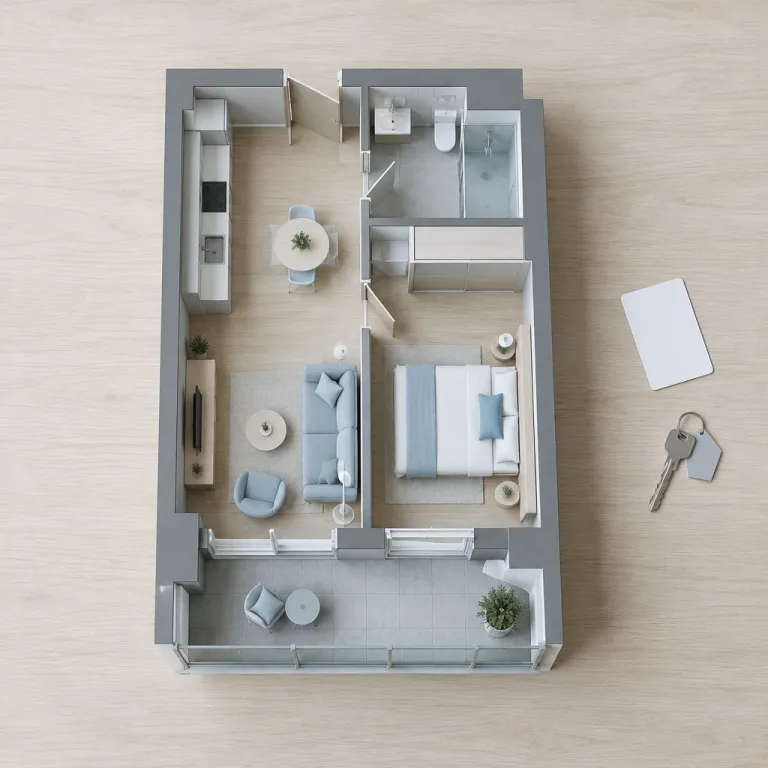
At its core, a branded residence in South Korea is a real estate product that borrows the standards, design language and guest experience playbook of luxury hotels. Owners or long term tenants live in private residences while enjoying access to the hotel’s spa, restaurants, housekeeping and sometimes even the same butler équipe that handles top suites. For business leisure travelers, this hybrid model turns a familiar hotel resort into a long term base in Korea, with the same room number, the same barista and the same front desk team greeting them on every trip.
Projects such as Rosewood Seoul beside Yongsan Park, announced with a planned opening around the mid 2020s and developed in partnership with local real estate groups, show how global luxury brands now treat Seoul as a core Asia Pacific hub. The branded properties model is already common in parts of Southeast Asia, from Thailand to the Philippines and Singapore, and is now moving north into South Korea with serious momentum. For travelers comparing hotels versus residences, the key difference is that a branded residence is designed for longer stays and repeat visits, while still plugging directly into the city’s most polished luxury hospitality infrastructure.
Inside the guest experience: where hotel life and residential living meet
Staying in a branded residence in South Korea feels different from booking even the best luxury hotels. You enter through a quieter lobby, often with its own security and reception, yet a short internal corridor connects you to the main hotel, its restaurants and its wellness floor. The result is a layered guest experience where you can host a private board call in your residence at 07:00, then walk three minutes to a hotel bar that understands your usual single malt order.
From an owner side perspective, the appeal lies in having a property that behaves like a private apartment but is supported by a full hospitality back end. Housekeeping can be scheduled like a hotel stay, room service arrives on porcelain rather than in cardboard, and the spa therapists know your preferences because the CRM system treats you as a long term guest. For travelers who rent these residences rather than buy, typical service packages might include weekly cleaning as standard, with options to upgrade to daily housekeeping, in residence dining and airport transfers, which together create consistent service every time they return to Korea, whether for a week of meetings in Seoul or a month working remotely from a coastal hotel resort.
Amenities are where the overlap between hotels and residences becomes most visible, especially in integrated resorts. In Korea’s large hotel resorts, residence guests often share pools, gyms and sometimes even members only lounges with hotel guests, which creates a social energy that pure residential properties rarely match. If you are curious about how this plays out in gaming led complexes, look at how Korea’s integrated resorts blend casinos with five star stays and residence style privacy, a model explored in depth in our guide to integrated resorts where gaming meets five star hospitality.
Why frequent Korea travelers are embracing hotel branded residences
For executives who treat Seoul as a second office, branded residences in South Korea solve a familiar problem. Traditional hotels are excellent for short trips, but they rarely feel like a stable address when you are in the city every month, while conventional rental properties lack the service layer that makes business travel efficient. A branded residence bridges that gap by offering long term stability with hotel level hospitality, from airport transfers to dry cleaning handled without a single app download.
Many of the strongest branded residence offerings sit within mixed use towers that combine offices, retail, hotels and residences in one vertical village. In these properties, you might hold meetings in a hotel lounge in the morning, host clients for dinner at a signature restaurant and then retreat to a residence that feels like a private pied à terre above the skyline. For travelers who split their time between Korea, Japan and other Asia Pacific hubs, this consistency across hotel brands creates a personal network of addresses that function almost like a global luxury club.
The trend is not limited to Seoul, even if the capital remains the most competitive residences market in South Korea. Jeju’s upcoming Janu project by Aman, announced with a hotel resort and branded residences component and reported unit counts in the low hundreds, points to a future where coastal and wellness focused properties also offer long term residential options. As visitor numbers rise and luxury real estate tightens, as outlined in our analysis of what Korea’s record summer means for luxury hotel bookings, these hybrid models give repeat guests priority access to rooms, services and even restaurant reservations.
How Korea fits into the global branded residence market
South Korea’s move into branded residences does not happen in isolation; it is part of a broader Asia Pacific and global luxury pattern. For years, cities such as Hong Kong, Singapore and key destinations in Southeast Asia have used branded residence projects to anchor new districts and attract international capital. Now Seoul joins that conversation, with hotel brands positioning the city alongside Japan and other mature markets as a core stop on the branded residence map.
From a market perspective, the logic is clear. A luxury hotel with an attached branded residence component can diversify revenue, smooth seasonality and deepen loyalty by turning transient guests into long term residents who treat the property as a primary or secondary home. For travelers, this means that when you choose a hotel in Korea that sits within a mixed use development, you are often stepping into a larger real estate ecosystem designed to keep you within the brand’s orbit for years.
Regional comparisons are instructive, even if each country’s regulations and culture differ. In Malaysia, the Philippines and Singapore, branded residences have become a familiar part of the urban skyline, often tied to international hotel names that also operate hotel resorts across Asia Pacific. Hong Kong shows how dense cities can stack hotel, residences and retail into a single property, a model now echoed in Seoul’s most ambitious developments and examined in our feature on why every major luxury brand is building in South Korea.
What to ask before booking or buying into a Korean branded residence
When you consider a stay in a branded residence in South Korea, the first question is how the service package compares with the main hotel. Some residences operate almost like extended stay hotels, with daily housekeeping, full access to wellness facilities and priority restaurant bookings, while others offer a lighter touch with weekly cleaning and à la carte services. Clarify whether residence guests use the same spa, pool and lounges as hotel guests, or whether there are separate zones and different levels of access.
Minimum stay requirements are another key point, especially for business leisure travelers who may split time between Korea and other Asia Pacific cities. Some branded residences allow short stays of three to seven nights, while others focus on long term leases measured in months, which can change the economics compared with traditional hotels. If you are thinking about ownership rather than rental, ask for a clear report on service charges, reserve funds and how the owner side governance works, including voting rights and any restrictions on renting your unit when you are abroad.
Finally, pay attention to how the property positions residence guests within the overall hospitality ecosystem. In the best run hotels and residences, staff are trained to treat long term residents with the same attentiveness as suite guests, while also respecting their privacy and routines. A simple checklist helps: confirm how check in is handled, whether there is a residence only lounge, how quickly maintenance requests are resolved and how efficiently the residence entrance connects to shared amenities, so the property supports rather than disrupts your daily rhythm.
FAQ
What exactly is a branded residence in South Korea ?
A branded residence in South Korea is a residential unit that is serviced and managed by a hotel brand, usually located within or directly connected to a luxury hotel property. Residents or long stay guests access many of the same amenities as hotel guests, including wellness facilities, concierge services and sometimes in residence dining. The model combines real estate ownership or long term rental with the consistency and service culture of luxury hospitality.
How is staying in a branded residence different from a luxury hotel suite ?
A branded residence typically offers more space, a full kitchen and storage designed for long term living, while a hotel suite focuses on short stay comfort. Residence guests often have separate lobbies and dedicated staff, yet they can still use the hotel’s restaurants, spa and public areas. For frequent travelers to Seoul or other Korean cities, this creates a stable address that feels more like a private apartment than a temporary room.
Who should consider a branded residence when traveling to Korea ?
Branded residences suit business leisure travelers who visit Korea regularly, remote workers planning multi week stays and individuals exploring a second home in Asia. Families who need more space than standard hotel rooms can also benefit from residential layouts and laundry facilities. Guests who value consistent service across multiple countries may prefer branded residences tied to international hotel brands they already use in Japan, Hong Kong or Singapore.
Are branded residences in Korea only for buyers, or can I rent one ?
Many branded residences in South Korea are sold to individual owners, but a portion of units is often available for rental, either directly through the hotel or via approved operators. Some projects focus on long term leases of several months, while others allow shorter stays that resemble extended hotel bookings. When you plan a trip, check whether the residence wing accepts transient guests or is reserved solely for owners and their approved tenants.
What should I check before booking a stay in a Korean branded residence ?
Before you book, confirm which hotel amenities are included, how housekeeping works and whether residence guests receive the same loyalty benefits as hotel guests. Ask about minimum stay rules, any extra fees for parking or wellness access and how check in is handled for late night arrivals. If you are comparing several properties, pay close attention to location, design quality and how well the residence layout matches your daily routine in Korea.