Where to stay in Seoul for a luxury first visit
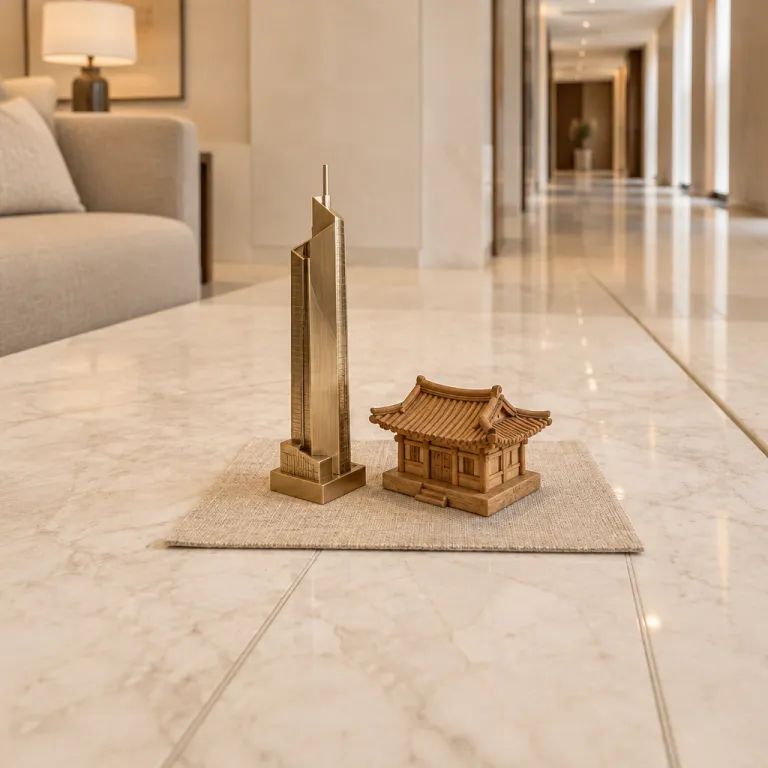
Choosing where to stay in Seoul shapes every hour of your trip. The real question is not only whether you base yourself in Gangnam or the historic center around Jongno, but which neighborhood philosophy matches your style. Think of the city as two distinct stages, with Gangnam’s neon towers facing the old city’s palace roofs.
On one side of the Han River, Gangnam is polished, vertical and relentlessly current. Across the water, Jongno, Jung-gu and the surrounding old city area wrap you in traditional Korean architecture, palace walls and narrow street scenes. Both areas offer exceptional hotels, yet the experience of staying in each district feels very different once you unpack your bags.
For a couple planning where to stay, Seoul can feel overwhelming at first glance. You see names like Myeongdong, Insadong, Itaewon, Seongsu and Seoul Forest on the subway map and every area claims to be the best. The key is to decide whether your hotel should sit inside the historic core or in the modern business and shopping grid south of the river.
Gangnam: glass towers, flagship shopping and polished luxury
Gangnam is the Seoul you have seen in K dramas and glossy brand campaigns. This is where to stay if you want a hotel Seoul experience framed by skyline views, rooftop bars and quick access to designer shopping. The advantages of a Gangnam base start with convenience for business, nightlife and high end retail.
Major luxury hotels cluster around key subway station hubs such as Gangnam Station, Samseong Station near COEX and the Teheran-ro business corridor. From a practical perspective, this part of the city works well if you are flying in and out frequently, meeting clients or planning day trips across South Korea. Many couples like that the best area for late dinners and cocktails is often within walking distance of their lobby.
When you compare a modern Gangnam stay with a more traditional Jongno luxury base, Gangnam wins for contemporary design and international style. Properties such as Grand InterContinental Seoul Parnas or Park Hyatt Seoul lean into floor to ceiling glass, urban spa facilities and polished service. The trade offs include longer subway rides to palaces and hanok village districts, plus a city feel that can seem less traditional.
The old city: Jongno, Jung-gu and the pull of history
North of the Han River, the old city is where Seoul’s layers of history sit within a compact, walkable grid. Jongno, Jung-gu, Insadong and Myeongdong form a dense area that suits couples who want culture first and shopping second. When you ask where to stay for a first trip, this is usually my answer.
From many hotels in Jongno or Jung-gu, you can reach Gyeongbokgung Palace, Bukchon hanok lanes and Insadong’s galleries within easy walking distance. This is the best area if your idea of luxury includes quiet morning walks through a traditional Korean hanok village before returning to a refined hotel breakfast. You trade some of Gangnam’s late night energy for lantern lit street corners, temple courtyards and smaller subway station hubs that feel more local.
Properties range from international names to intimate hanok conversions, though you should avoid any listing that loosely calls itself a boutique hotel without clear service standards. When comparing a central Jongno stay with a Gangnam hotel, the benefits of the old city include immediate access to Bukchon hanok viewpoints, Seoul Insadong tea houses and Myeongdong’s food streets. The downsides are fewer river views and slightly older hotel stock, though recent renovations have raised the bar.
Hidden gems: hanok lanes, Seongsu warehouses and Seoul Forest
Once you have chosen where to stay, Seoul rewards curiosity beyond the obvious icons. Couples who base themselves in the old city can wander from Bukchon hanok rooftops down to quieter side street cafés behind Insadong, where traditional Korean craft studios sit beside minimalist dessert bars. These pockets feel like the city’s private living room, especially in the early evening.
On the east side of the river, Seongsu has evolved from a shoe making district into one of the best area choices for design focused cafés, galleries and concept stores. From a Gangnam hotel, Seongsu is just a few subway stops away, and you can easily combine it with an afternoon in Seoul Forest’s riverside parklands. This is where the simple Gangnam versus Jongno question becomes less binary, because both sides of the river feed into these emerging neighborhoods.
If you are drawn to hanok architecture but prefer hotel level comfort, consider splitting your time between a central hotel and a refined hanok stay elsewhere in South Korea. Our guide to elegant hanok stays in South Korea highlights properties that balance traditional design with modern amenities. That way, your main hotel Seoul base can remain practical for subway access while you still experience the intimacy of a hanok village setting.
Transit, airport access and getting around the city
Seoul’s subway network is the quiet hero of any luxury stay. Whether you choose Gangnam or the old city, a nearby subway station matters more than almost any other urban detail. When evaluating where to stay, check walking distance to at least two lines for flexibility.
From Gangnam, Airport Limousine buses and direct subway routes make Incheon and Gimpo transfers straightforward, especially for business travelers. The advantages here include quick access to COEX, express buses to other parts of South Korea and easy connections to Itaewon or Seongsu for dinner. The main drawback is slightly longer rides to Jongno’s palaces and Bukchon hanok viewpoints, though journeys remain manageable.
In the old city, stations such as Jonggak, City Hall, Anguk and Myeongdong place you at the center of the network. This is ideal if your itinerary leans toward Seoul Insadong galleries, palace tours and day trips by train from Seoul Station. When weighing a Gangnam hotel against a Jongno luxury stay, remember that both sides of the Han River are well linked, so you can sleep in one area and play in the other.
Matching your base to your travel style
Think about your days in terms of mood rather than just a list of sights. If your perfect stay Seoul experience means late dinners, rooftop cocktails and designer shopping, Gangnam or nearby COEX corridors will feel natural. Couples who enjoy hotel centric evenings often appreciate that many of the best restaurants sit inside or directly beneath major hotels.
For travelers who want to wake up near palace walls, hanok village alleys and traditional Korean tea houses, Jongno and Jung-gu are the best area choices. Here, you can step from your hotel into quiet morning streets, then walk to Bukchon hanok viewpoints, Seoul Insadong galleries and Myeongdong’s department stores. The benefits of this part of the city include shorter transit times to most first visit highlights and a stronger sense of historical context.
Fans of K pop or contemporary culture might prefer a hybrid strategy, pairing a Gangnam base with evenings in Seoul Itaewon or Seongsu. Our feature on the luxury side of K pop tourism in Seoul outlines how to weave concerts, cafés and filming locations into a refined itinerary. When you frame the Gangnam versus Jongno decision as a lifestyle choice, the answer becomes clearer.
Split stays, specific hotels and nuanced neighborhood choices
For trips longer than three nights, a split stay can deliver the best of both worlds. Start in the old city, then shift to Gangnam once you have walked the palaces, hanok lanes and central markets. This approach softens the limitations of any single area while amplifying the strengths of each.
In the old city, look for a hotel Seoul option near City Hall, Myeongdong or Anguk for easy subway access and short walks to major sights. Properties such as Four Seasons Hotel Seoul, Lotte Hotel Seoul and Shilla Seoul offer strong service, refined rooms and reliable concierge teams. For something more intimate, Hotel Daam in Jongno places you close to Bukchon hanok viewpoints and Seoul Insadong streets without sacrificing comfort.
South of the Han River, Park Hyatt Seoul and Andaz Seoul Gangnam anchor the luxury scene with strong spa programs and excellent dining. If you want to explore characterful neighborhoods beyond the obvious, our guide to elegant places to stay in Seoul’s most characterful neighborhoods highlights options near Seongsu, Seoul Forest and Itaewon. Whether you choose a large international property or a smaller design focused hotel, avoid any listing that uses the term boutique hotel loosely without clear service details.
Key figures for planning a luxury stay in Seoul
- Average travel time between central Gangnam Station and Jongno 3 ga Station on the subway is around 25 to 30 minutes, which makes cross river dinners realistic even on short stays (Seoul Metropolitan Government data; see official transit planner at topis.seoul.go.kr).
- Incheon International Airport handles tens of millions of passengers annually, and Airport Railroad Express trains connect Incheon to central Seoul Station in about 43 minutes, offering a reliable baseline for arrival planning (airport operator data via arex.or.kr).
- Seoul’s subway network includes more than 20 lines and hundreds of stations, meaning that choosing a hotel within 500 to 800 meters of a subway station significantly reduces daily transit time (Seoul Metro statistics; route maps available at seoulmetro.co.kr).
- The Han River park system stretches for more than 40 kilometers through the city, so a hotel within a short taxi ride of the river gives easy access to cycling paths and evening walks (Seoul city planning reports; overview at english.seoul.go.kr).
FAQ about choosing between Gangnam and the old city
Is Gangnam or Jongno better for a first time luxury stay in Seoul ?
For a first visit, Jongno and the surrounding old city usually work better because you are within walking distance of palaces, Bukchon hanok lanes, Insadong and Myeongdong. Gangnam suits repeat visitors or travelers focused on business, shopping and nightlife. Many couples choose a split stay to experience both sides of the Han River.
Which area is best if I want a traditional Korean atmosphere ?
The old city north of the river, especially Jongno, Bukchon hanok village and Seoul Insadong, offers the strongest traditional Korean atmosphere. Here, you can sleep near hanok rooftops, temple courtyards and narrow street cafés. Gangnam feels more international and contemporary, with fewer historic buildings.
Are luxury hotels in Gangnam more expensive than in the old city ?
Rates fluctuate by season, but top tier properties in Gangnam and the old city are broadly comparable. You may find slightly higher prices around COEX and major business corridors in Gangnam during weekdays. In the old city, prices can spike during holidays when demand for palace and hanok village access increases.
How important is being close to a subway station in Seoul ?
Proximity to a subway station is one of the most important factors when choosing where to stay. A hotel within 5 to 10 minutes walking distance of at least one major line will save you time and taxi costs. This applies equally in Gangnam, Jongno, Myeongdong, Itaewon and emerging areas like Seongsu near Seoul Forest.
Can I visit Itaewon, Seongsu and Seoul Forest easily from either base ?
Yes, Seoul’s subway and taxi network make Itaewon, Seongsu and Seoul Forest accessible from both Gangnam and the old city. From Gangnam, Seongsu and Seoul Forest are particularly convenient, while from Jongno you will reach Itaewon and central shopping districts quickly. Your choice of base shapes the feel of your evenings more than your ability to reach specific neighborhoods.