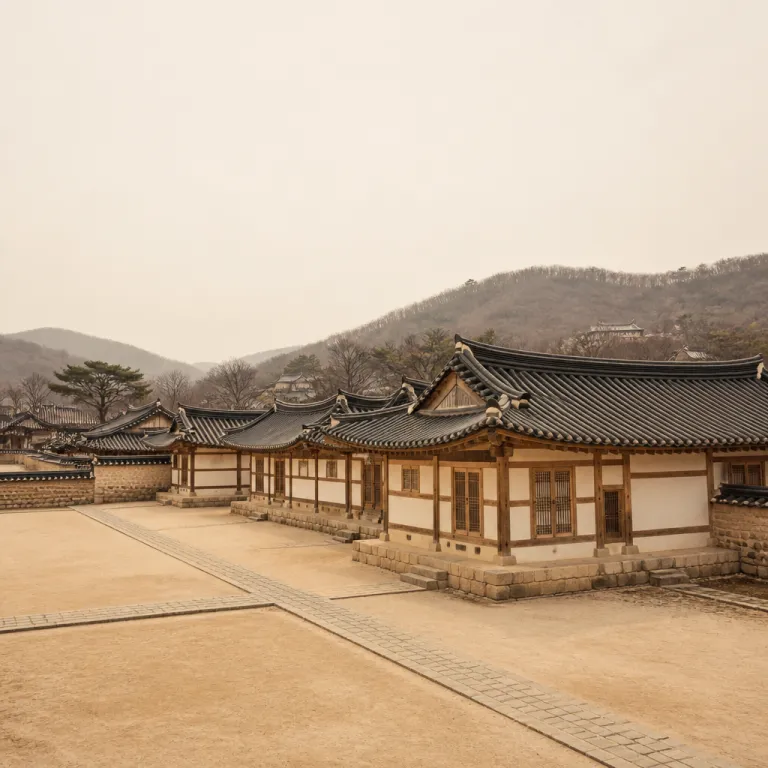
Hanok stays in South Korea for refined cultural immersion
Hanok stays in South Korea offer guests a rare balance of serenity and access. These traditional Korean houses place your stay inside living neighborhoods, not behind a generic hotel façade. For travelers planning a premium journey through Korea, they create a narrative that connects architecture, food, and daily life.
Across South Korea, hanok accommodations range from intimate family-run homes to polished luxury estates with curated cultural programs. The main appeal is simple yet powerful: you sleep in a traditional hanok with creaking wooden floors, paper-lined doors, and courtyards that frame the sky. Modern comforts such as private bathrooms, air conditioning, and heated floors are now standard in most high-end hanok accommodation, especially in Seoul and Jeonju.
In Seoul, the most coveted hanok village areas sit around Bukchon and Jongno, where tiled roofs cascade down the hills between Gyeongbokgung and Changdeokgung Palaces. Guests stay within walking distance of galleries, tea houses, and Michelin-listed restaurants, yet nights remain surprisingly quiet. Outside the capital, a Jeonju hanok village stay lets guests experience a slower rhythm, with lantern-lit lanes and traditional Korean eateries serving breakfast-included menus built around seasonal produce.
Choosing between Seoul, Bukchon, and Jongno for your hanok stay
Location shapes every hanok stay, especially in a dense city like Seoul. The Bukchon hanok area sits on a ridge between two royal palaces, and many hanok accommodations here overlook tiled roofs that glow softly at dusk. Streets can feel busy by day, but from evening to early morning the village atmosphere returns and guests stay in near silence.
Jongno Seoul offers a slightly different experience: here, traditional hanok lanes intersect with lively food alleys and contemporary cafés. A hanok accommodation in this district suits travelers who want to book a stay that combines heritage with nightlife, while still enjoying air conditioning, strong Wi‑Fi, and refined rooms. For a deeper look at a hanok stay in Seoul for a refined immersion in Korean elegance, you can explore a detailed guide on staying in a hanok in Seoul or consult official Seoul Tourism Organization resources for current neighborhood insights.
When you compare Bukchon and Jongno, consider how you move through the city and what you expect from your accommodation. Bukchon hanok properties often sit on steeper lanes, so area guests should be comfortable with short uphill walks to reach their rooms. Jongno Seoul hanok stays, by contrast, usually offer easier access to subway lines, with many properties sitting within a 5–10 minute walk of stations, making them ideal for a multi-day itinerary across Korea that starts in the capital and continues to regional hanok villages.
Jeonju hanok village and regional hanok experiences
Jeonju hanok village is the country’s flagship traditional quarter outside Seoul, and it rewards guests who linger. More than eight hundred traditional hanok houses cluster along narrow streets, many converted into refined hanok accommodations with polished wood, crisp bedding, and carefully restored courtyards. Staying here turns a simple night’s rest into a layered cultural experience, especially when you pair it with temple visits and slow walks past the old Confucian school.
A Jeonju hanok stay suits travelers who value atmosphere over speed, because the village encourages you to slow down and follow the rhythm of local life. Many properties include a traditional Korean breakfast in the room price, often featuring rice porridge, seasonal banchan, and local tea. For guests planning a longer route through Korea, Jeonju pairs beautifully with a night or two in a coastal city or with elegant manors in Korea, such as those highlighted in a feature on staying in refined hanok residences.
Beyond Jeonju, smaller hanok village clusters appear in regions like Andong and Gyeongju, where traditional hanok houses sit near Confucian academies and ancient tombs. These hanok stays tend to be quieter and more intimate, with fewer rooms and a stronger focus on heritage rituals. Guests stay close to nature, often waking to mist over rice fields rather than city skylines, which can be a welcome contrast after several nights in central Seoul.
Signature luxury addresses: Rakkojae, Bukchon Binkwan, and Binkwan Rakkojae
Among high-end hanok stays in South Korea, a few names carry particular weight with discerning travelers. Rakkojae operates some of the most respected hanok accommodations in the country, including properties in Bukchon and other historic districts. These estates combine traditional Korean architecture with curated cultural programming, such as tea ceremonies, calligraphy sessions, and seasonal tasting menus.
The Bukchon Binkwan by Rakkojae, often referred to as Binkwan Rakkojae, exemplifies how a hanok stay can feel both intimate and luxurious. Rooms here retain the proportions and materials of a traditional hanok, yet they integrate modern comforts such as discreet air conditioning, high-quality bedding, and spa-like bathrooms. A typical suite might feature sliding doors that open directly onto a private courtyard, where guests can sit on the wooden maru with tea while listening to the evening temple bells.
These properties suit travelers who value service and detail as much as architecture. Staff help you book restaurant reservations, arrange private transfers, and time your visits to nearby palaces to avoid the largest crowds in the village. For those planning a broader itinerary that includes mountain resorts, pairing a night at Rakkojae with an elegant ski escape in Korea, such as those profiled in a guide to elegant ski escapes in South Korea’s finest mountain resorts, creates a compelling contrast between hanok courtyards and alpine scenery.
How to book, check availability, and read prices for hanok accommodations
Planning hanok stays requires a slightly different mindset than booking a conventional hotel. Many hanok owners operate only a handful of rooms, so availability can tighten quickly during cherry blossom and autumn foliage periods. As a rule of thumb, you should book two to three months ahead for peak seasons, especially for popular areas like Bukchon hanok and Jeonju hanok village.
Prices for a quality hanok accommodation in Seoul are often cited around 150,000 KRW per night in summaries from the Seoul Tourism Organization, placing them in the upper mid-range compared with standard hotels. Rates vary by room size, level of privacy, and whether breakfast is included in the nightly price, so read descriptions carefully before you book. As a rough guide, simpler guesthouse-style hanok rooms can start near 90,000 KRW, while premium suites in landmark properties may exceed 300,000 KRW per night.
When you compare options, use Google Maps to understand the exact location of each hanok village property, especially in hilly districts where a short distance can mean a steep climb. Look at recent guest reviews to see how area guests describe noise levels, service, and the overall experience of their stay. For complex itineraries that combine several regions of Korea, consider working with a travel advisor who understands both traditional Korean culture and the realities of moving between cities by train or car.
What to expect during a hanok stay: comfort, culture, and daily rhythm
Life inside a hanok stay follows a different rhythm from a conventional hotel, and that is precisely its charm. Courtyards become the main social space, where guests stay quietly with tea or books while light shifts across the wooden beams. Sliding doors and thin walls mean sound travels more easily, so respectful behavior enhances the experience for everyone in the accommodation.
Comfort standards in modern hanok stays are higher than many first-time visitors expect. In practice, well-run properties balance heritage authenticity with full bedding, hot water, and Wi‑Fi, which reassures guests who worry about rustic conditions. Mid-range and luxury hanok almost always provide private bathrooms, while budget hanok sometimes share facilities, so it is important to confirm details before booking.
Climate control is another frequent concern, especially for a summer journey through Korea. Most modern hanok stays have added air-conditioning units, but heritage rooms can still feel warm and humid in July–August. Cross-ventilation helps, yet if you wilt in heat, confirm A/C before booking and consider visiting in spring or autumn instead. Finally, for families and late arrivals, hanok stays generally work best for children aged six and above, and many are family-run with no 24‑hour desk, so check-in may cut off around 9–10 p.m.; message your host your arrival time in advance or spend the first night at an airport or Myeongdong hotel and move to the hanok the next day.
Key statistics on hanok stays in South Korea
- The Seoul Tourism Organization reports an indicative average cost per night of approximately 150,000 KRW for hanok accommodations in Seoul, placing them in the upper mid-range to premium segment compared with standard city hotels; always verify current figures on official tourism channels, as prices can shift.
- Local tourism data and industry listings suggest there are several dozen hanok stays operating within Seoul, which means availability is limited and early booking is essential during peak travel periods; consult updated Seoul Tourism Organization or Korea Tourism Organization materials for the latest counts.
- Hanok stays operate year-round across South Korea, with spring cherry blossoms and autumn foliage driving the highest occupancy, while winter offers quieter villages and the photogenic appeal of snow-covered roofs.
- Industry observers note a steady rise in hanok stays outside Seoul, reflecting growing interest in regional cultural tourism and encouraging investment in restoration projects in cities such as Jeonju, Andong, and Gyeongju.
- Modern hanok accommodations increasingly integrate amenities such as private bathrooms, Wi‑Fi, and air conditioning, which has broadened their appeal to international guests who previously hesitated over comfort levels.
FAQ about hanok stays in South Korea
Are hanok stays comfortable for light sleepers and first time visitors?
Modern hanok accommodations balance traditional Korean architecture with comfort features such as full bedding, hot water, and Wi‑Fi, which helps light sleepers adjust more easily. Noise can travel through paper-lined doors, so choosing a smaller property with fewer rooms often results in a quieter stay. Reading recent reviews from guest comments will give you a realistic sense of how peaceful each hanok village location feels at night.
Do most hanok accommodations provide private bathrooms and air conditioning?
Mid-range and luxury hanok stays in Seoul, Jeonju, and other major destinations almost always include private bathrooms and individual air-conditioning units. Budget-level hanok accommodation sometimes relies on shared facilities, so you should confirm details before you book. If climate control is a priority during a summer trip, filter for properties that explicitly list air conditioning and check that recent guests mention effective cooling.
How far in advance should I book a hanok stay in Bukchon or Jeonju?
For popular areas such as Bukchon hanok districts and Jeonju hanok village, booking two to three months in advance is wise for weekends and peak seasons. Weeknights outside major holidays may offer more flexible availability, but premium rooms still sell out quickly. Because many hanok owners manage only a few rooms, last-minute changes can be difficult, so secure your preferred dates early.
Are hanok stays suitable for families with children?
Hanok stays can work very well for families, especially with children aged six and above who can appreciate the traditional Korean setting. Look for larger rooms or connected suites in properties that explicitly welcome families, and check whether breakfast-included options suit younger palates. Courtyard layouts mean children should be reminded to move quietly, but the village environment often feels safer and more contained than busy hotel corridors.
How can I find the exact location of a hanok accommodation before booking?
Most premium booking platforms now integrate Google Maps directly into their listings, allowing you to see where each hanok stay sits within the wider village or city. Use satellite and street views to assess walking distances to subway stations, palaces, or a nearby Confucian school that you plan to visit. This simple step helps ensure that area guests choose a property whose surroundings match their expectations for atmosphere, convenience, and daily rhythm.
Trustful expert sources
- Seoul Tourism Organization
- Korea Tourism Organization
- Jeonju City Tourism Office