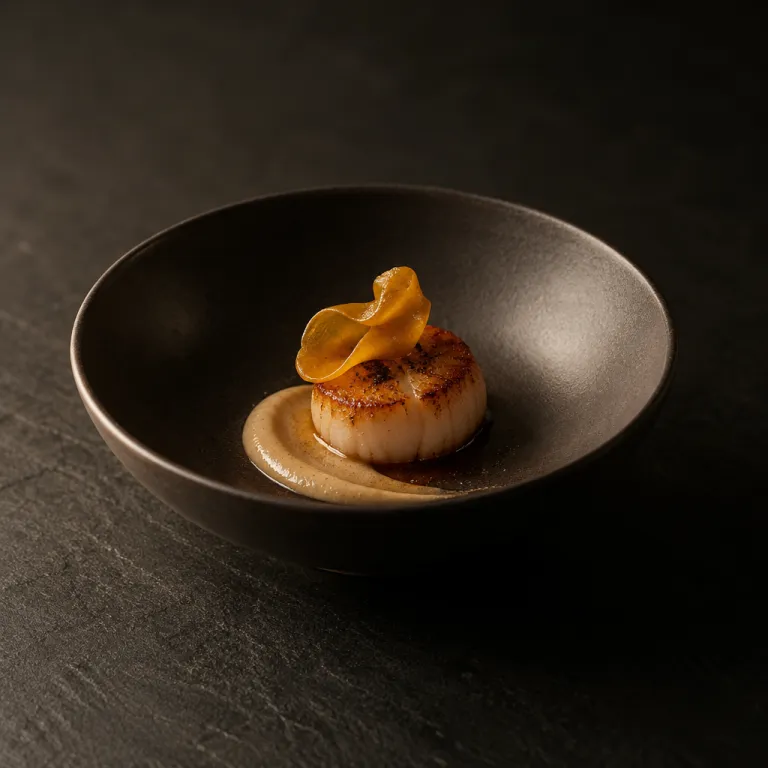
La Yeon Seoul menu as a benchmark for luxury hotel dining
The La Yeon Seoul menu at The Shilla Seoul has become a reference point for travelers choosing a luxury hotel in South Korea. This refined expression of traditional Korean cuisine shows how a single signature restaurant can shape the entire perception of a five-star property in the capital. When you compare Michelin-starred restaurants across South Korea, La Yeon at The Shilla consistently stands out for its balance of heritage, precision, and understated luxury.
Located high above the city on the 23rd floor, La Yeon offers panoramic views that frame every course with a sense of occasion. The restaurant sits on an upper-level wing, which subtly separates the fine dining experience from the bustle of the main lobby and external areas. Guests often say that the moment the elevator doors open, the calm design and soft lighting signal that dinner will be the highlight of their stay.
The La Yeon Seoul menu is built around seasonal Korean ingredients, with a particular emphasis on aged Korean beef (hanwoo), seafood, and mountain vegetables. Each course is plated with a minimalist aesthetic that reflects both The Shilla’s contemporary sophistication and traditional Korean table philosophy. For travelers comparing restaurants in Gangnam, Jung-gu, and other central districts, this dining room offers one of the clearest introductions to elevated Korean cuisine in a luxury hotel setting.
From reservation to private room: how La Yeon shapes the stay
For many international guests, the first interaction with La Yeon is not the food but the reservation process. Securing a table at this three-Michelin-star address in Seoul can influence which hotel they ultimately book in South Korea. Luxury travelers planning a special dinner will often align their entire itinerary around the availability of a private room or a specific tasting sequence.
The restaurant team at La Yeon handles each reservation with concierge-level care, especially when guests request a private room for celebrations or business dinners. These private spaces are designed with sliding doors, city views, and discreet service corridors, so the main dining room remains serene while staff move efficiently between tables. When you are planning a trip focused on fine dining in South Korea, this attention to detail can be as decisive as room size or spa facilities at the property.
Many guests pair an evening at La Yeon with other elevated experiences, such as rooftop dining at Seoul hotels that serve summer menus with skyline views. When you compare the La Yeon Seoul menu to seasonal rooftop tasting options highlighted by guides to open-air dining, you see how The Shilla positions its restaurant as a year-round anchor rather than a short-term trend. This strategic role within the hotel ecosystem illustrates how a single Michelin-starred restaurant can enhance the perceived value of every room category.
Inside the La Yeon Seoul menu: courses, wine list, and Korean narrative
The structure of the La Yeon Seoul menu follows the rhythm of a traditional Korean meal while adopting the pacing of contemporary fine dining. Guests usually begin with a series of small bites that reinterpret familiar flavors from Korean cuisine, such as pickled vegetables, delicate broths, and seafood preparations. A typical seasonal tasting menu might include dishes like abalone juk, grilled eel with wild greens, and a refined take on galbijjim. Each course is calibrated so that the progression feels both ceremonial and relaxed, which is rare among starred restaurants in busy capitals.
One of the signature elements is the use of aged hanwoo beef sourced from carefully selected farms in South Korea. The beef course often arrives grilled or gently roasted, accompanied by seasonal garnishes that highlight regional produce from provinces beyond Seoul. For travelers who associate Korean cuisine mainly with casual barbecue restaurants along the river, this refined expression of beef can completely reset expectations of what a hotel dining room can offer.
The wine list at La Yeon is curated to complement the nuanced flavors of traditional Korean dishes, including fermented sauces and delicate broths. Guests can choose pairings that move from Champagne to European reds, or explore selections of white Burgundy, German Riesling, and Korean traditional liquors that echo the subtlety of the cuisine rather than overpower it. When you evaluate the La Yeon wine list alongside other luxury hotel offerings in the city, it becomes clear that this restaurant treats beverage pairing as an integral part of the narrative, not an afterthought.
Michelin stars, Michelin Guide, and the power of recognition
La Yeon at The Shilla Seoul holds three Michelin stars in the Michelin Guide Seoul, a distinction it has maintained since 2017. That rating immediately signals quality to travelers researching hotels in South Korea. The Michelin Guide entry for this restaurant emphasizes its mastery of traditional Korean techniques, its serene dining room atmosphere, and its panoramic views over Namsan. For many guests comparing starred restaurants across the city, that combination of calm and precision is exactly what they seek after a long flight.
Recognition in the Michelin Guide has also elevated the status of The Shilla itself, positioning it among the most desirable addresses for culinary-focused stays. When a Seoul luxury hotel hosts a Michelin-starred restaurant, the perceived value of every room category, from standard to suite, increases significantly. This is especially true at The Shilla Seoul, where the La Yeon Seoul menu is often mentioned in the same breath as the spa, the outdoor pool, and the art collection.
Travelers who follow the evolution of starred restaurants in South Korea will notice how La Yeon maintains a consistent identity while refining details each season. The restaurant does not chase trends but instead deepens its interpretation of traditional Korean cuisine, from temple-inspired vegetable dishes to carefully structured beef courses. That stability reassures guests who plan important dinners months in advance and expect the same level of excellence when they finally sit down in the dining room.
Dongho Jung, Jung Seoul influences, and the human touch behind the menu
The creative direction of the La Yeon Seoul menu is closely associated with chef Dongho Jung, whose work bridges regional traditions and modern hotel dining. His background in Jung-gu and other districts of the capital informs a nuanced understanding of how locals actually eat, from market stalls to family tables. When that everyday knowledge enters a three-star Michelin kitchen, the result is a cuisine that feels authentic rather than staged.
Chef Dongho Jung and his team translate familiar Korean flavors into a course-based format that suits international travelers staying at The Shilla. A simple broth from childhood might reappear as a refined consommé, while a rustic beef stew becomes an elegant aged beef presentation with precise garnishes. Guests who usually associate hotel restaurants in business districts with generic international menus often remark on how personal and grounded this cuisine feels.
The human touch extends beyond the kitchen into the dining room, where staff guide guests through each course with calm authority. They explain the origin of ingredients from across South Korea, the logic behind the sequence, and the cultural meaning of certain preparations. This level of storytelling transforms dinner at La Yeon into a quiet masterclass in traditional Korean foodways, framed by the comfort and privacy of a world-class luxury hotel environment.
How La Yeon influences luxury hotel choices across South Korea
For many travelers, the La Yeon Seoul menu is not just a dining option but a deciding factor when choosing where to stay in South Korea. Guests who prioritize fine dining will often compare The Shilla Seoul with other high-end properties based on their flagship restaurants. In that comparison, the combination of three Michelin stars, a strong wine list, and a clear focus on Korean cuisine gives this hotel a distinct advantage.
Industry observers note that rooms at The Shilla Seoul often sell out on dates when La Yeon has limited dinner availability, especially for private room reservations. Rather than relying on a single occupancy figure, hospitality analysts point to a recurring pattern: when prime dinner slots at La Yeon are heavily booked, premium room categories at the hotel tend to experience stronger demand at the same time. This correlation illustrates how a single restaurant can influence interest in an entire property, from entry-level rooms to top-floor suites.
The influence of La Yeon also extends to how guests perceive other hotels with strong art collections and signature restaurants. When travelers read about sleeping in a gallery at Korea’s hotels where the art collection is the draw, they increasingly expect the same level of culinary ambition that they find at La Yeon. In this way, the La Yeon Seoul menu has helped raise the bar for restaurants across the city and beyond, encouraging more properties to invest in serious Korean cuisine rather than generic international offerings.
Practical tips for booking La Yeon and integrating it into your stay
Securing a table for the La Yeon Seoul menu requires planning, especially if you want a specific course or a private room. Guests should make a reservation as soon as their travel dates to Seoul are confirmed, ideally coordinating with The Shilla’s concierge or the restaurant’s reservations team by phone or email. This approach is particularly important for weekends and holidays in South Korea, when demand for fine dining experiences peaks and tasting menus can sell out weeks in advance.
When booking, indicate whether you prefer lunch or dinner, and mention any interest in aged beef courses or traditional Korean specialties. The team at La Yeon can then suggest the most suitable menu format and guide you through options on the wine list. If you are celebrating a special occasion, request a private room early, as these spaces are limited and highly sought after among both locals and international guests.
Travelers who plan to explore other restaurants in Gangnam, Jung-gu, or along the Han River should consider how La Yeon fits into their broader itinerary. A common strategy is to schedule a relaxed lunch at La Yeon on the first full day in Seoul, using the experience as a reference point for all subsequent Korean cuisine encounters. By the time you check out of your hotel and continue your journey across South Korea, the memory of that carefully structured course sequence in La Yeon’s dining room will likely remain the defining flavor of your trip.
Key figures on luxury hotel dining and Michelin recognition in South Korea
- According to the Michelin Guide Seoul 2024, there are more than 20 starred restaurants in the city, with only a small subset located inside luxury hotels, which underscores how rare a three-Michelin-star hotel restaurant like La Yeon at The Shilla Seoul remains.
- Industry reports from the Korea Tourism Organization indicate that roughly 30–40 percent of high-spending visitors cite food and dining as a primary motivation for travel, and this trend has encouraged Seoul’s leading hotels to invest heavily in Korean cuisine concepts rather than only international buffets.
- Data from global hospitality consultancies show that hotels with Michelin stars attached to their restaurants can command average daily room rates that are 10–20 percent higher than comparable properties without such recognition, reflecting the strong link between fine dining and perceived overall hotel value.
- Surveys of luxury travelers in South Korea reveal that a large proportion of guests are willing to adjust their travel dates to secure a reservation at a specific restaurant, which aligns with booking patterns observed at La Yeon and similar high-demand venues.
FAQ about La Yeon Seoul menu and luxury hotel dining
How far in advance should I book a La Yeon reservation at The Shilla Seoul ?
It is advisable to book your La Yeon reservation several weeks in advance, especially for weekends or holidays, and even earlier if you require a private room or plan a special dinner during peak travel periods in Seoul.
Does the La Yeon Seoul menu cater to dietary restrictions ?
The team at La Yeon can often adapt certain courses for dietary restrictions if informed at the time of reservation, but because the menu is rooted in traditional Korean cuisine, some elements may be less flexible than in purely international restaurants elsewhere in the city.
Is La Yeon suitable for guests new to Korean cuisine ?
Yes, the La Yeon Seoul menu is an excellent introduction for guests unfamiliar with Korean cuisine, as the staff explain each course clearly and present flavors in a refined, approachable way within a calm dining room setting at The Shilla.
How does La Yeon compare to other Michelin starred restaurants in Seoul ?
Compared with other starred restaurants in Jung-gu, Gangnam, and across South Korea, La Yeon stands out for its focus on traditional Korean flavors, its location within a major luxury hotel, and the way its three Michelin stars enhance the overall guest experience at The Shilla Seoul.
Can non hotel guests dine at La Yeon in Seoul South ?
Non hotel guests are welcome to dine at La Yeon, provided they secure a reservation in advance, and many travelers staying at other hotels in South Korea still choose to visit The Shilla Seoul specifically for this fine dining experience.