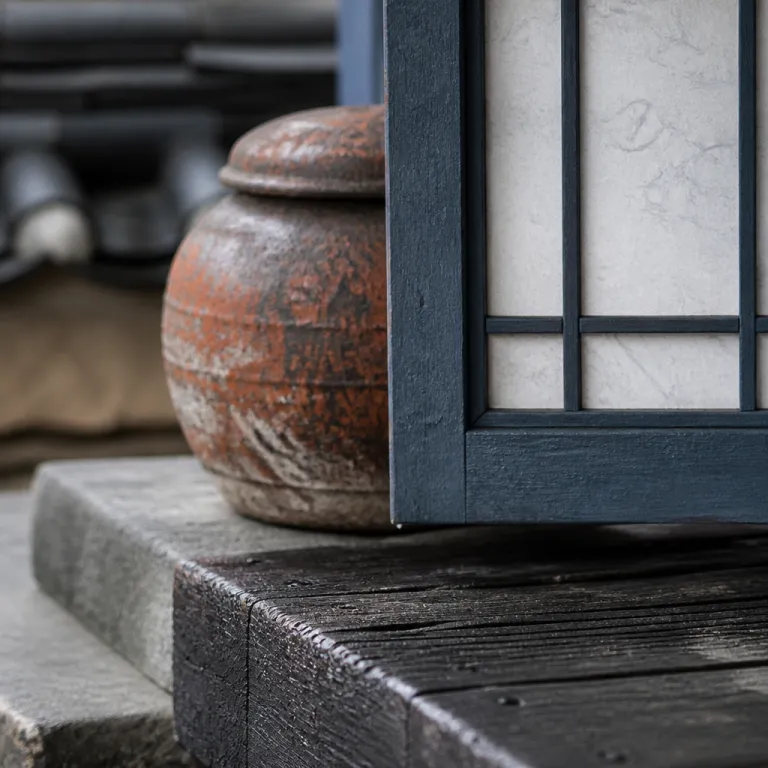
The summer hanok stay: natural cooling and cultural rhythm in July
A summer hanok stay in South Korea feels purpose built for heat and humidity. Traditional Korean architecture uses maru, the raised wooden floor that channels breezes under the room and across the polished planks, so couples can stretch out comfortably even when Seoul’s average July temperature sits around 25 °C (Korea Meteorological Administration, 1991–2020 normals). This is when a heritage hotel stay in midsummer reveals how a thoughtfully designed hanok can cool you more gently than aggressive air conditioning.
In a classic hanok, the courtyard and tiled roof work together to manage summer light and airflow. The courtyard acts as a natural cooling center, drawing air through sliding paper doors while deep eaves shade the room and keep the floor temperate over time. You will feel the difference most in the late afternoon, when you return from travel around the village and step onto cool wood that has quietly shed the day’s heat, especially after a day of sightseeing in cities where July highs often reach 29–30 °C.
Couples often ask whether a traditional Korean guesthouse in July can really be comfortable. Many of the top properties now combine the traditional maru and ondol system with discreet modern cooling, so you can check in knowing that both design and technology support your stay. When you read frequently asked details on booking pages, look for phrases such as “thoughtfully designed ventilation” and “experience Korean summer living” rather than only focusing on air conditioning units or fan placement.
Across Korea, heritage stays are part of a broader cultural movement to preserve traditional houses. Local tourism boards and cultural heritage organizations support hanok owners so that each hotel can maintain authentic materials while still welcoming an international travel audience. This is why demand peaks in July and August, and why you should check availability at least one to two months in advance if you want a specific hanok village or a particular room layout for your couple stay, especially in famous districts such as Bukchon or Jeonju.
Where to stay: from Jeonju hanok village to urban heritage in Seoul
Jeonju hanok village is the obvious starting point for a summer hanok stay in South Korea. Hundreds of traditional roofs cluster together here, and many compounds have evolved into intimate hotels where each room opens directly onto a shared courtyard. For couples, the most romantic options are often located in the heart of quieter side alleys, where you can walk back from dinner and hear only distant temple bells or the soft murmur of nearby teahouses.
Heritage stays in Jeonju now range from simple guesthouses to polished luxury conversions. Some of the top addresses feature ensuite bathrooms, premium bedding and curated art, all hidden behind traditional wooden gates that preserve the village streetscape. As a rough guide, basic double rooms in peak season might start around the price of a mid range city hotel, while high end suites can reach boutique luxury rates, especially on weekends. For a deeper overview of these heritage stays in South Korea, sleeping inside history from Gyeongju to Jeonju, explore our dedicated guide on heritage stays in South Korea before you book.
Seoul offers a different kind of hanok village experience Korean travelers appreciate, especially in Bukchon and Seochon. Here, choosing a traditional house hotel for a July city break lets you balance cultural immersion with easy access to galleries, cafés and the city’s contemporary design scene. Many properties are thoughtfully designed to buffer street noise, so your room feels like a calm center even when you are located in the heart of the capital and only a short walk from subway stations or major bus routes.
Gyeongju, often called Korea’s museum without walls, brings another layer of heritage to your stay. Hanok style hotels near UNESCO listed sites offer twilight walks among tumuli, where you can return to your courtyard just as cicadas quiet and lanterns flicker on. Couples who value history will find that combining Gyeongju with Jeonju or Seoul creates a layered travel narrative, moving from royal tombs to village alleyways within a single trip; allow roughly two to three hours by KTX and local transfer between major hubs when planning.
Luxury comfort in traditional walls: how premium hanok hotels work
Luxury hanok hotels prove that traditional does not mean rustic. Behind wooden lattices and clay walls, you will now find high thread count linens, rainfall showers and carefully tuned lighting that flatters both the architecture and your evening photos. The best properties keep the room layout faithful to Korean domestic life, while subtly integrating storage, technology and climate control so that comfort never feels at odds with heritage.
Wanju’s Awon Hanok Hotel, for example, has been introduced in Korean media as a model for healing focused tourism, with renovation support linked to regional cultural programs that emphasize both preservation and guest comfort. Public information notes that such initiatives help owners maintain original beams and tiled roofs while upgrading insulation, bathrooms and cooling systems for summer stays. When you compare options for a July hanok getaway in South Korea, look for this balance between visible tradition and invisible engineering rather than focusing only on room photos.
Many couples worry that sleeping on a futon style mattress might feel unfamiliar. In practice, top tier hanok hotels use premium ondol compatible bedding, often layering thick mattresses and soft duvets so that floor sleeping becomes part of the cultural experience Korean hosts are proud to share. One recent guest described it as “like camping inside a museum, but with five star sheets and the softest pillows.” For more detail on how luxury hanok hotel experiences in Korea blend tradition and comfort, read our in depth feature on luxury hanok hotel experiences in Korea before you finalize your travel plans.
Modern amenities extend beyond the room itself. Many heritage hotels now offer small spa corners, curated tea programs and private dining in the courtyard, all scheduled to make the most of cooler evening air. When you check descriptions, pay attention to whether the property is thoughtfully designed for couples, with clear information on group sizes, quiet hours and whether the hotel welcomes families or focuses on adults only stays, as this will shape how peaceful your nights feel.
Summer rituals: festivals, moonlit courtyards and regional escapes
July and August are when hanok life spills most vividly into the courtyard. In Gangneung, the Dano Festival (Gangneung Danoje), listed as UNESCO Intangible Cultural Heritage in 2005, brings shamanic rituals, swing rides and traditional performances that pair beautifully with a coastal hanok stay. Couples can spend the day by the sea, then walk back to a wooden pavilion where evening breezes move through paper doors and the sound of waves replaces city traffic.
Across Korea, many heritage hotels program seasonal activities that turn your stay into a cultural workshop. You might join a paper fan crafting session in the late afternoon, then sit down to a courtyard dinner timed for moonrise, when lanterns and candlelight soften the geometry of tiled roofs. Some properties near temples offer early morning walks to hear the first bell, a quiet experience Korean hosts often describe as the most meaningful moment of the day and a highlight of summer travel.
Regional choices matter if you want to escape the densest summer heat. Coastal areas and higher elevation villages can feel a few degrees cooler than central Seoul, especially in the evening, so consider pairing an urban hanok night with a countryside retreat. Our guide to Busan and Gyeongju luxury secrets outlines how to link beach time, heritage walks and hanok stays into one coherent route, for example Seoul–Gyeongju–Busan over seven to ten days.
Incheon and nearby islands add another layer to a July itinerary focused on traditional Korean houses. While the city itself is known for its airport and port, the wider region includes traditional villages and coastal walks that feel far removed from transit hubs. When you plan, check how long transfers will take—Incheon to central Seoul, for example, is usually around an hour by train or car in normal traffic—and whether your chosen hotel can arrange a private car or group shuttle so that your time is spent in courtyards, not in queues.
Frequently asked questions about summer hanok stays
What is a hanok and why is it suited to summer ?
A hanok is a traditional Korean house characterized by wooden structures, tiled roofs and an ondol heating system. Its maru floors, deep eaves and courtyard layout create natural ventilation that works especially well in July and August. This makes a summer stay in a Korean heritage house both culturally rich and physically comfortable, particularly when combined with light clothing and sensible pacing of outdoor activities.
Are hanok stays air conditioned in July and August ?
Many hanok stays now include modern amenities, including air conditioning, alongside traditional cooling design. Owners typically balance discreet units with the building’s heritage, so you can adjust the room temperature if humidity rises. When you check property details, look for both air conditioning and references to natural ventilation, shading and window screens to keep insects out while allowing airflow.
Is it expensive to stay in a hanok during peak summer ?
Prices vary widely, with some hanok rooms positioned as affordable guesthouses and others operating as full luxury accommodations. In popular areas, basic doubles might start around the cost of a mid range city hotel, while high end suites can reach premium boutique prices. July and August are peak months, so rates at top properties in major hanok villages or city centers will be higher and sell out quickly. Booking early and considering midweek dates can help couples secure better value and more choice of room types.
How should couples prepare for a hanok stay in July ?
Prepare for hot, humid weather by packing light, breathable clothing and a small folding fan, even if your hotel has air conditioning. Respect house rules such as removing shoes, keeping noise low in shared courtyards and handling paper doors carefully. It is also wise to book in advance due to high demand and to check cancellation policies in case your travel plans shift, especially if you are coordinating multiple cities in one itinerary.
Where can I find reliable information and booking options ?
Online booking platforms such as Airbnb, Agoda and Stayfolio list many hanok properties with verified reviews and clear photos. Local tourism boards and cultural heritage organizations also provide curated lists of licensed stays in key regions. For couples focused on premium experiences, specialist sites like MySouthKoreaStay.com filter options to highlight only the most credible, thoughtfully designed heritage hotels, often with detailed descriptions and professional images.