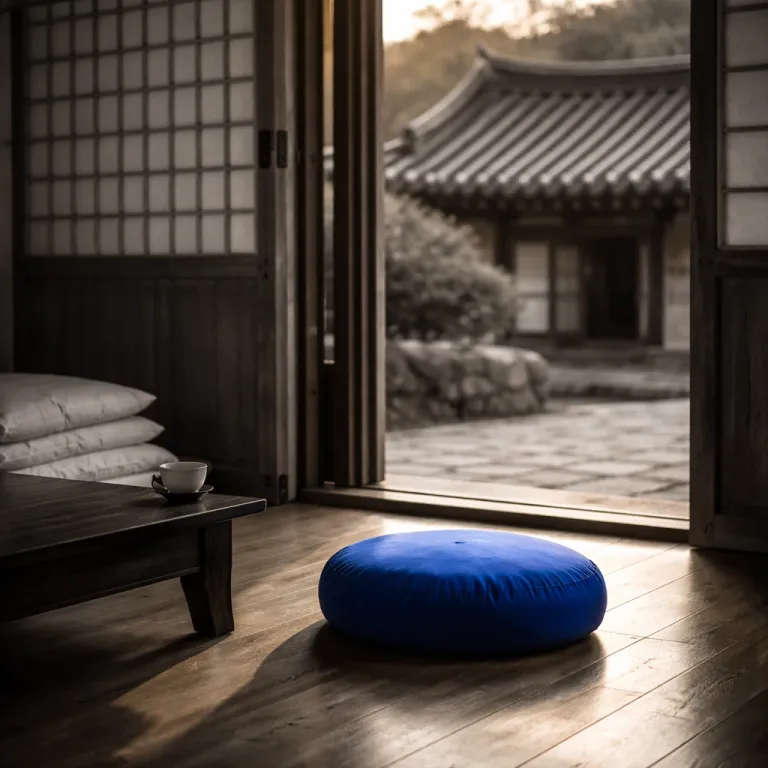
Why a temple stay belongs in a luxury south korea itinerary
Think of a temple stay in South Korea as the quiet counterpoint to your five star suite. In a country where Seoul, Busan, Jeju and Gyeongju now define modern luxury South Korea travel, the most memorable stay experience often happens behind wooden gates in a mountain valley. A carefully chosen high end temple stay in South Korea helps you weave this calm into your trip without sacrificing comfort.
Across South Korea more than one hundred thirty Korea temple sites participate in the official Templestay program, ranging from remote hermitages to urban sanctuaries in Seoul. According to the Cultural Corps of Korean Buddhism, which administers the scheme, over 130 temples are registered and several hundred thousand people join each year, making it a mainstream cultural option rather than a niche retreat. For couples used to club lounges and butler service, the contrast between a marble lobby and a dawn bell at a temple will feel surprisingly complementary, not competitive.
The key is to treat your temple stay as one chapter in a broader Korea tours narrative, not as a full retreat. Many travelers now pair two days in Seoul in a design forward hotel with one or two days of Templestay immersion before continuing to Busan or Jeju Island for coastal relaxation. This rhythm of city energy, temple silence and island air turns a standard South Korea trip into a layered travel story that feels both indulgent and meaningful.
Designing a two night temple stay around seoul, busan and gyeongju
A smart luxury itinerary that includes a temple stay in South Korea starts with geography and train timetables. High speed links between Seoul–Busan and Seoul–Gyeongju mean you can move from a rooftop bar to a meditation hall in a single afternoon, then return to your preferred hotel brand without losing time. The most efficient itineraries treat the temple stay as a two night interlude between urban bases rather than a logistical detour.
For couples beginning in Seoul, consider spending three days in Seoul in a wellness focused property in Gangnam or Jongno before transferring to a nearby Korea temple such as Bongeunsa or Geumsunsa for a short Templestay program. These urban temples offer structured tours of the grounds, guided meditation and tea ceremonies, while allowing you to keep luggage light and transfers short. A typical overnight schedule might include an evening orientation and meditation, a 4:30 a.m. wake up for the morning bell, pre dawn chanting, a simple vegetarian breakfast and quiet time for walking the grounds before departure.
Down south, Beomeosa near Busan works beautifully as a one or two night stay experience after a seafront suite in Haeundae. From Busan Station, the KTX from Seoul takes around 2.5 hours, and you should allow roughly 40–60 minutes to reach Beomeosa by subway and local bus or taxi, depending on traffic. From there, continuing on to Jeju or even a combined tour south route that links Busan–Jeju by air gives your trip a satisfying arc from skyscrapers to temples to volcanic beaches.
Comfort spectrum: from first time templestay to advanced retreats
Not every temple stay in South Korea feels the same, and that is precisely the point. The official Templestay program spans everything from beginner friendly introductions with flexible schedules to intensive meditation retreats that demand full participation from the first bell. A thoughtful South Korea luxury travel planner will match your comfort level with the right property and program rather than chasing the most remote option.
Entry level Templestay experiences at larger temples near Seoul or Busan usually include simple shared rooms with heated floors, basic bedding and clean communal bathrooms. These programs are designed so that international visitors can engage in meditation, chanting and tea ceremonies without feeling overwhelmed, and many have English speaking staff who explain temple etiquette clearly. The Cultural Corps of Korean Buddhism describes Templestay as “a program allowing visitors to experience monastic life in Korean temples,” and that clarity of purpose shows in how smoothly these stays run.
More advanced stays at places such as Golgulsa Temple near Gyeongju or at mountain monasteries in a national park setting can be physically and mentally demanding. From Singyeongju Station, the KTX from Seoul takes about 2 hours, and onward travel to Golgulsa by local bus or taxi typically adds 30–50 minutes, so arrival days can feel full. If your idea of luxury South Korea travel includes red ginseng facials and forest therapy, consider pairing a lighter Templestay with a few nights at one of South Korea’s wellness hotel revolution properties, where spa teams translate temple inspired rituals into high touch treatments.
Seasonal magic: cherry blossoms, autumn leaves and national parks
Timing your temple stay around Korea’s seasons transforms a good program into an unforgettable experience. Spring brings cherry blossoms that dust temple courtyards in pale pink, while autumn wraps mountain valleys in deep crimson and gold. A nuanced South Korea luxury travel guide will help you align these natural spectacles with your preferred hotel calendar and flight patterns.
In spring, pairing a Templestay near Gyeongju with visits to Bulguksa Temple and the surrounding national park gives you both heritage architecture and soft cherry blossoms in a single frame. You might spend your days on curated Korea tours that include palace visits and hanok streets, then retreat to the temple at night for meditation under lanterns. Couples often combine this with a few extra days in Seoul in a riverside hotel, using the city as a base for day tours while keeping one evening free for a quiet walk along the Cheonggyecheon stream.
Autumn suits travelers who prefer crisp air and quieter trails around Korea temples in the south and on Jeju Island. A classic route links Seoul–Gyeongju for history, then continues to Busan–Jeju for coastal hikes and volcanic landscapes framed by turning leaves. Throughout these seasons, your stay south of the main urban centers becomes a moving meditation, with each temple, tour and hotel stay reinforcing the sense that time itself has slowed just enough for you to breathe.
Wellness, digital detox and what couples can really expect
Luxury travelers often arrive in South Korea with wellness already on the agenda, but a temple stay reframes that goal. Instead of another infinity pool or high tech gym, you receive early mornings, structured silence and the gentle discipline of shared rituals. A strong South Korea temple stay guide will prepare you for this shift so that it feels intentional rather than austere.
Most Templestay programs ask guests to limit phone use, dress modestly and respect quiet hours, which creates a natural digital detox that many couples secretly crave. You will wake before sunrise, join chanting in the main hall, share vegetarian meals at fixed times and participate in guided meditation or simple work around the grounds. The methods are straightforward — meditation, chanting and tea ceremonies supported by temple facilities and traditional attire — yet the impact on stress levels rivals far more expensive spa tours.
For couples used to private suites, the shared rooms and set schedules of a Korea temple can feel like a step down in comfort at first. Over one or two days, though, that simplicity becomes part of the stay experience, giving you a shared story that no hotel turndown service can match. One recent visitor described leaving a Seoul hotel “still thinking about emails,” but returning from a two night Templestay “counting breaths instead of meetings,” and many pairs report a similar shift in how they approach the rest of their travel time.
Practicalities: booking, etiquette and combining with wider asia travel
Planning a temple stay in South Korea now feels almost as seamless as booking a luxury hotel. The Cultural Corps of Korean Buddhism manages reservations for more than one hundred participating temples, and many listings clearly outline program details, language support and what is included. A reliable South Korea luxury travel advisor will still add value by comparing these options against your preferred hotel brands, flight schedules and broader Asia routing.
When booking, decide how many days you can realistically commit without rushing the rest of your trip. Most visitors choose between one and three days, slotting the Templestay between city breaks or nature focused tours so that the transition feels smooth. Simple rules apply everywhere — book in advance, respect temple etiquette and prepare for early mornings — and these expectations are usually communicated clearly at check in.
For travelers combining Korea–Japan or wider tour south itineraries, temple stays work best in the middle of the journey rather than at the very start or end. You might fly into Seoul, spend several days in Seoul exploring galleries and dining, then head to a Templestay before continuing on to Gyeongju, Busan and finally out to Jeju Island or onward flights. Treated this way, your stay south of the city becomes the still point in a longer travel arc, anchoring the entire experience in something quieter than any airport lounge or hotel lobby could ever provide.
Key figures on templestay programs and participation
- More than 130 temples across South Korea participate in the official Templestay program, according to the Cultural Corps of Korean Buddhism, giving travelers a wide choice of locations and comfort levels.
- Internal statistics from the Cultural Corps of Korean Buddhism indicate that several hundred thousand people join Templestay programs in South Korea each year, a scale that shows how mainstream this form of cultural immersion has become for both domestic and international visitors.
- Programs typically run from 1 to 7 days, but most luxury travelers opt for 1 to 3 days so that the temple stay complements rather than dominates their hotel based itinerary.
- Temple stays operate year round, yet peak demand coincides with cherry blossom season in spring and foliage season in autumn, when national park landscapes around major temples are at their most photogenic.
FAQ: temple stays and luxury travel in South Korea
What is a temple stay in South Korea ?
A temple stay in South Korea is an organized program that allows visitors to live inside a working Buddhist temple for a set number of days. Guests follow a schedule that usually includes meditation, chanting, simple vegetarian meals and participation in daily rituals. The goal is cultural immersion and mindfulness rather than religious conversion or strict asceticism.
Do I need to be Buddhist to join a templestay program ?
You do not need to be Buddhist to participate in a Templestay in South Korea. Programs are explicitly designed for people of any or no faith who are curious about Korean Buddhism and monastic life. Respect for temple rules and openness to the experience matter far more than personal belief.
How should I prepare and what should I bring ?
Most temples provide basic bedding and simple clothing for ceremonies, so you mainly need comfortable layers, toiletries and any essential medication. It is wise to pack modest outfits that cover shoulders and knees, along with slip on shoes for moving between halls. Many organizers advise guests to bring “comfortable clothing, toiletries, and an open mind.” because attitude shapes the stay as much as any physical item.
How far in advance should I book a temple stay ?
Booking several weeks ahead is recommended, especially for popular temples near Seoul, Busan or Gyeongju during cherry blossom and autumn foliage seasons. Some programs accept last minute reservations, but availability for English language guidance and private rooms can be limited. Luxury travelers planning complex itineraries that include multiple cities and hotels should secure Templestay dates before locking in non refundable flights.
Can a temple stay fit into a short South Korea trip ?
Even on a one week trip to South Korea, a one or two night Templestay can fit comfortably between city stays. Many visitors spend three nights in Seoul, one or two nights at a temple and the remaining days in Busan or on Jeju Island. The key is to avoid over scheduling tours on temple days so that the calm rhythm of monastic life has space to work.