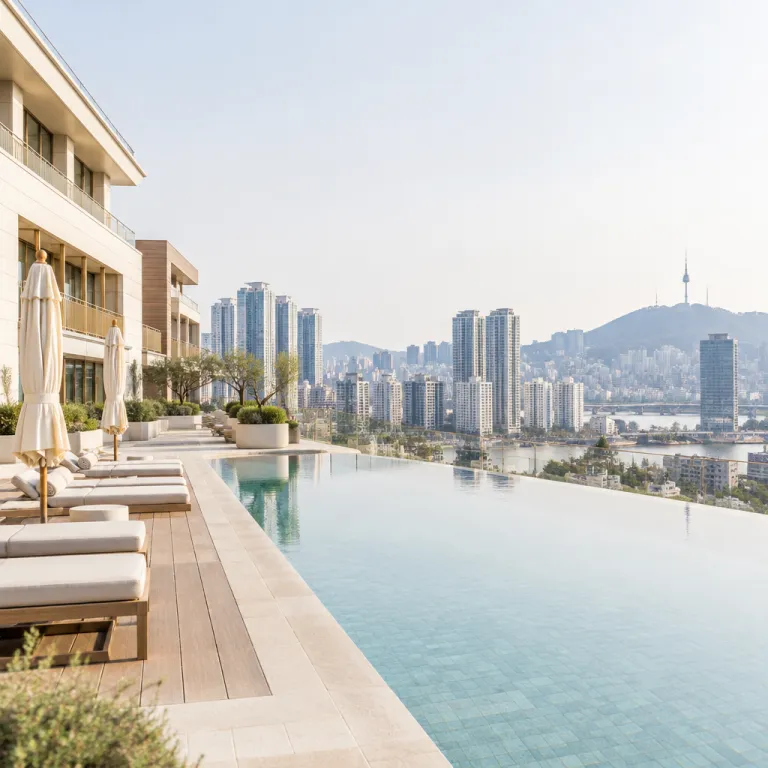
Choosing the best location to stay in Seoul for your style of trip
Finding the best location to stay in Seoul starts with understanding how you like to travel. The city stretches over a wide area, and each neighborhood offers a different rhythm, from quiet hanok lanes to neon lit streets that never really sleep. Before you book any hotel, decide whether your stay in Seoul should focus on culture, shopping, nightlife, or riverside calm.
Central districts such as Myeongdong, Insadong, and Jongno place you close to royal palaces, major subway station hubs, and the business heart of the city. This area works well if you want short transfers from a train station, easy airport bus access, and many Seoul hotels within walking distance of key sights. For a first trip, visitors to Seoul usually appreciate this central area because it balances convenience, safety, and a strong sense of South Korea’s capital.
Luxury travelers often compare the energy of Gangnam with the heritage charm of a hanok village stay. Gangnam offers polished hotels, wide boulevards, and quick access to the Han River parks, while Bukchon hanok streets provide traditional architecture and intimate rooms. Your ideal hotel stay in Seoul might even combine both areas, with two or three nights in a hanok and several nights in a high rise property overlooking the city skyline at night.
Myeongdong and central Seoul: for shoppers, first timers, and easy transport
When people ask about the best location to stay in Seoul for a first visit, Myeongdong almost always enters the conversation. The area sits between Seoul Station and the historic palaces, and the main subway station connects several lines that cross the city. From many Seoul Myeongdong properties you can reach a palace, a department store, and a street food alley within ten minutes of walking distance.
Premium and luxury hotels in this neighborhood range from international chains to refined independent properties such as a high floor hotel Myeongdong with skyline views. Expect nightly rates from around 150 to 350 USD for spacious rooms in high season (typically April–May and September–November), depending on view and brand. This central city area is also practical for business travelers who need quick access to a train station or airport limousine bus while still enjoying a lively night scene.
Shoppers value Myeongdong’s dense grid of cosmetics stores, fashion outlets, and food stalls that stay open late into the night. The streets around the main station exit are pedestrian friendly, and you can walk to the Cheonggyecheon stream or the cable car to Namsan Tower without using a subway station. For guests who want a polished but not overwhelming introduction to South Korea, this central Seoul base feels both manageable and vibrant, especially when combined with a day trip to Gangnam across the Han River using Line 2.
Insadong and Bukchon hanok village: heritage charm with premium comfort
Travelers who care more about culture than shopping often consider Insadong one of the best areas to stay in Seoul. This neighborhood sits between Gyeongbokgung and Changdeokgung palaces, and its main street is lined with galleries, tea houses, and antique shops. From an elegant hotel Insadong address you can walk to Bukchon hanok village in under fifteen minutes and still be close to a major subway station for cross city trips.
Many Seoul hotels around Insadong blend modern comfort with traditional touches such as ondol heated floors or hanok inspired courtyards. A property like Sunbee Hotel in Insadong offers a quiet base on a side street, yet you remain within walking distance of Jogyesa Temple, the Jonggak train station, and several palace gates. For guests planning a slower Seoul itinerary focused on museums, crafts, and architecture, this area allows you to feel the city’s history without sacrificing premium service.
Staying near Bukchon hanok lanes gives you early morning access to narrow streets before tour groups arrive. Some hanok style rooms are compact, but higher category hotels nearby provide larger rooms and refined amenities while still referencing traditional Korea design. For more ideas on elegant places to stay in Seoul’s most characterful neighborhoods, you can consult a curated guide to character rich Seoul areas that compares Insadong, Bukchon, and other heritage districts in detail.
Gangnam, Seoul Forest, and the Han River: modern luxury and business friendly stays
South of the Han River, Gangnam has become a byword for polished city life and high end hotels. For many business travelers, this district is the best location to stay in Seoul because it offers quick access to corporate offices, convention centers, and express bus terminals. The area around Gangnam Station and Sinnonhyeon Station is dense with premium hotels, rooftop bars, and restaurants that stay open late into the night.
Room rates in Gangnam’s luxury hotels often start around 200 to 400 USD per night in peak months, reflecting the district’s status and convenience. Properties near a subway station on Line 2 or Line 9 make it easy to cross the river for meetings while still returning to a refined base in the evening. If you prefer a slightly quieter Seoul accommodation option, consider hotels closer to Seoul Forest, where tree lined paths and art spaces soften the urban intensity.
Seoul Forest and the adjacent Han River parks appeal to travelers who value jogging routes, cycling paths, and riverside cafés. From this area you can reach Gangnam’s shopping streets by subway in a short commute, yet your immediate neighborhood feels more residential and relaxed. For a detailed look at how one premium property elevates a Gangnam stay in South Korea, review this analysis of the Best Western Premier Gangnam Hotel experience, which highlights how location and service combine for both business and leisure guests.
Hongdae and Itaewon: nightlife, creativity, and late night street food
For travelers who want the best location to stay in Seoul for nightlife, Hongdae and Itaewon stand out. Hongdae, near Hongik University, is known for live music, street performances, and independent shops that give the neighborhood a youthful energy. Many Seoul hotels here target younger guests, but several premium properties now offer quieter rooms on higher floors while keeping you close to the action.
Hongdae’s main streets fill with buskers and street food vendors each night, making it easy to grab tteokbokki or hotteok after a concert. The area benefits from a major subway station and an AREX train station connection to Incheon International Airport, which shortens your arrival and departure time across the city. If you choose to stay in this neighborhood, look for hotels slightly away from the busiest street corners to balance atmosphere and sleep quality.
Itaewon, on the other side of the river but still central, offers a different mix of international restaurants, bars, and late night venues. The streets around Itaewon Station and Noksapyeong Station host a blend of embassies, expat hangouts, and Korean eateries, which makes this area attractive for guests who enjoy varied food scenes. While some properties here market themselves as a boutique hotel style, luxury travelers should focus on soundproofing, room size, and proximity to a quiet station exit to ensure a comfortable stay in South Korea’s most cosmopolitan quarter.
Practical tips for choosing Seoul hotels, rooms, and transport connections
Once you have chosen the best area for your priorities, refine your search by transport and room details. In a large city like Seoul, being within five minutes’ walking distance of a subway station can save significant time each day. Check hotel maps carefully and confirm how far the property sits from the nearest station exit, especially if you will carry luggage or travel with children.
Room size varies widely across Seoul hotels, even within the same star category. Many central properties list room areas in square metres, so compare carefully if you value space for unpacking or working at night. For luxury stays, look for rooms above 25 square metres as a baseline, and consider suites if your Seoul trip includes longer stays or remote work sessions.
Price ranges shift by season, but a comfortable premium hotel in a central neighborhood often costs between 150 and 300 USD per night in busy spring and autumn periods. Properties near a major train station or airport bus stop sometimes charge a small premium for convenience, which can still offer good value when you factor in saved taxi fares and time across the wider city. When evaluating offers, pay attention to whether breakfast, late checkout, or Han River view upgrades are included, as these details can transform a standard stay into a memorable experience in Korea’s capital.
Hidden gem areas and future facing stays beyond the usual districts
While Myeongdong, Insadong, and Gangnam dominate many guides to the best location to stay in Seoul, several emerging neighborhoods reward curious travelers. Areas near Seoul Forest, Seongsu, and the eastern banks of the Han River now host stylish cafés, galleries, and a growing number of premium hotels. These districts suit guests who have visited South Korea before and want a fresh angle on the city without losing easy subway station access.
Staying slightly outside the busiest core can also improve value, with nightly rates sometimes 20 to 30 percent lower in USD terms than comparable rooms in Myeongdong or Gangnam. Look for properties within a short walk of a train station that connects directly to central hubs, so your daily commute across Seoul remains reasonable. Some hotels near the Han River offer direct access to cycling paths and river cruises, which can become a highlight of your stay even if you spend your days in other neighborhoods.
Travelers planning a wider South Korea itinerary may also consider how their Seoul base connects to other regions. Proximity to Seoul Station or Yongsan Station simplifies KTX high speed train trips to Busan, Daegu, or Gwangju, while access to airport rail links eases early morning flights to Jeju. For inspiration on how premium properties are expanding beyond the capital, examine how WorldHotels planted its first Korea flag on Jeju with the Ecoland Hotel through this detailed feature on Jeju luxury stays, which hints at how future Seoul hotels may integrate nature, sustainability, and refined design.
Key figures on Seoul travel, hotels, and guest preferences
- According to data from the Korea Tourism Organization for 2019 (the last full pre pandemic year), Seoul welcomed more than 9 million international visitors, underscoring why competition among Seoul hotels remains intense and why location has become a decisive factor for many guests.
- Statistics from the Seoul Metropolitan Government published in 2019 indicate that over 60 percent of visitors rely primarily on the subway station network, which explains why properties within 500 metres walking distance of a station exit often command higher average daily rates.
- Market research from STR on the Seoul hotel market (2018–2019 peak seasons) shows that luxury and upper upscale hotels in central districts regularly achieve occupancy levels above 70 percent, suggesting that travelers who want the best rooms in popular neighborhoods such as Myeongdong, Gangnam, or Insadong should book several weeks in advance.
- Surveys of international travelers conducted by the Korea Culture and Tourism Institute in 2019 reveal that more than half of respondents rank proximity to street food, shopping streets, and night views of the Han River as key reasons for choosing a particular area to stay in Seoul.
FAQ about choosing the best location to stay in Seoul
Is Myeongdong or Gangnam better for a first stay in Seoul ?
Myeongdong suits first time visitors who want easy access to palaces, markets, and major transport hubs in a compact area. Gangnam works better for business travelers or repeat visitors who prioritise modern malls, corporate offices, and quick access to the Han River parks. Both offer excellent Seoul hotels, so your choice should reflect whether you value heritage sights or contemporary city life more.
Where should I stay in Seoul for traditional hanok charm with comfort ?
For a blend of hanok atmosphere and hotel level comfort, focus on Insadong, Bukchon hanok village, and the surrounding Jongno streets. Many properties here either occupy renovated hanok buildings or incorporate traditional design elements while still offering modern bathrooms and heating. This area keeps you close to key cultural sites while providing a quieter night environment than some shopping districts.
Which Seoul neighborhoods are best for nightlife and street food ?
Hongdae and Itaewon stand out for nightlife, live music, and varied street food options that run late into the night. Hongdae offers a more student focused scene with performances on almost every street corner, while Itaewon mixes international restaurants with Korean bars and clubs. When booking hotels in these neighborhoods, look for rooms on higher floors or side streets to reduce noise.
How much should I budget per night for a premium hotel in Seoul ?
For a comfortable premium stay in central Seoul, expect to pay roughly 150 to 300 USD per night, depending on season, brand, and exact location. Luxury properties in Gangnam, near major palaces, or with Han River views can exceed this range, especially during peak travel periods. Booking early and checking flexible date ranges often helps secure better rates in the same area.
Is it better to stay near Seoul Station or closer to tourist sights ?
Staying near Seoul Station benefits travelers with early trains, heavy luggage, or multiple day trips across South Korea. However, areas like Myeongdong, Insadong, and Jongno place you closer to most tourist sights, which can reduce daily travel time. Many visitors choose a hotel within two or three subway stops of Seoul Station to balance convenience for arrivals with easy access to attractions.