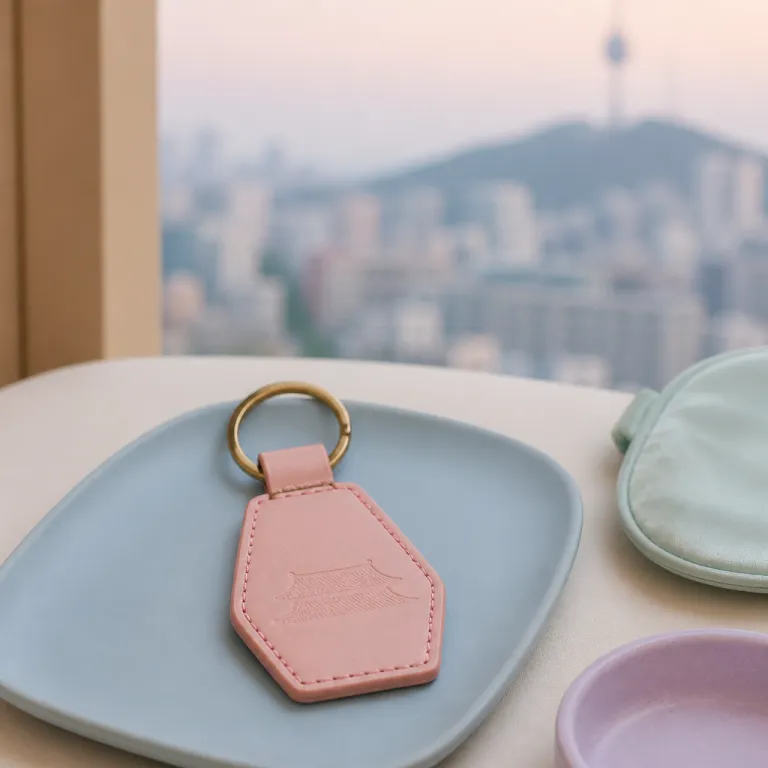
The shift from chain comfort to Seoul’s design‑driven independents
Business travelers landing in Seoul are rethinking what a luxury hotel should feel like. A new generation of independently run properties offers a design‑driven alternative to global chains, placing character and context above standardized predictability. For many guests, these boutique hotels now rival the best international brands for comfort while adding a richer connection to local culture.
This shift is not abstract; it shows up clearly in recent accommodation data for South Korea. According to the Korea Tourism Organization’s 2023 accommodation trends briefing, lifestyle and design‑focused properties in Seoul recorded average occupancy above 75%, around 6–8 percentage points higher than the citywide hotel average, with particularly strong repeat business from travelers who once booked only global chains. Industry observers now describe a “trend shift” in which “travelers prefer boutique hotels over chains.” For chain loyalists used to a familiar playbook, the question is no longer whether to try these places, but which neighborhood and which style of design best match their lifestyle and trip goals.
At the core of this movement is a desire for a more personalized experience that reflects how people actually live, work and relax in the capital. Instead of anonymous rooms that could be anywhere, these Seoul stays lean into a boutique lifestyle philosophy, using design, art and service to frame the city’s daily rhythms. One frequent visitor quoted in a 2022 Seoul Tourism Organization survey described her stay as “less like checking into a hotel and more like borrowing a beautifully designed apartment from a local friend.” For guests, the result is an experience where the property becomes part of the story of Seoul, not just a backdrop between meetings and airport transfers.
The K‑Life hotel concept: living to Seoul’s daily rhythm
Across South Korea, but especially in the capital, a quiet revolution is reshaping what a lifestyle hotel can be. Rather than copying international templates, many properties now follow a K‑Life concept that mirrors Korean daily rituals, from morning market walks to late‑night street food runs. For business travelers extending a stay, this approach turns routine trips into layered experiences that feel closer to everyday city life.
In central districts, some places schedule early outings to Gwangjang or Namdaemun market, then pair them with calm afternoon tea services that reference traditional Korean tea houses. Even meeting rooms are being rethought, with soft lighting, natural materials and an attention to detail that encourages slower, more thoughtful conversations between guest and client. A strong example of this city‑embedded approach is the refined serviced residence near Jongno’s alleys, highlighted in this guide to stays close to Jongno’s hidden gems, where travelers can step from a quiet courtyard into the historic heart of Seoul in minutes.
These properties still compete directly with the big hotel market players, including brands under Marriott International or the Autograph Collection, yet they win over guests by offering more personalized service and richer local culture immersion. Chain loyalists who usually check availability through corporate portals now increasingly visit independent sites to compare rooms, experiences and calendar‑style availability tools. For many travelers, the K‑Life style of city living proves that luxury can be both highly personalized and deeply rooted in Seoul’s own tempo.
Neighborhood‑driven stays: Myeongdong, Gangnam and beyond
Choosing a boutique hotel stay in Seoul often starts with choosing the right neighborhood. In Myeongdong, compact streets and neon‑lit façades create a kinetic backdrop for hotels that balance retail energy with calm, minimalist rooms. A well‑located Myeongdong option can give travelers quick access to the market stalls, beauty flagships and underground food courts while still offering a quiet, luxury‑focused experience upstairs.
One notable example is an eco‑chic urban oasis reviewed in this in‑depth look at an urban oasis in central Myeongdong, where the design uses greenery, soft textures and a restrained palette to offset the district’s intensity. In Seoul’s Gangnam district, by contrast, the mood shifts toward glass towers, rooftop bars and a more overtly corporate lifestyle, yet even here independent hotels are carving out space with warm timber, Korean ceramics and a boutique sensibility. Properties like Hotel Cappuccino in Gangnam show how a lifestyle‑oriented place can mix playful design with serious sustainability, attracting both leisure guests and business travelers who want a more personalized experience than a standard chain tower.
For travelers who usually default to large international brands across the city, these neighborhood‑focused stays offer a different way to check into Seoul. Instead of a generic lobby, the guest steps into a design narrative that reflects Myeongdong’s market bustle, Gangnam’s polished energy or Jongno’s hanok‑lined alleys. Over several trips, many visitors build a personal map of the capital through these hotels, using each stay to layer new experiences onto a familiar business itinerary.
Design language and service: how Seoul’s independents outplay the chains
What truly sets a boutique property in Seoul’s luxury segment apart is not just size, but a distinct design language and service philosophy. Korean architects and interior designers tend to favor natural woods, stone, linen and a controlled color palette that feels calm rather than flashy. Public spaces often feature local art collaborations, with works by Seoul‑based painters, ceramicists and photographers integrated into lobbies, corridors and even rooms.
Compared with counterparts in Tokyo, Bangkok or Taipei, many hotels in Seoul lean into a specific Korean aesthetic of restraint and considered imperfection, echoing traditional hanok proportions and courtyard logic. Lighting is soft and layered, and the attention to detail extends from door handles to in‑room tea sets, which often feature Korean teas instead of generic international brands. This design depth supports a service style that prioritizes personalization, where staff remember a guest’s coffee order, arrange a quick transfer to Gimpo Airport, or suggest a late‑night noodle spot that matches the traveler’s lifestyle and schedule.
Chain loyalists accustomed to executive lounges and predictable room layouts often find that these places deliver equal or greater luxury through quieter means. Instead of a vast lobby bar, there might be a small listening room with Korean vinyl, or a rooftop terrace where guests can check the skyline while planning the next day’s experiences. For many frequent travelers, this combination of thoughtful interiors, tailored service and strong local culture content makes it easier to choose independent hotels over even the most polished international towers.
Balancing loyalty points with Seoul‑specific value
The hardest question for many chain hotel loyalists is whether a boutique stay in Seoul can justify giving up points and status perks. In practice, the calculation often favors the independent properties, especially for travelers who value architecture, neighborhood immersion and flexible spaces for both work and rest. Rates at these design‑forward hotels are frequently comparable to, or slightly below, major five‑star chains, yet the rooms feel more unique and the experiences more tailored.
Consider Josun Palace, which operates under the Autograph Collection umbrella of Marriott International, blending global loyalty benefits with a distinctly Korean design narrative and high‑touch service. Nearby, fully independent hotels compete by offering generous room layouts, thoughtful amenities and a level of personalized service that can be hard to replicate at scale. For executives who fly regularly through Gimpo Airport and split time between meetings in Gangnam and dinners near Myeongdong, the ability to check into a property that understands their routine can outweigh the pull of incremental points.
There is also a broader lifestyle and trip‑planning dimension to this choice, especially for travelers combining Seoul with coastal or mountain escapes across South Korea. Many guests now pair a design‑focused city stay with a resort or retreat elsewhere in the country, using curated resources such as this guide to South Korea’s beach, mountain and island resorts. Over time, this pattern reinforces the sense that loyalty is shifting from brands to experiences, with travelers building their own network of trusted hotels based on design, service and the way each property frames the city around it.
Practical booking strategies for Seoul’s design‑driven stays
Securing the right boutique hotel in Seoul requires a more intentional approach than simply defaulting to a corporate booking tool. Availability can be tight, as design‑focused properties often operate with fewer rooms and higher occupancy than large chains. Savvy travelers check dates early, use calendar‑based availability views on specialist platforms and remain flexible about shifting by a night to secure the exact room type they want.
Because these Seoul properties emphasize personalized experience, it pays to communicate specific needs and preferences before arrival, from meeting schedules to dietary requirements and preferred workout times. Many teams respond with tailored suggestions, such as quiet rooms on higher floors, early breakfast options or curated walking routes that link the hotel to nearby market streets and cultural sites. For guests who value both efficiency and immersion, this level of pre‑stay dialogue can transform a standard booking into a seamless, context‑rich experience.
When comparing options, travelers should look beyond headline luxury labels and focus on concrete details such as room size in square metres, natural light, work surfaces and proximity to key districts like Myeongdong, Gangnam or Jongno. Reading recent guest feedback helps clarify how consistently each property delivers personalized service and maintains its design standards over time. With this approach, even long‑time chain loyalists can confidently navigate Seoul’s independent hotel landscape and assemble a personal shortlist of properties that match their lifestyle, schedule and expectations for thoughtful, locally grounded luxury.
FAQ
What defines a boutique hotel in Seoul’s luxury segment ?
In the context of Seoul, “What defines a boutique hotel?” is answered simply as “A small, design-driven hotel offering unique experiences.” These properties usually feature fewer rooms than large chains, a strong design identity and a close relationship with the surrounding neighborhood. For luxury travelers, that means more character, more personalized service and a clearer sense of place than many standardized hotels can provide.
Why are travelers choosing design‑driven independents over chains ?
The dataset captures the core motivation in the line “Why are travelers choosing boutique hotels over chains? For personalized service and unique design.” In Seoul, this plays out through properties that integrate local culture, commission Korean art and tailor experiences to individual guests rather than to broad loyalty tiers. For frequent business travelers, the result is a stay that feels less interchangeable and more aligned with their own lifestyle and interests.
Are these design‑focused hotels more expensive than major chains ?
The reference material notes that “Are boutique hotels more expensive than chain hotels? Prices vary; some boutique hotels are competitively priced.” In Seoul, rates for design-forward properties often sit in the same band as international five-star hotels, but the perceived value can be higher because of distinctive architecture, thoughtful amenities and more flexible use of space. Travelers who compare inclusions such as breakfast quality, room size and late checkout policies often find that independents deliver strong overall value.
How far in advance should I book a design‑driven hotel in Seoul ?
Because occupancy at these properties is high and room counts are relatively low, it is wise to book well ahead, especially for peak business periods and major events. The guidance “Book in advance due to high demand” reflects the reality that last‑minute availability can be limited in central districts like Myeongdong and Gangnam. Checking flexible dates and using availability view tools on specialist platforms can significantly improve your chances of securing preferred rooms.
Which neighborhoods work best for combining business and leisure stays ?
For travelers who blend meetings with leisure time, Myeongdong, Gangnam and Jongno each offer distinct advantages. Myeongdong suits guests who want immediate access to shopping and casual dining, while Gangnam works well for corporate appointments and evening cocktails in polished settings. Jongno and nearby districts appeal to travelers who prioritize historic streets, galleries and quieter cafés, often pairing well with design-forward hotels that emphasize local culture and walkable experiences.
Sources
Seoul Tourism Organization; Korea Tourism Organization (Accommodation Trends 2023, occupancy data for lifestyle and design hotels in Seoul); Marriott International corporate reports; publicly available brand information for Josun Palace and Hotel Cappuccino.