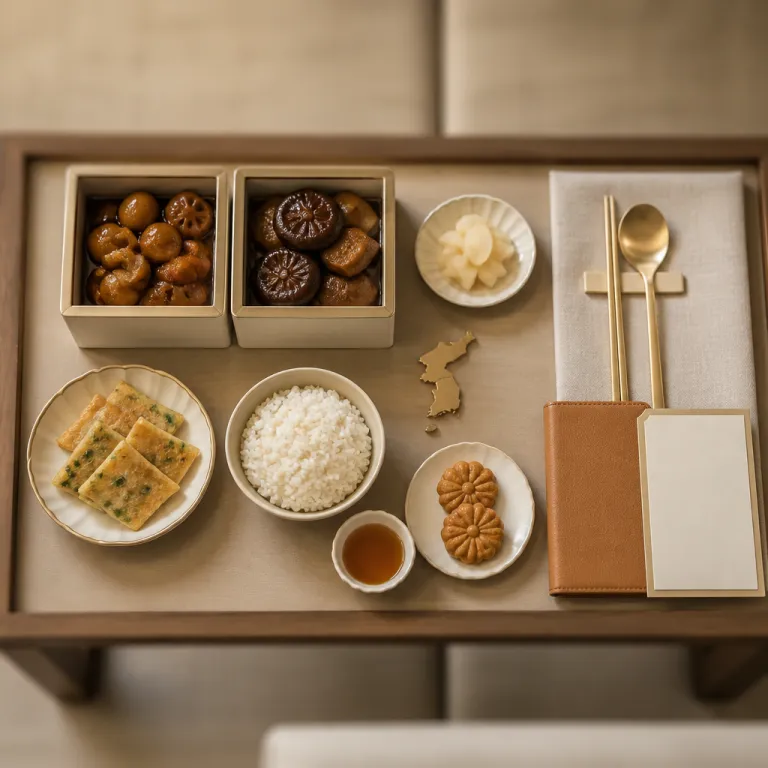
1. Why regional Korean cuisine now defines luxury food travel
Regional Korean cuisine has moved from side interest to central reason to book a stay in South Korea. For many luxury couples planning a trip, food now shapes the entire itinerary rather than simply filling gaps between museum visits and shopping. As more travelers arrive for Korean food–focused journeys, hotels across South Korea are rethinking how they present every dish, from breakfast rice to late night street food–inspired snacks.
Data from major booking platforms shows that food now ranks among the top three motivations to visit the country, and that shift is especially strong among guests choosing premium rooms and suites. According to the Agoda Travel Outlook Report 2023 (Asia edition, section on South Korea), around 34 percent of travelers cite cuisine as a primary reason to visit South Korea, which means culinary travel is no longer a niche interest but a strategic priority for serious properties. Couples who once asked only about spa menus now compare Korean dining options, from temple cuisine tasting menus to curated food tour experiences in smaller cities beyond Seoul.
Luxury hoteliers have responded by partnering with chefs who treat each regional dish as cultural storytelling rather than simple sustenance. In Seoul alone, the 2024 Michelin Guide lists roughly three dozen starred restaurants serving Korean cuisine, a concentration that signals how far Korean culture has elevated its own foods, and that halo now extends to hotel dining rooms in Busan, Jeonju and Gangneung. For guests, this means that a single day can move from refined Korean barbecue at a sky lounge to humble rice cakes and glass noodles at a local market, all framed as one coherent narrative of Korean food and place.
2. From Seoul icons to regional tables: how hotels curate the journey
Seoul remains the natural entry point for most couples, and its luxury hotels now act as orientation hubs for regional Korean food travel. Before heading south or east, many guests spend a day or two in the capital using hotel concierges to map out where to taste specific dishes in their region of origin. A well briefed concierge will not only secure a table at a leading barbecue restaurant but also suggest which rice based dish or fermented side dish to try later in Jeolla or Gyeongsang.
High end properties in Seoul increasingly design pre departure experiences that preview the flavors guests will meet elsewhere in South Korea. At Four Seasons Hotel Seoul, for example, a tasting flight at the hotel’s Korean restaurant might pair small portions of Jeolla kimchi, soy sauce aged in Gyeonggi and seafood focused side dishes from the south coast, each served with a short explanation of the local food culture behind it. Couples who start their trip this way tend to book more structured food tour packages in the regions, because they already understand how one Korean culinary tradition differs from another.
For deeper planning, many travelers now consult specialist guides such as this food obsessed traveler’s guide to hotel dining in Seoul on MySouthKoreaStay, then ask their hotel to mirror that level of detail in Busan or Jeonju. The best properties respond with tailored itineraries that balance fine dining meals with curated street food stops and market visits. A concierge at Signiel Busan describes the goal as “giving guests the confidence to explore local stalls while still feeling looked after.” This mix lets couples move from polished dining rooms to the energy of Gwangjang Market–style halls without losing the comfort and service standards they expect from luxury travel.
3. Inside the kitchens: chef collaborations and elevated regional dishes
The most interesting shift in high end Korean food travel is happening behind the pass, where chefs and hoteliers collaborate with unusual intensity. Rather than importing generic international menus, luxury properties now invite Korean chefs with strong regional roots to shape entire culinary programs. These partnerships turn each dish into a quiet lesson in geography, from Gangwon buckwheat noodles to Jeolla style braised meat served with a dozen seasonal side dishes.
Some of the most influential voices in Korean cuisine today operate both inside and outside Korea, and their work shapes what luxury travelers expect from hotel meals. Chef Hooni Kim, who operates Meju, a Michelin starred restaurant in Queens, New York, has helped international diners understand the depth of Korean food beyond barbecue and fried chicken. In Seoul, Chef Kwon Woo Joong at Kwonsooksoo and Chef Chang Ho Shin of Joo Ok in New York demonstrate how traditional techniques, such as long fermented soy sauce and slow aged kimchi, can sit comfortably in a fine dining context.
Hotels that study these examples are moving beyond token kimchi or a single Korean barbecue night toward full tasting menus that honor temple cuisine, regional rice dishes and carefully sourced vegetables. At Park Hyatt Busan, for instance, a seasonal menu might feature barley bibimbap with coastal herbs, or Andong style jjimdak served with locally brewed makgeolli. Articles such as From bibimbap to Michelin stars: dining experiences that define Korean hospitality on Uncompromised Travel have pushed properties to treat their restaurants as cultural flagships rather than simple amenities. For couples, this means that a stay in South Korea can include a multi course temple cuisine dinner one evening, a modern take on street food the next, and a final night focused on rice cakes and glass noodles, all without leaving the comfort of their chosen hotel.
4. Beyond barbecue: how hotels frame street food and markets for couples
Any exploration of regional Korean flavors would feel incomplete without the chaos and charm of street food, yet many couples hesitate to navigate it alone. Luxury hotels now step into that gap, curating guided walks through markets and alleys where the best foods are served from tiny stalls. In Seoul, that often means an early evening visit to areas modeled on Gwangjang Market, where rice cakes, glass noodles and fried snacks share space with steaming pots of meat rich stews.
Concierges who understand both Korean culture and western comfort levels will suggest specific vendors known for cleanliness, clear pricing and patient service. A typical hotel organized food tour might start with a simple rice dish topped with vegetables and a fried egg, move on to skewers of marinated chicken, then finish with sweet rice cakes and a glass of local alcoholic beverages. Along the way, guides explain how each street dish connects back to home cooked meals in different parts of South Korea, turning casual bites into a structured lesson in regional cuisine.
Outside the capital, coastal and provincial hotels adapt this model to their own strengths, highlighting seafood focused street food in Busan or market stalls near traditional villages in Jeonju. At Ananti Hilton Busan, for example, staff often direct guests to nearby pojangmacha tents for grilled shellfish and spicy fish stews, then arrange a car back to the hotel. Couples who might once have stayed inside for room service now feel confident enough to visit night markets, knowing their hotel will handle logistics and translation. The result is a richer balance between polished restaurant dishes and the unfiltered flavors of Korean food as locals actually eat it day by day.
5. Temple stays, rice bowls and the quiet side of Korean food luxury
Not every couple arrives in Korea seeking only meat heavy feasts and late night barbecue sessions. A growing number now frame their culinary journey around wellness, spirituality and the quieter corners of Korean culture. For these guests, the most memorable meals are often simple bowls of rice, seasonal vegetables and clear broths served in near silence at a temple retreat.
Temple cuisine, which avoids meat and focuses on balance, fermentation and natural flavors, has become a discreet status marker among food focused travelers. High end hotels respond by offering day trips or overnight extensions to monasteries where traditional temple meals are served to small groups, often paired with meditation or tea ceremonies. Guides explain how each side dish, from lightly seasoned vegetables to aged kimchi, reflects both regional produce and centuries of practice in South and even historically in North Korea, though current access to northern temples remains restricted.
For couples planning this kind of stay, resources such as the MySouthKoreaStay guide to temple stays in South Korea where spirituality meets luxury travel provide a useful starting point. Back at their main hotel, guests often find menus that echo temple cuisine principles, with rice based dishes, soy sauce seasoned vegetables and minimal meat options alongside more indulgent foods. At properties like Banyan Tree Club & Spa Seoul, chefs may offer a plant forward tasting menu inspired by monastic cooking. This interplay between austere temple meals and refined hotel dining deepens the sense that Korean food can express many moods, from contemplative to celebratory, within a single trip.
6. Planning your own regional Korean cuisine luxury food itinerary
Designing a food focused travel plan as a couple starts with honest conversation about priorities. If you both dream of late night barbecue, bustling street food and generous meat dishes, focus on Seoul, Busan and Daegu, where hotel concierges can arrange premium grills and curated market visits. When one partner leans toward lighter meals, temple cuisine and rice forward dishes, balance the itinerary with time in Jeonju, Gangwon or a temple stay.
Begin by booking hotels that treat food as a core part of their identity rather than a background service. Look for properties that highlight partnerships with Korean chefs, offer guided food tour options and describe their breakfast as more than a generic buffet of western foods. Ask specific questions before you confirm, such as how many traditional dishes appear at breakfast, whether kimchi and seasonal side dishes are made in house, and if the hotel can arrange visits to markets similar in spirit to Gwangjang Market.
Once dates are set, map each day around one anchor meal and one exploratory experience, whether that is a fine dining tasting menu, a street food crawl or a quiet rice and vegetables lunch at a temple. Remember that South Korea’s efficient trains make it realistic to visit multiple regions in a single trip, turning your stay into a moving feast of rice cakes, glass noodles, fried chicken and carefully paired alcoholic beverages. With thoughtful planning and the right hotel partners, a regional Korean cuisine itinerary becomes less about ticking off famous dishes and more about understanding how local food reflects landscape, history and the rhythm of everyday life.
Key figures shaping luxury Korean food travel
- Approximately 34 percent of international travelers now cite food as a primary reason to visit South Korea, placing cuisine as the third strongest draw among Asian destinations for this segment, according to the Agoda Travel Outlook Report 2023 (Asia insights, South Korea section).
- Seoul hosts around 35 Michelin starred Korean restaurants, a concentration that signals how Korean cuisine has entered the global fine dining conversation and sets expectations for hotel dining standards nationwide, as reported by Uncompromised Travel using 2024 Michelin Guide data for Seoul.
- The Korea Tourism Organization’s K Local Food Hunters 33 initiative brought 33 influencers from 13 countries, with a combined 21.3 million followers, into regional areas, accelerating international awareness of local dishes and supporting hotel led food tour programs, according to KTO campaign summaries and post campaign reports.
FAQ about regional Korean cuisine luxury food travel
What is regional Korean cuisine in the context of luxury travel ?
Regional Korean cuisine in luxury travel refers to traditional dishes specific to different parts of Korea, presented with high service standards and thoughtful storytelling. In practice, this might mean tasting Gangwon style tofu at a mountain resort, Jeolla fermentation focused side dishes at a countryside retreat or Busan pork and rice soups at a coastal hotel restaurant. The emphasis is on authenticity, local ingredients and a clear link between each dish and its place of origin.
Why is Korean cuisine gaining popularity with high end travelers ?
Korean cuisine is gaining popularity because its flavors are distinctive, its use of fermentation feels both ancient and contemporary, and its rituals align well with the slower, more intentional style of luxury travel. Couples appreciate how a single meal can combine rice, vegetables, meat, kimchi and nuanced soy sauce based seasonings in a way that feels balanced rather than heavy. As more Michelin starred chefs and hotels champion these dishes, Korean food has become a marker of cultural depth rather than just a trend.
How can I experience luxury Korean dining beyond Seoul ?
To experience luxury Korean dining beyond Seoul, book properties in Busan, Jeonju, Gyeongju or Gangwon that highlight regional cuisine in their marketing and concierge services. Look for hotels that offer curated food tours, market visits and chef led tasting menus focused on local dishes rather than generic international foods. Combining these stays with a night or two at a temple retreat will give you both refined restaurant experiences and quieter monastic meals.
Are street food and markets compatible with a luxury focused trip ?
Street food and markets can fit beautifully into a luxury focused itinerary when they are framed and supported by your hotel. Many high end properties now offer guided walks through areas similar to Gwangjang Market, selecting vendors known for quality, hygiene and clear communication. This approach lets you enjoy rice cakes, glass noodles, fried snacks and grilled meat in lively settings while still returning to the comfort and calm of a premium room.
What should couples ask hotels before booking a food focused stay ?
Couples planning a culinary centered trip should ask hotels about their restaurant concept, chef background and links to local producers. It is worth confirming whether traditional Korean dishes appear at breakfast, if kimchi and side dishes are made in house, and whether the property can arrange visits to markets, temples or regional restaurants. Clear answers to these questions usually signal a hotel that treats food as a central part of its identity rather than an afterthought.