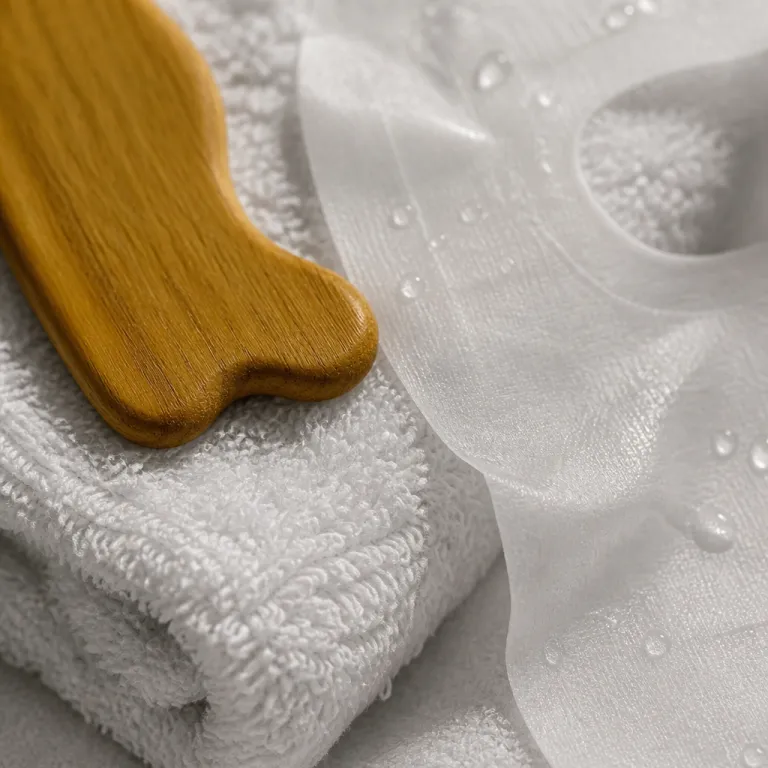
Why Seoul’s power facial culture works for business travelers
Seoul has quietly perfected the art of the fast K-beauty facial for executives who live by their calendars. In the city’s core business districts, you can book targeted skin treatments that reset tired complexions in under 60 minutes, then walk straight into a client dinner looking rested rather than overworked. This is where Korea’s efficiency culture meets luxury hospitality, turning a spare hour between meetings into a calibrated wellness appointment instead of dead time.
Local spas and medical clinics have designed procedures specifically for compressed schedules, from hydrating facials to non invasive laser sessions that leave no visible marks. Session length and pricing vary by provider, but many business focused power facials are structured around a one hour slot and are priced as add ons to a premium hotel stay rather than full medical tourism packages. For business travelers who want glass skin level radiance without downtime, Seoul’s approach to quick treatment and precise timing has become a genuine competitive advantage.
Three types of venues dominate this landscape in South Korea: hotel linked spas, independent skin clinics and full service medical centers. A place like K-Beauty & Spa Yangjae in Gangnam, for example, focuses on deep tissue massages, hydrating facials and head spas that work on both muscles and skin cells. Nearby, clinics such as Lienjang Myeongdong Branch advertise medical grade face procedures like facial contouring injections, which sit closer to beauty tourism and require more planning, but still respect the limited time windows of business travel.
From hotel spa to medical clinic: knowing what you are booking
For a first timer, the hardest part is not finding a treatment in Seoul, but understanding the difference between a hotel spa facial and a medical clinic procedure. A hotel spa power facial usually focuses on relaxation, massage and premium beauty products, leaving your skin looking brighter with zero paperwork and minimal questions. A medical clinic power facial, by contrast, is a regulated medical treatment that may involve lasers, injections or skin booster solutions designed to stimulate collagen and remodel the skin at a deeper level.
Think of it this way: the spa is ideal when you want a quick K-beauty facial that feels indulgent yet discreet, while the clinic is better when you are ready for more intensive beauty treatments with measurable results. In a dermatology clinic, you might combine gentle laser treatments with a hydrating mask and LED therapy, all calibrated to your skin type and business schedule. In a spa such as O HUI & WHOO Spa in Myeongdong, the emphasis is on ritual, texture and scent, using high end Korean beauty products to create that luminous glass skin finish before an evening reception.
Both options can sit comfortably within a single business day, but the level of medical oversight differs. Clinics in Korea regularly require consent forms, basic medical history and sometimes pre treatment photography, especially for laser or injection based procedures. Spas inside luxury hotels, by contrast, usually ask only about allergies and sensitivity, making them easier to book at short notice when a meeting is cancelled or a flight is delayed.
Where to stay in Seoul for fast access to K-beauty treatments
Location is everything when you are trying to fit a facial or light clinic session between back to back meetings. Gangnam’s clinic corridor is particularly attractive, with numerous English speaking skin clinics and medical centers within a 10 to 15 minute walk of major luxury hotels. This density means you can step out of a boardroom, cross the street and be in a treatment room before your next conference call.
In Gangnam, K-Beauty & Spa Yangjae offers hydrating facials and head focused treatments that ease both tension and dullness, ideal after long haul flights. Over in Myeongdong, Lienjang Myeongdong Branch promotes facial contouring injections for slimming effects, which appeal to repeat visitors who already trust Korean medical standards and want more structural changes to the face. Nearby, O HUI & WHOO Spa caters to travelers who prefer non invasive beauty treatments using prestige beauty products, with therapists trained to adapt protocols for sensitive skin and tight time frames.
Several high end hotels now partner with nearby clinics in bundled treatment packages, offering concierge managed bookings, car transfers and sometimes in room consultations. The exact inclusions differ by property, but these collaborations are particularly useful when you want to compare price options for different procedures or coordinate a series of visits over three months of repeat trips. If you are traveling with family, it is worth reading how Korean luxury hotels program for traveling parents and kids on this detailed guide to family focused luxury floors, then choosing a property that balances child friendly amenities with serious wellness infrastructure.
Hotel spa partnerships and what they really offer
Some premium hotels in Seoul now advertise direct partnerships with nearby skin clinics, and the value of these arrangements varies. At their best, they give you priority booking at reputable clinics, English speaking coordinators and transparent information about each treatment, from expected results to recovery time. At their weakest, they are little more than a referral list, leaving you to navigate the medical side alone.
When evaluating a hotel’s wellness offer, ask specific questions about which clinic they work with, what kind of procedures are available and whether any medical staff visit the hotel for consultations. A strong partnership will often include pre arrival questionnaires, so the clinic can recommend appropriate laser treatments, skin booster sessions or hair removal options before you land in South Korea. This level of planning is particularly helpful if you are considering a series of visits over several trips, such as quarterly collagen boosting facials that keep your skin cells in peak condition.
For executives who value discretion, hotel linked clinics can also manage back of house transfers, so you move between your room and the clinic without crossing the main lobby. That matters when you are trying to keep beauty tourism separate from your public professional image. It also means you can schedule a quick K-beauty facial early in the day, then return to your suite to work while any mild redness settles before afternoon meetings.
What can really be done in 60–90 minutes with no downtime
The most common question from business travelers is simple: what can I safely do to my skin in under 90 minutes and still walk into a meeting looking polished. The answer lies in a cluster of non invasive procedures that focus on hydration, circulation and gentle stimulation of collagen rather than aggressive resurfacing. These are the quiet workhorses of Seoul’s power facial culture, designed for visible freshness rather than dramatic transformation.
Classic hydrating facials with lymphatic massage remain the safest entry point, especially after a long haul flight that leaves skin dehydrated and puffy. Many clinics in Seoul now combine cleansing, exfoliation, a mild skin booster ampoule and LED light in a single session, which brightens the face and calms inflammation without any peeling. In parallel, spa based beauty treatments use cooling masks and massage to encourage microcirculation, so your skin looks smoother and more even by the time you return to the hotel elevator.
For those comfortable with medical interventions, low energy laser treatments can target redness or pigmentation with minimal risk of visible marks, provided the settings are conservative and tailored to your skin type. Gentle hair removal on small areas, such as the upper lip or jawline, can also be done quickly, though you should avoid first time large area laser work if you have a crucial presentation the same day. The key is to be honest about your schedule and ask the clinic directly which procedures are designed for no downtime, then book accordingly.
Post treatment etiquette when you still have meetings
Once you have invested in a quick facial or clinic session, the next challenge is managing the rest of your day. Most non invasive treatments in Seoul will simply leave your skin slightly dewy, which reads as healthy rather than overdone under office lighting. Still, there are a few rules that experienced travelers follow to protect their results and their professional image.
First, avoid heavy makeup immediately after a medical grade treatment, especially if you have had any form of laser or skin booster injection. A light tinted sunscreen is usually enough, and many Korean skin clinics will apply a protective layer for you before you leave. Second, plan indoor meetings for the afternoon if possible, as direct sun exposure on freshly treated skin cells can compromise both comfort and collagen stimulation.
Finally, build in at least 30 minutes of quiet time back at your hotel to assess how your face looks before stepping into a high stakes negotiation. This is where the privacy of a luxury room pays off, letting you adjust grooming, hair and wardrobe without rushing. If you are curious about how these wellness habits intersect with broader healing tourism policy, the government’s support for designated wellness destinations is analysed in depth in this report on South Korea’s healing tourism law, which also touches on standards for beauty tourism services.
Navigating Korean skin clinics as a non Korean speaker
Walking into a Korean medical clinic for the first time can feel intimidating, especially if you are used to hotel spas handling everything in your native language. The reality in Seoul is more reassuring, as many clinics that cater to international clients have English speaking coordinators and clear intake procedures. Still, preparation matters when you are trying to fit a quick K-beauty treatment into a tight schedule.
Before you travel, use the clinic’s website or email to confirm whether they have English speaking staff on the day you plan to visit. Some travelers rely on tools like Google Translate for initial research, but you should not depend on machine translation for medical consent forms or explanations of laser settings. Reputable skin clinics will either provide bilingual documents or walk you through each step verbally, especially when discussing price, expected results and any risks associated with specific procedures.
On arrival, expect to fill out a short medical history, including allergies, medications and previous treatments you may have tried. If you are considering laser treatments or injections, bring a list of any recent procedures, even if they were done outside South Korea, so the doctor can avoid overlapping protocols. Many clinics also take standardized photographs of your face before and after treatment, which helps track changes over three months or longer if you become a regular visitor.
Paperwork, payment and realistic expectations
Compared with many Western medical systems, Korean skin clinics tend to be streamlined, but they are still regulated medical environments. You will usually sign consent forms for any procedure that goes beyond a basic facial, especially when lasers, needles or prescription strength products are involved. Take the time to read these carefully, and do not hesitate to ask for clarification in English if any term feels unclear.
Payment is typically taken after the consultation but before the treatment, once you have agreed on the exact procedures and price. Many clinics accept international credit cards, and some offer itemized receipts that can be useful if your company reimburses wellness expenses during business travel. If you are planning a series of visits over three months, ask whether there are package rates for repeat sessions, which can make regular maintenance more cost effective.
Most importantly, align your expectations with the nature of a business travel power facial in Seoul. These sessions are designed to refresh and subtly enhance, not to deliver dramatic surgical level change overnight. When you treat them as part of a long term strategy for maintaining healthy skin cells and collagen, rather than a one off miracle, the results feel both more natural and more sustainable.
The rise of male grooming and executive K-beauty rituals
One of the most interesting shifts in Seoul’s wellness scene is the quiet rise of male executives booking facials and clinic treatments between meetings. What began as a curiosity has evolved into a steady stream of business travelers who see skincare as part of their professional toolkit. In this context, the quick K-beauty facial becomes less about vanity and more about presenting a rested, competent face in high pressure environments.
Clinics and spas have responded with menus that speak directly to male concerns, from enlarged pores and oil control to stress related redness around the nose and cheeks. Many offer gender neutral treatment names, focusing on results such as improved texture, stronger collagen support and reduced shaving irritation rather than overtly feminine branding. Hair removal services have also expanded, with precise laser work on the neck and jawline that reduces ingrown hairs and makes daily grooming faster, which is particularly appreciated by frequent flyers.
For male travelers who are new to Korean skin culture, starting with a simple hydrating facial or gentle laser toning session is often the most comfortable entry point. Therapists can then suggest a longer term plan, perhaps adding a quarterly skin booster treatment or targeted beauty sessions during future trips. Over time, these executives often become some of the most loyal clients, integrating treatments into their regular travel routines as naturally as they schedule airport transfers.
How hotels are normalizing K-beauty for all genders
Luxury hotels in South Korea have played a quiet but decisive role in normalizing K-beauty rituals for all genders. By integrating facials and clinic referrals into standard concierge services, they frame skincare as a practical wellness choice rather than a niche indulgence. This shift is particularly visible in properties that host large numbers of international conferences and corporate roadshows.
Concierges now routinely suggest a quick facial alongside restaurant reservations, especially for guests arriving on early morning flights. Some hotels offer in room grooming kits curated with Korean beauty products, from calming sheet masks to lightweight moisturizers that support glass skin effects without feeling heavy. Others collaborate with nearby skin clinics to design executive packages that combine a short facial, a neck and shoulder massage and optional hair line tidying, all timed to fit between scheduled sessions.
As these services become more visible, the stigma around male grooming continues to fade, replaced by a pragmatic focus on performance and presence. In a culture where attention to detail is prized, arriving at a negotiation with clear eyes and balanced skin reads as a sign of discipline rather than vanity. For the modern business traveler, that is a small but meaningful edge in a competitive environment.
Key statistics shaping Seoul’s K-beauty business travel scene
- Official tourism and health data from the Korean government indicate that hundreds of thousands of foreign patients visit South Korea each year for beauty and medical treatments, reflecting the country’s status as a global hub for beauty tourism and advanced skin clinics.
- Government initiatives such as the K-Wellness Tourism Act classify beauty and spa services as part of official healing tourism, which encourages higher standards for clinics and clearer information for international visitors.
- In Seoul’s core districts, many power facial style treatments are structured around a 60 minute appointment, with pricing positioned so that professionals can realistically book sessions during a lunch break or between meetings.
- Numerous express facials and non invasive laser treatments are designed to fit within 45 to 90 minutes, with protocols specifically tailored to avoid visible downtime so business travelers can return to work immediately.
- Dermatology clinics in Gangnam and Myeongdong increasingly report repeat visits from international executives over three months or longer, as travelers integrate treatments into their regular business itineraries.
FAQ: quick K-beauty treatments for business travelers in Seoul
What is a Power Facial in the context of Seoul business travel
What is a Power Facial? A quick facial treatment combining cleansing, massage, and hydration. In Seoul, this concept has evolved into targeted sessions that refresh the face, support collagen and improve skin texture in about an hour. For business travelers, the appeal lies in the ability to book these treatments between meetings and return to work immediately.
How long does a typical quick facial or clinic session take
How long does a Power Facial take? Typically around 60 minutes. Many clinics and spas in South Korea design their beauty treatments to fit within 45 to 90 minutes, which aligns with common gaps in corporate schedules. This timing allows you to combine a facial, optional low intensity laser work and a short massage without disrupting your working day.
Are these K-beauty treatments suitable for all skin types
Are Power Facials suitable for all skin types? Yes, they can be customized for different skin types. During your consultation, the therapist or doctor will assess your complexion, current concerns and any previous procedures before recommending specific products or laser settings. Sensitive skin cells can usually be accommodated with gentler protocols and calming masks.
How far in advance should I book a treatment in Seoul
For peak business periods, it is wise to book at least a few days ahead, especially if you want an English speaking coordinator or a specific clinic. Some hotel concierges can secure same day appointments at partner skin clinics, but last minute slots are harder to find during conference seasons. If you plan a series of visits over three months, schedule the next appointment before leaving Seoul to lock in your preferred time.
Which treatments should I avoid before important meetings
If you have a high stakes presentation or media appearance, avoid aggressive laser treatments, deep chemical peels or first time injectable procedures within several days of the event. These can cause temporary redness, swelling or flaking that is difficult to conceal under office lighting. Instead, opt for hydrating facials, mild skin booster masks or low energy laser toning that leave your skin looking fresh and polished without visible downtime, then continue reading clinic recommendations for more intensive work on a future trip.