Why luxury apartments in Seoul suit discerning hotel guests
For travelers used to five-star hotels, luxury apartments in Seoul offer a different kind of privacy and space. In the heart of Seoul, choosing an upscale serviced residence instead of a traditional hotel can mean larger rooms, full kitchens, and a quieter stay that still feels indulgent. Many premium apartments now match leading hotels in service, from concierge-style support to daily housekeeping, while giving you the feeling of a private house.
The city has seen a surge in high-end rentals as urban living in South Korea evolves, and this shift benefits travelers who want more than a standard room. According to 2024 estimates based on data summarized by housing platforms such as Seoul Homes and Numbeo, the average monthly rent for a one-bedroom apartment in central Seoul is roughly 1,500,000 KRW, which helps you benchmark nightly rates when comparing hotel suites with serviced apartments. For guests planning a longer stay of a week or a month, a well-located unit often delivers better value in KRW than booking multiple hotel rooms, especially for families or small groups.
Premium Seoul apartments aimed at international visitors usually include hotel-grade air conditioning, secure parking, and 24-hour support in both English and Korean. These options are concentrated in central areas such as Gangnam, Jongno, and the Yongsan district, where you can walk to major sights yet retreat to a calm residential tower. When you compare an apartment south of the river with a luxury hotel suite in the same district, you often gain a separate living room, a full laundry, and more flexible check-in, which matters after a long flight into South Korea.
Reading Seoul’s neighborhoods through their luxury apartments
Each district in Seoul tells a different story, and high-end apartments are one of the clearest ways to read those stories. In Gangnam, a typical Seoul apartment in a new tower might feature floor-to-ceiling windows, underground parking, and hotel-style air conditioning systems that keep every room perfectly tempered. North of the river, a restored house divided into serviced studio units can feel more intimate, especially in lanes marked as gil, the narrow streets that give central Seoul its human scale.
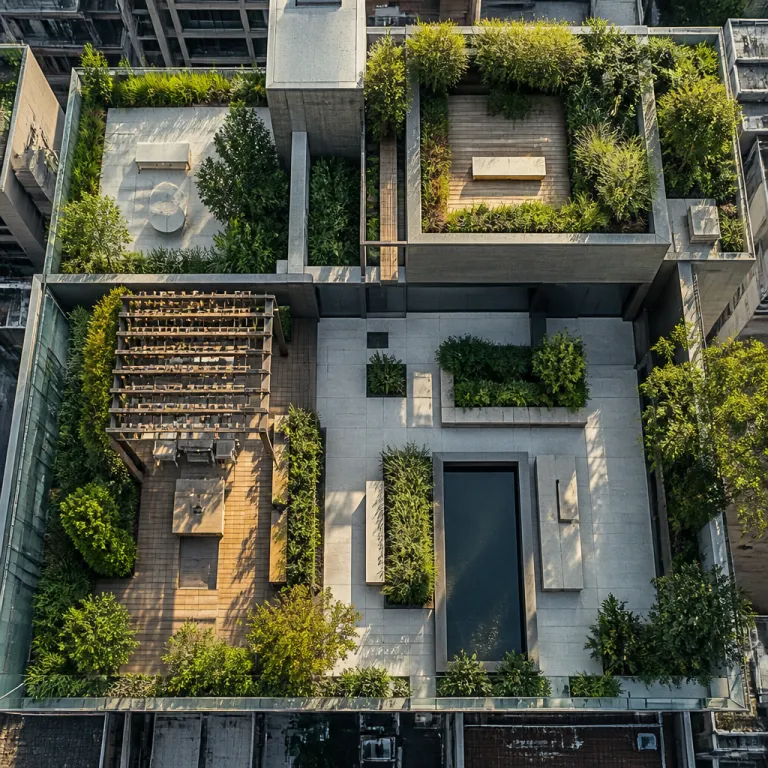
Travelers who usually book design-forward hotels will find similar aesthetics in contemporary South Korea apartment complexes that blend concrete, glass, and warm wood. Many of these residences echo the design language explored in Seoul’s new wave hotel architecture, but they translate it into private apartments with generous living rooms. When you choose a luxury apartment in a central district, you gain the ability to step directly into local markets, cafés, and galleries, then return to a quiet room that feels like your own.
For guests who value cultural immersion, staying in an apartment south of the river in areas like Seocho or Jamsil offers a different rhythm from the tourist-heavy north. These neighborhoods in Seoul are filled with residents rather than visitors, so your rented flat becomes a base for exploring daily life in South Korea. Whether you choose compact studio rentals or larger family-sized apartments for rent, the surrounding city blocks and gil lanes shape your experience as much as the interior design.
From hotel suite to serviced apartment: how to choose your style of stay
Many travelers start by searching for luxury hotels, then realize that serviced apartments in Seoul offer similar comfort with more autonomy. If you are used to a spacious suite, look for a premium Seoul apartment with at least one separate room for sleeping and another for living, rather than a compact studio. This layout gives you the same sense of separation you expect in a high-end hotel, while the kitchen and laundry turn your stay in Seoul into something closer to temporary city living.
Inside a high-end residence, you will notice that the layout prioritizes efficiency without feeling cramped. Even compact studio units usually include a defined sleeping area, a small but well-equipped kitchen, and a separate bathroom with hotel-quality fixtures. Larger apartments add a living room, a dining corner, and sometimes a small balcony overlooking the city or a quiet gil, which can make longer visits feel more like home.
Platforms such as Hometown Realty and Seoul Homes specialize in long-term and short-term rentals in Seoul, and they curate many of the most refined properties citywide. Their listings help you compare nightly rent in KRW with monthly leases, which is essential when you are deciding between a hotel and an apartment south of the river. For guests who love residential neighborhoods, some of the most characterful options are traditional house conversions in central Seoul, where each room has been reimagined as a private suite with hotel-level linens and strong air conditioning.
If you prefer the energy of Gangnam but want more privacy than a tower hotel, consider high-end residences highlighted in guides to Gangnam houses reimagined as luxury stays. One frequent guest described her serviced loft there as “a boutique hotel suite with a front door key instead of a keycard.” These properties blur the line between South Korea apartment and hotel, offering serviced rooms, concierge assistance, and secure parking while remaining firmly in the residential fabric of Seoul. Whether you choose a compact studio or a multi-room apartment, the key is to match the property’s services with your expectations from a premium hotel.
Hidden gem districts: gonghang dong, sangam dong, and the DMC skyline
Travelers who want something quieter than central Seoul often overlook the northwest, where gonghang dong and sangam dong offer polished apartments with a more local feel. In gonghang dong, close to the airport corridor, you will find modern towers with generous parking, strong air conditioning, and easy access to both the city and flights. These rentals are ideal if you plan a multi-stop journey across South Korea and need a calm base between trips.
Further east, sangam dong has transformed from industrial land into a media and technology hub, and its skyline now features some of the most striking Seoul apartments. Complexes such as Prugio City, DMC Prugio, and the broader Sangam DMC area offer serviced studio units and larger rooms that feel like hotel suites, but they operate as residential buildings. For travelers who value design, a high-floor apartment in Prugio City or DMC Prugio gives you sweeping views of the city and quick subway access to central Seoul.
These hidden gem districts in South Korea are particularly appealing for longer stay periods of a month or more, when you want lower rent without sacrificing comfort. Nightly rent in gonghang dong or sangam dong often undercuts central hotel rates, especially for larger apartments for rent with multiple rooms. If you are combining a few days in Seoul with time on Jeju Island, these neighborhoods pair well with a resort-style escape such as those featured in guides to luxury hotels in Jeju with private pools.
What to expect inside a premium Seoul apartment
Stepping into a top-tier Seoul apartment, you can expect finishes and fittings that feel close to a boutique hotel. Climate control is a major strength of modern South Korea apartment design, and you will usually find powerful air conditioning and underfloor heating in most new builds. For travelers sensitive to temperature, this makes an apartment south of the river just as comfortable as a luxury hotel, especially during humid summers in Seoul.
Many serviced rentals in Seoul also include hotel-style amenities such as high thread count linens, premium toiletries, and weekly cleaning, which elevate the experience beyond a standard house rental. In larger units, a separate laundry area with a washer-dryer is common, allowing you to pack lighter and refresh clothes during a longer stay. Thoughtful storage, blackout blinds, and sound-insulated windows further support restful nights in busy parts of the city.
Parking is another point where premium Seoul apartments often outperform central hotels, particularly in dense parts of South Korea. Underground parking bays with secure access are common in towers like Prugio City and DMC Prugio, making it easier to rent a car for day trips outside Seoul. Whether you choose a compact studio or a multi-room apartment, check that the property lists both air conditioning and parking clearly, as these two features most strongly influence comfort in the city.
Budgeting, booking, and practical tips for apartment stays
When you compare prices between hotels and apartments in Seoul, always convert the total rent into a nightly rate in KRW. A one-bedroom Seoul apartment that costs around 1,500,000 KRW per month can be competitive with upscale hotel rooms, especially if you are staying longer than a week. For families or groups, two-bedroom residences often replace the need for booking multiple hotel rooms, which keeps your overall budget under control.
Booking channels for premium South Korea apartment stays include specialized agencies such as Hometown Realty, online platforms like Seoul Homes, and direct owner listings. These methods mirror the broader rentals market in Seoul, where online listings, mobile applications, and property management services work together to support both residents and visitors. When you evaluate apartments for rent, pay attention to whether utilities, air conditioning, and parking are included in the quoted rent in Seoul, as these extras can significantly change the final cost.
Practical habits will make your stay in South Korea smoother, whether you choose a central apartment south of the river or a quieter place in gonghang dong or sangam dong. Research each district before you book, use public transport rather than relying on parking, and learn a few basic Korean phrases to communicate with building staff. With these steps, your chosen apartment in Seoul becomes more than just a room to sleep in; it turns into a refined base for exploring every corner of the city.
Key figures on Seoul’s luxury apartment stays
- The average monthly rent for a one-bedroom apartment in Seoul is estimated at around 1,500,000 KRW in 2024, based on figures reported by local agencies and crowd-sourced databases such as Numbeo, which positions many serviced residences as strong competitors to upscale hotel suites for longer stays.
- Seoul Metropolitan Government housing statistics indicate that tens of thousands of new apartments citywide have been added in recent years, expanding options for both residents and travelers seeking premium rentals.
- High demand for smart South Korea apartment units with integrated home technology has grown steadily, reflecting a shift toward connected living among both locals and international guests in Seoul.
- Foreign investment in South Korea real estate has increased, and foreigners are allowed to buy Seoul apartment units, which indirectly supports a more diverse supply of serviced apartments for rent for visitors.
- New complexes in areas such as Sangam DMC, including Prugio City and DMC Prugio, have added hundreds of modern studio and multi-room units, many of which operate as high-quality short-term rentals in Seoul.
FAQ about luxury apartments in Seoul for travelers
What is the average rent for an apartment in Seoul for travelers?
For a one-bedroom apartment in Seoul, the average monthly rent is about 1,500,000 KRW according to aggregated 2024 market estimates from platforms like Seoul Homes and Numbeo, and serviced units aimed at visitors often price slightly higher but include furnishings, air conditioning, and utilities. When divided by nights, this can be competitive with premium hotel rooms, especially for stays longer than a week. Always compare the total cost of rent in Seoul with equivalent hotel options in the same district.
Can foreigners book or buy apartments in Seoul?
Foreign visitors can freely book serviced Seoul apartments for short or medium-term rentals, and payment is usually made in KRW by card or bank transfer. Foreigners are also allowed to purchase an apartment in Seoul under South Korean law, which has encouraged more international-grade developments in the city. This openness helps expand the pool of high-quality apartments for rent that operate similarly to hotel residences.
Which neighborhoods are best for luxury apartment stays instead of hotels?
Gangnam and central Seoul remain prime choices for travelers who want easy access to shopping, dining, and business districts while staying in premium apartments in Seoul. For quieter stays with strong transport links, areas such as gonghang dong and sangam dong offer modern towers like Prugio City and DMC Prugio in the Sangam DMC cluster. Your ideal South Korea apartment location depends on whether you prioritize nightlife, cultural sites, or a calm residential atmosphere.
What sizes of apartments are common for visitors in Seoul?
Serviced rentals in Seoul for travelers range from compact studio units to spacious multi-bedroom apartments that resemble full homes. Solo guests and couples often choose a studio or one-bedroom apartment south of the river, while families prefer two or three-bedroom layouts with separate rooms and larger living areas. These configurations allow you to match the space of a hotel suite or even a small house while enjoying residential privacy.
How should I compare a luxury hotel with a serviced apartment in Seoul?
Start by listing the services you value most in a hotel, such as daily cleaning, concierge support, parking, and strong air conditioning, then check which apartments in Seoul offer the same features. Convert the total rent of each apartment in Seoul into a nightly rate in KRW and compare it with similar hotel rooms in the same district. For longer stays in South Korea, the extra space, kitchen facilities, and privacy of a premium South Korea apartment often outweigh the advantages of a traditional hotel.