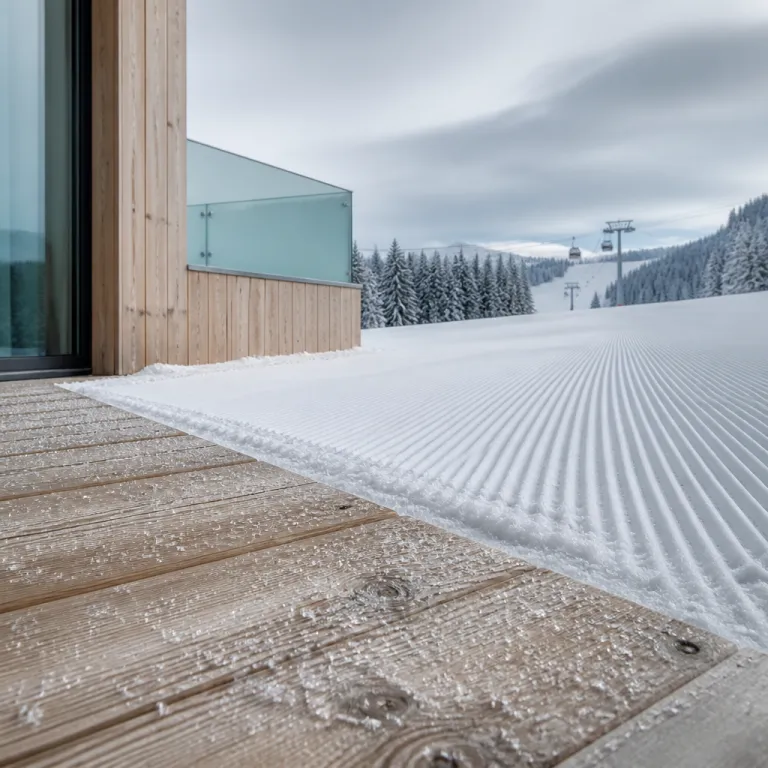
Why ski areas in South Korea suit luxury‑focused travellers
South Korea has quietly become one of Asia’s most polished ski destinations. For travellers who value refined service, efficient logistics and easy access from Seoul, the main ski areas in South Korea offer a compelling balance between mountain adventure and urban sophistication. Many premium ski resort properties now design their guest journey around short transfers, seamless ski lifts access and curated après ski experiences that feel distinctly Korean, from modern hanjeongsik dinners to evening soaks in onsen-style baths and jjimjilbang spa zones.
Across the country there are around 17 operational ski resorts (Korea Tourism Organization, 2023), concentrated mainly in Gangwon and Gyeonggi provinces, which means you can plan a winter trip that combines several resorts in Korea within a single week. The longest ski slope in South Korea stretches about 6.1 km at Muju Deogyusan (Muju Deogyusan Resort data, 2023; Snow Online, 2023), giving intermediate skiers a satisfying valley ski run that rivals some European slopes while still being reachable from Seoul in a manageable day tour. Because the ski season in South Korea typically runs from late November to early April, depending on yearly conditions and resort operations, high-end visitors can time their stay for quieter midweek days or peak snow conditions depending on their priorities.
For guests booking premium hotels, the appeal goes beyond the snow itself. Many of the best ski areas in South Korea sit within broader resort complexes that include wellness centres, fine dining and family friendly snow parks, which makes it easier to satisfy different expectations within one trip. If you are planning a longer winter holiday, you can pair a few days of skiing Korea’s major mountains with nights in Seoul’s high end districts, using the capital as a base for flexible day tours to nearby ski parks and snow parks, or as a final stop for shopping and tasting menus before flying home.
From Seoul to the slopes: planning day trips and short ski breaks
One of the strongest advantages of ski areas in South Korea is how close several resorts sit to Seoul. For travellers staying in luxury hotels in Gangnam or Jongno, it is entirely realistic to arrange a private transfer for a full ski day, return to the city within a few Seoul hours and still enjoy a late dinner at a Michelin listed restaurant. Typical transfer times range from about 70–90 minutes by car or shuttle to Vivaldi Park and Oak Valley, and roughly two hours to Welli Hilli Park in normal traffic, which allows you to treat skiing Korea almost like an urban activity rather than committing to a full week in a remote mountain valley.
Resorts near Seoul, such as Vivaldi Park Ski World, have become favourites for premium travellers who want reliable snow, efficient ski lifts and a broad choice of slopes without a long transfer. Vivaldi Park, for example, offers more than ten lifts and a mix of beginner to advanced runs, with extensive night skiing that suits late risers. Many high end booking platforms now package Vivaldi Park day tour options that include equipment rental, lift passes and access to the main ski park zones, so you can leave your hotel in Seoul with only personal gear. When comparing resorts near Seoul, look at how each ski resort structures its VIP services, including private instructors, heated waiting lounges and direct shuttles from selected luxury hotels in districts such as Jamsil or Yeouido.
If you prefer to stay closer to the mountains, consider pairing a Seoul city break with a night or two in a design forward property in Gangnam that has been reimagined as a luxury hotel stay, using it as your base before heading east to the best ski resorts in Korea. A simple two to three day pattern might involve one day tour from Seoul to Vivaldi Park, followed by a transfer to a boutique lodge near Oak Valley for slower skiing and spa time. Many travellers now structure their winter tour around two or three resorts in South Korea, starting with a quick day tour from Seoul, then moving on to longer stays in more remote valley ski areas. This flexible pattern works especially well for families or couples who want to balance shopping, culture and skiing within a single South Korea itinerary.
Yongpyong, Pyeongchang and the rise of destination ski resorts
For travellers who see skiing as the centrepiece of their trip, the highland ski areas in South Korea around Pyeongchang offer the most complete mountain experience. Yongpyong Resort, often cited as the largest ski resort in South Korea with more than 20 lifts and over 25 runs (Yongpyong Resort statistics, 2023; Korea Tourism Organization, 2023), anchors this region with extensive slopes, modern ski lifts and a long standing reputation among Korean skiers. Many discerning visitors choose Yongpyong ski holidays because they can combine serious skiing with on site wellness facilities and premium dining, rather than commuting back to Seoul each day.
The broader Pyeongchang area, which hosted major Winter Olympic events in 2018, now features several destination style ski resorts in Korea that appeal to guests seeking multi day stays. Alpensia Resort and nearby properties have invested heavily in snow making, grooming and ski park infrastructure, which helps maintain consistent snow conditions throughout the winter season even when natural snowfall fluctuates. When you book a high end hotel here, you can expect direct slope access, heated ski storage and concierge teams who understand the specific needs of skiing Korea, from arranging private guides to scheduling spa treatments around your time on the mountain.
Yongpyong resort also works well for travellers who want to explore Korean culture between ski days. Many guests combine a few days on the slopes with a heritage themed tour elsewhere in South Korea, using curated itineraries that might include temple stays or traditional hanok accommodations in historic cities. A typical four day outline could involve two full ski days in Pyeongchang, followed by a transfer to a hanok village for slow walks, tea ceremonies and market visits. If you are interested in sleeping inside history after your time in the snow, it is easy to connect from Pyeongchang to heritage stays across the country, creating a South Korea journey that moves gracefully from winter sports to cultural immersion.
Vivaldi Park, Oak Valley and Welli Hilli for stylish short stays
Not every traveller wants the scale of Yongpyong, and this is where mid distance ski areas in South Korea excel for luxury weekend breaks. Vivaldi Park has become a reference point for many Korean families and couples because it combines a lively snow park atmosphere with well organised services and a range of slopes suitable for different levels. For premium guests, the key is to choose room categories that offer mountain views and easy access to the main ski lifts, so you can move from suite to slope in minutes and watch the night skiing lights flicker across the hills.
Oak Valley and Welli Hilli Park provide a slightly quieter alternative while still remaining reachable from Seoul within a few hours by private transfer. Oak Valley ski resort is known for its tree lined runs and relaxed valley ski feel, which appeals to travellers who prefer a more tranquil winter setting with space for gentle skiing and long lunches. Average winter temperatures here often sit just below freezing, keeping the snow firm without being harsh. Welli Hilli, by contrast, has built a strong reputation among snowboarders and freestyle skiers thanks to its terrain focused snow park and half pipes, yet it also offers comfortable accommodations and spa facilities that suit a more refined audience.
When comparing these resorts in Korea, consider how each one fits the rhythm of your overall trip. Vivaldi Park works beautifully as a first stop for a short day tour from Seoul, especially if you are staying in a city hotel where the restaurant drives the booking and you want to return for a late tasting menu. Oak Valley and Welli Hilli are better choices if you plan to spend several days in the mountains, alternating between skiing, spa time and slow mornings in your suite while watching the snow fall across the South Korean countryside. For budgeting, expect mid range rooms at these resorts to start from roughly the upper three figure range per night in peak season, with premium suites and residences priced higher depending on view, size and direct slope access.
Seoul’s hidden gems for luxury stays around a ski itinerary
For many travellers, the most memorable ski areas in South Korea are framed by what happens before and after each day on the slopes. Seoul offers a wealth of hidden gem hotels that pair beautifully with winter sports, especially in neighbourhoods like Seochon, Ikseon dong and the quieter corners of Gangnam. These properties often occupy discreet buildings on side streets, yet inside you will find refined Korean design, attentive service and easy access to transport hubs for early morning departures to ski resorts near Seoul. In winter, heated floors, thick duvets and floor to ceiling windows make returning from the cold feel particularly indulgent.
When planning a winter trip, consider structuring your Seoul stay around districts that allow quick access to both culture and transit. A hotel near Gwanghwamun or City Hall, for example, lets you reach major bus terminals for Korea ski transfers while still being able to walk to palaces, galleries and contemporary restaurants in the evening. In these areas you can spend the day exploring the city, then return to a calm suite where staff can help you confirm snow conditions, arrange equipment rental and fine tune your next day tour to a chosen ski resort. Many concierges are familiar with shuttle timetables and can coordinate early breakfast, luggage storage and late check outs around your ski plans.
Some of the best ski focused itineraries pair a few nights in a heritage inspired property in central Seoul with a move to a more contemporary hotel in a residential district, giving you two distinct perspectives on the city. This approach works especially well for travellers who want to experience both the historic heart of South Korea and the modern lifestyle that shapes today’s Korean capital. By treating Seoul as more than just a transit point to the slopes, you elevate the entire skiing Korea experience into a richer, more layered journey that moves from lantern lit alleyways to glass walled rooftop bars within a single week.
How to choose and book the best ski resort stay
Selecting the right ski areas in South Korea starts with clarifying your priorities. If your main goal is to maximise time on the slopes, focus on destination style ski resorts in Korea such as Yongpyong Resort, High1 or Muju Deogyusan, where you can ski from morning to evening without long transfers. High1, for instance, offers a vertical drop of more than 600 m and a broad spread of intermediate runs that suit confident skiers (Snow Online and resort data, 2023). Travellers who prefer a balance between city life and winter sports should look at resorts near Seoul, including Vivaldi Park, Oak Valley and Welli Hilli, which support easy day trips and flexible itineraries.
When evaluating a ski resort for a luxury stay, pay close attention to how the property manages snow reliability, lift infrastructure and guest services. Many Korean resorts use advanced snow machines and grooming techniques to maintain consistent snow quality across their slopes from November to April, which is especially important if your trip dates are fixed. Average natural snowfall can vary significantly by year, so snow making capacity often matters more than raw snow depth. Check whether your chosen resort offers priority lines at ski lifts, private instructors, heated lockers and concierge teams who can coordinate transfers, equipment rental and restaurant reservations across both the resort and Seoul.
Booking through a specialised South Korea platform can also add value, particularly if you want to combine skiing with cultural stays elsewhere in the country. Look for agencies or websites that understand both the technical side of skiing Korea and the nuances of South Korean hospitality, so they can recommend the best ski options for your level and style and suggest suitable hotel categories and price bands. As one expert style summary notes, based on Korea Tourism Organization and resort sources, “Yongpyong Resort is the largest ski resort in South Korea. The ski season typically runs from November to April. Yes, resorts like Vivaldi Park are close to Seoul.”
Key figures on ski areas in South Korea
- South Korea currently offers about 17 operational ski resorts (Korea Tourism Organization, 2023), giving travellers a dense network of options within a relatively compact territory compared with many other Asian destinations.
- The longest continuous ski slope in South Korea measures about 6.1 km at Muju Deogyusan (Muju Deogyusan Resort and Snow Online, 2023), providing a valley style descent that allows intermediate skiers to enjoy extended runs without repeating lifts too often.
- The national ski season typically runs from late November to early April, with peak winter conditions usually occurring around January, which helps travellers plan trips around both snow reliability and crowd levels.
- Many major ski areas in South Korea are located within a few hours of Seoul by road, which enables same day return trips and supports flexible itineraries that combine city stays with mountain excursions for luxury travellers.
FAQ about ski areas in South Korea
What is the largest ski resort in South Korea ?
Yongpyong Resort is recognised as the largest ski resort in South Korea, with extensive slopes, multiple ski lifts and a broad range of runs for different ability levels (Yongpyong Resort, 2023; Korea Tourism Organization, 2023). It sits in the Pyeongchang region, which has become a focal point for winter sports tourism. Many luxury travellers choose Yongpyong for multi day stays that combine skiing with spa and dining experiences.
When does the ski season run in South Korea ?
The ski season in South Korea typically runs from November to April, although exact opening and closing dates vary slightly by resort and yearly snow conditions. Early season often relies more on artificial snow, while mid winter usually offers the most natural snow coverage. Travellers seeking quieter slopes often target early December or late March for their trips, when accommodation prices can also be more flexible.
Are there ski resorts close to Seoul for day trips ?
Yes, several ski resorts near Seoul are well suited to day tours, including Vivaldi Park, Oak Valley and Welli Hilli. These resorts can usually be reached within a few hours from central Seoul, either by shuttle bus or private transfer. Many luxury hotels in the city can help arrange transport and lift packages for a seamless ski day, ensuring you have equipment ready on arrival and a warm car waiting when you finish.
Which ski areas are best for luxury and premium stays ?
For destination style luxury, Yongpyong Resort, Alpensia and High1 stand out thanks to their larger ski domains and resort style facilities. Travellers who prefer to base themselves in Seoul and make day trips often favour Vivaldi Park or Oak Valley, pairing them with high end city hotels. The best choice depends on whether you prioritise extensive slopes or a mix of skiing and urban experiences, as well as whether you value spa access, fine dining or family friendly snow parks most.
Do South Korean ski resorts cater well to international travellers ?
Most major ski areas in South Korea now provide English language signage, rental services and ski schools that can support international guests. Resorts used to hosting overseas visitors, such as those in Pyeongchang and near Seoul, tend to have staff trained for global clientele. Booking through a specialist platform can further smooth the experience by coordinating transfers, equipment and accommodation in advance, and by advising on the best time of season for your preferred snow conditions.
References
- Korea Tourism Organization – Overview of ski areas and resorts in South Korea (accessed 2023).
- Yongpyong Resort and Muju Deogyusan Resort – Official statistics and slope information (accessed 2023).
- Snow Online – Technical data on Deogyusan / Muju and High1 ski resort slopes and lift systems (accessed 2023).