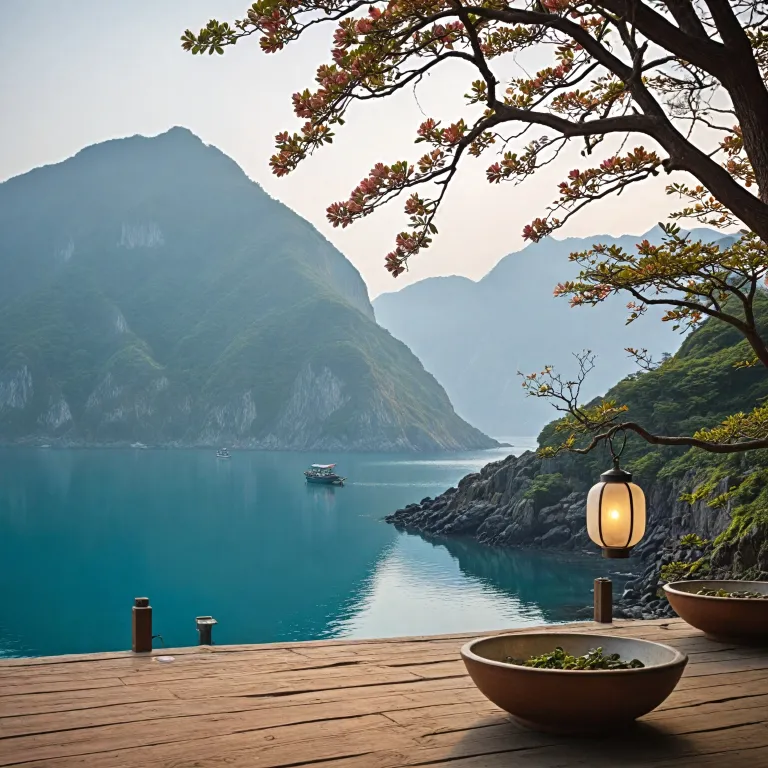
Luxury perspectives on Ulleungdo island in South Korea
Ulleungdo island in South Korea offers a rare blend of raw volcanic drama and refined comfort. For travelers seeking a premium stay on a remote island, the contrast between rugged rocks and polished service feels especially compelling. This balance matters for guests who want authentic Korean character alongside the best amenities and attentive care.
The island sits in the Sea of Japan off the east coast of Korea, yet it remains firmly part of Ulleung county in North Gyeongsang Province. Administratively, Ulleung gun in the wider Gun Gyeongsangbuk region manages infrastructure, tourism, and environmental protection, which directly shapes high end hotel development. Luxury travelers benefit from these policies, because they support stable electricity, cleaner air, and quieter surroundings even during the top holiday periods in South Korea.
Most visitors arrive by ferry at Dodong harbor, the main port on Ulleung island and the liveliest settlement on Ulleungdo island. The crossing takes hours from mainland ports, and the time at sea can trigger sea sickness for some passengers, especially when the sea between Korea and Japan is rough. Planning your schedule around calmer departures and reserving premium seats on the ferry will significantly improve comfort before you even reach Dodong.
From Dodong, the road curves along the haengnam coastal path, revealing sweeping views of the sea and the dark volcanic rocks that made this remote island famous. Luxury hotels and premium guesthouses cluster mainly around Dodong and Jeodong, with a few properties near Jeodong port for guests who prefer quieter evenings. These locations offer fast access to the cable car, sea excursions, and guided trips toward Dokdo island and the Liancourt Rocks area.
Arriving by ferry and timing your premium stay
Reaching Ulleungdo island in South Korea requires more planning than a typical city break. Ferries link the island with the south and east coasts of Korea, usually from ports such as Pohang, Mukho, or Hupo, and each route takes hours depending on the vessel and sea conditions. Because the crossing can last several hours, travelers prone to sea sickness should select larger ships, mid day departures, and seats near the vessel’s center for greater stability.
Arrival usually happens at Dodong port or Jeodong port, both located on the south side of Ulleung island and only a few minutes apart by car. Dodong jeodong form a continuous coastal strip, so luxury transfers can easily shuttle guests between the two areas and their respective hotels. Many premium properties coordinate with ferry schedules, arranging private pick ups at Dodong harbor to minimize waiting time and protect guests from wind and spray.
Seasonal timing is crucial for travelers seeking the best balance between comfort and crowd levels. During major Korean holidays, such as Chuseok, Ulleungdo island and nearby Ulleung county receive a surge of visitors, and ferries sell out weeks in advance. At peak times, the port areas feel lively rather than chaotic, but discerning guests should still secure priority boarding, flexible tickets, and confirmed hotel reservations before finalizing other plans.
Outside the busiest periods, the island’s remote character becomes more apparent, and the sea around Korea and the Sea of Japan feels almost meditative. Fewer ferries operate, yet the quieter schedule suits travelers who value privacy and slower time. When planning, remember that weather can delay departures by several hours or even a full day, so build a buffer night into your itinerary on both the mainland and Ulleungdo.
Choosing the best luxury base between Dodong and Jeodong
For most visitors, the key decision on Ulleungdo island in South Korea is whether to stay near Dodong or Jeodong. Dodong offers the liveliest atmosphere, with restaurants, cafés, and sea star themed souvenir shops that celebrate the marine life of this Korean island. Jeodong, centered around Jeodong port, feels slightly quieter, yet still provides easy access to ferries, coastal walks, and premium stays with expansive sea views.
Dodong harbor is the main gateway, so many high end hotels cluster within minutes of the port to simplify arrivals and departures. Guests can step off the ferry, meet a private driver, and reach their room in less than ten minutes, which is especially welcome after a long crossing that may have caused mild sea sickness. Properties here often emphasize panoramic views of the sea, the surrounding rocks, and the haengnam coastal trail that begins near the village edge.
Jeodong offers a different rhythm, with fishing boats, squid drying racks, and quieter streets that appeal to travelers seeking a more local Korean ambiance. Premium accommodations in Jeodong balance working harbor scenes with refined interiors, so guests can watch squid boats depart at night while enjoying modern comforts. Because Dodong jeodong sit so close together, you can dine in one port and sleep in the other, using short taxi rides to move between the two.
Whichever base you choose, confirm how your hotel handles luggage transfers, late ferry arrivals, and early morning departures. Some properties coordinate directly with Ulleung county services to provide smooth port assistance, while others rely on local taxis that may be limited at certain times. Clarifying these details in advance will ensure your time on Ulleung island feels seamless from the first evening.
Signature experiences for luxury travelers on Ulleung island
Ulleungdo island in South Korea rewards travelers who appreciate nature, gastronomy, and quiet cultural immersion. One of the top experiences is riding the cable car from the south side of the island toward scenic viewpoints that reveal the full curve of Ulleung and the distant outline of Dokdo. On clear days, guests can sometimes glimpse Dokdo island and the Liancourt Rocks rising from the Sea of Japan, framed by deep blue water and dramatic clouds.
Guided coastal drives around this remote island showcase towering cliffs, sea caves, and uniquely shaped rocks that have formed over many years. The haengnam coastal walk near Dodong offers a gentler option, with well maintained paths, railings, and rest spots where you can pause for views of the sea and passing ferry traffic. Luxury hotels often arrange private drivers or small group tours, ensuring that guests enjoy flexible timing and curated photo stops.
Inland, the nari basin presents a striking contrast to the rugged coast, with a broad volcanic caldera that now hosts fields, traditional houses, and quiet walking paths. Premium excursions to nari basin can include farm visits, seasonal tastings, and guided hikes that explain how Ulleung gun and Ulleung county balance agriculture with tourism. Because the basin sits at higher elevation, temperatures can feel cooler, offering a refreshing change from the sunlit south coast.
For guests interested in maritime history, some tours focus on the relationship between Ulleung, Dokdo, and the wider Sea of Japan region. Guides explain how these islands have been referenced for many years, including early records from centuries ago and modern discussions about the Liancourt Rocks. These narratives, combined with refined accommodation and attentive service, create a layered understanding of Korea’s eastern frontier.
Gastronomy, squid culture, and refined dining on the island
Culinary experiences are central to any luxury stay on Ulleungdo island in South Korea. The island’s economy relies heavily on fishing, and squid in particular shapes both daily life and premium dining menus across Dodong and Jeodong. Many restaurants serve squid in multiple forms, from grilled and stir fried to hoe, the Korean style of raw fish that highlights freshness and texture.
High end hotels often collaborate with local fishers, ensuring that squid and other seafood arrive within minutes of landing at Dodong harbor or Jeodong port. This short supply chain supports both quality and sustainability, aligning with Ulleung county initiatives to protect marine resources in the Sea of Japan. Guests can expect tasting menus that pair squid with seasonal vegetables from nari basin, creating a direct link between inland farms and the surrounding sea.
Even casual walks through Dodong jeodong reveal how deeply squid culture is woven into everyday Korean life on this remote island. Rows of squid hang to dry in the sea breeze, while small eateries serve steaming bowls of squid based stews that comfort travelers after the ferry ride that takes hours. Luxury travelers can enjoy these same flavors in more refined settings, with carefully plated dishes and curated drink pairings.
Beyond squid, Ulleung island offers sea star shaped snacks, local herbs, and unique condiments that reflect many years of culinary adaptation to volcanic soil and maritime climate. Some premium properties host cooking demonstrations, allowing guests to learn how to prepare Korean seafood dishes using ingredients sourced directly from the south coast of Ulleung. These experiences transform simple meals into memorable highlights of time spent far from mainland Korea.
Heritage, sustainability, and planning a future focused stay
The story of Ulleungdo island in South Korea stretches back many years, with written references dating to early Korean kingdoms. Over time, the island’s position in the Sea of Japan and its proximity to Dokdo and the Liancourt Rocks have given it strategic and symbolic importance. Today, Ulleung gun and Gun Gyeongsangbuk authorities emphasize both heritage preservation and sustainable development to support residents and visitors.
Approximately 9,191 people live on Ulleung island, forming close knit communities in Dodong, Jeodong, and smaller villages scattered along the south and north coasts. Tourism and fishing remain the main economic pillars, with squid harvesting playing a central role in livelihoods and local identity. “Tourism and fishing, particularly squid harvesting, are primary economic activities.”
Recent initiatives focus on renewable energy, reducing reliance on diesel generators that once powered much of this remote island. Partnerships with organizations such as Korea Electric Power Corporation support cleaner electricity, which benefits luxury hotels that require stable power for climate control, spas, and high end kitchens. Environmentally conscious travelers can look for properties that participate in these programs, aligning their stay with broader sustainability goals in Ulleung county.
When planning your trip, consider how long you will remain on the island, and how many minutes or hours you are comfortable spending on ferries that cross between Korea and Ulleung. Build flexibility into your schedule to accommodate weather related delays, and choose accommodations that offer clear communication about ferry time changes. By respecting the island’s rhythms and supporting responsible operators, you help ensure that Ulleungdo, Dokdo island, and the surrounding sea remain pristine for future generations of discerning guests.
Key statistics for planning a refined stay on Ulleungdo
- Island area of Ulleungdo : approximately 72.86 km² of volcanic terrain.
- Population of Ulleungdo residents : around 9,191 people currently live on the island.
- Highest elevation on Ulleungdo : Seonginbong Peak rises to about 984 meters.
- Tourist volume during a major holiday period : over 13,000 visitors arrived during a recent Chuseok.
Essential questions about Ulleungdo for luxury and premium travelers
What is the main economic activity on Ulleungdo ?
The main economic activity on Ulleungdo combines tourism and fishing, with squid harvesting particularly important for local income. Luxury and premium hotel guests directly support this economy by booking guided excursions, dining in seafood focused restaurants, and purchasing responsibly sourced products. This connection between visitors and residents helps maintain services, infrastructure, and cultural vitality across Dodong, Jeodong, and smaller settlements.
How can one travel to Ulleungdo ?
Travelers reach Ulleungdo by ferry from several mainland ports in South Korea, most commonly Pohang, Mukho, or Hupo on the east coast. The journey takes hours depending on the route and vessel, so premium travelers often choose higher class seating and schedule crossings during calmer sea conditions. Upon arrival at Dodong harbor or Jeodong port, pre arranged transfers from luxury hotels ensure a smooth transition from ship to suite.
What are popular tourist activities on Ulleungdo ?
Popular activities on Ulleungdo include hiking coastal and mountain trails, fishing, and enjoying local seafood dishes such as squid and hoe. Many guests ride the cable car for expansive views, explore the haengnam coastal path, or visit nari basin for a quieter inland landscape. Luxury travelers can elevate these experiences with private guides, tailored itineraries, and curated dining that highlight the best of this remote Korean island.